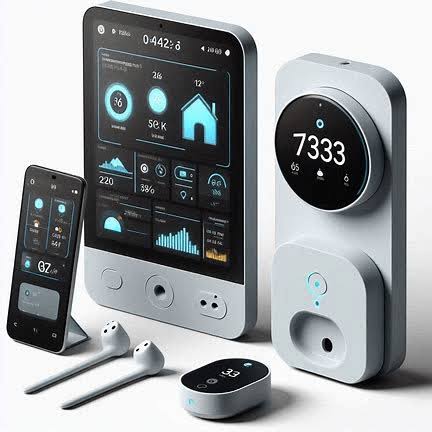
A device about the size of a deck of playing cards is giving homeowners a real-time, room-by-room picture of their electricity use, and it clips onto the outside of the breaker panel rather than requiring rewiring. The best-known example, Emporia Energy’s Vue monitor, reads how much power each circuit in a home is drawing and sends that data to a smartphone app, breaking down consumption by appliance rather than showing only a single monthly total.
How the Panel Clip Actually Works
According to Emporia’s own explanation of its Vue Utility Connect system, sensors attach to the main breaker and to individual circuits inside the panel, then transmit usage data wirelessly to the company’s app. Homeowners can watch, in close to real time, which circuit is drawing power at any given moment, whether that’s a water heater cycling on or a window air conditioner running through a hot afternoon. Because the device measures at the circuit level rather than only at the meter, it can attribute a spike in usage to a specific appliance instead of leaving the whole house lumped into one number.
An independent look at the hardware, Brainstamped’s 2026 review of the Emporia Vue 3, describes a similar appeal from a user’s perspective: the payoff comes less from any one reading and more from the pattern that builds over days and weeks, once the app has gathered enough data to show which circuits are consistently the biggest draws in a given household.
Utilities Are Already Plugged In
A product listing for the device shows that it’s built to connect directly with a number of named utility programs, including PG&E, Southern California Edison, PPL, First Energy, Ohio Edison, Burlington Electric, and Green Mountain Power. For customers of those utilities, that integration can mean the monitor’s data lines up with the same billing cycle and rate structure the utility already uses, rather than existing as a separate, disconnected number on a phone screen.
The Real Change Is Behavioral, Not Dramatic
For households using these monitors, small, repeated observations tend to matter more than any single dramatic discovery. Once a family can see that a particular circuit habitually pulls more power than the rest, in something like an aging refrigerator or a space heater, the appliance stops being an abstract line on a bill and becomes something they can act on: replace it or run it at a different time of day. That kind of visibility doesn’t require constant checking of the app to have an effect. For many households, a few weeks of paying attention is enough to change how one specific appliance gets used going forward, without turning the electric bill into a nightly source of tension.
Circuit-level monitors like the Vue remain a niche purchase compared with smart thermostats or video doorbells, but the fact that a handful of established utilities are willing to build direct support for one is a sign that granular, device-by-device energy data is moving from a hobbyist curiosity toward something utilities themselves see value in offering their customers.
Leave a Reply