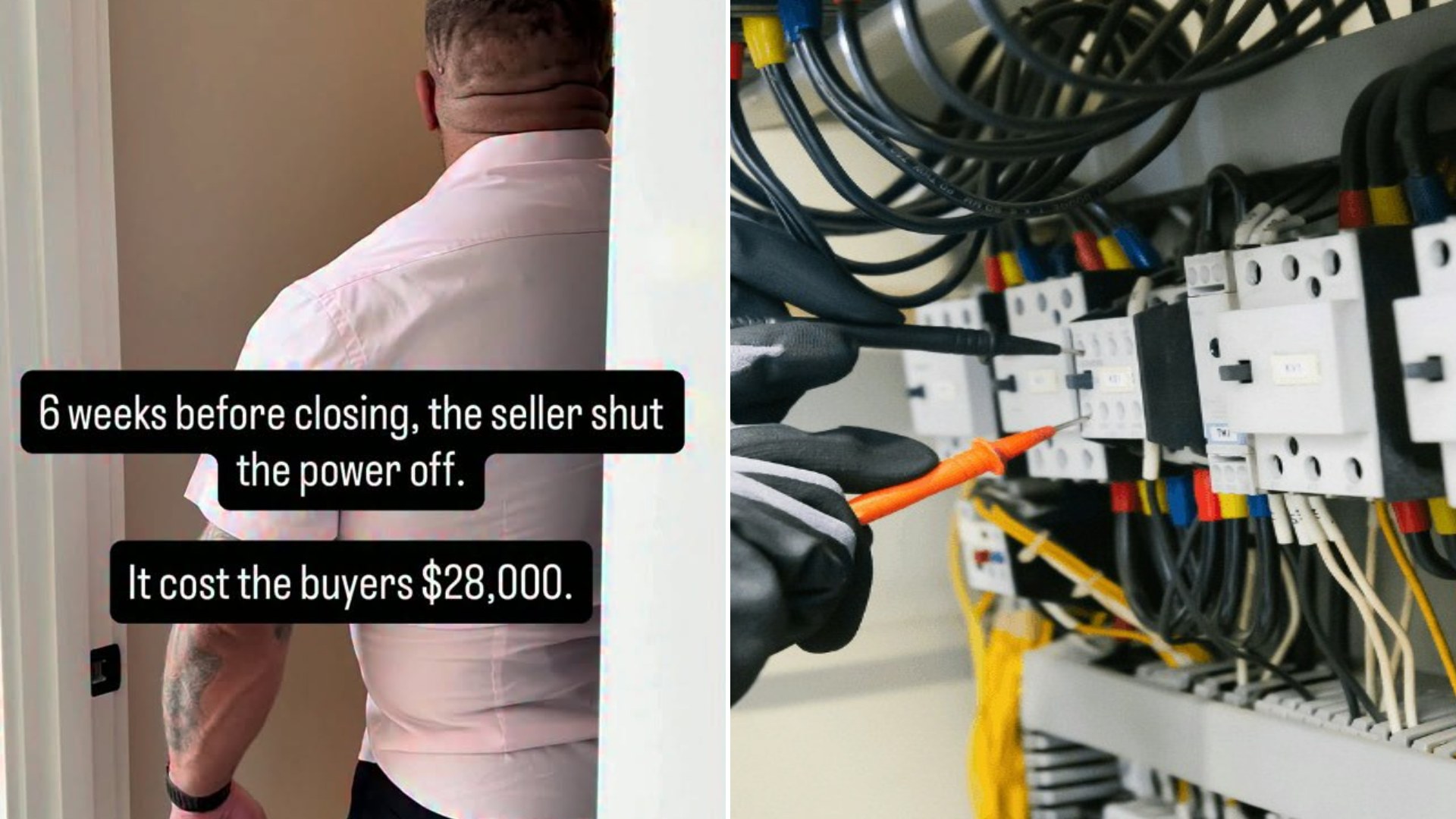
Few home-content niches carry the same quiet tension as the home inspection reveal, and @therealmikenovak delivers a particularly striking example with an Instagram post documenting critical safety defects found inside a newly built house, the kind of discovery that undercuts the usual assumption that “new” automatically means “safe.”
There’s a deeply ingrained belief among buyers that new construction sidesteps the hidden problems associated with older homes, no decades of wear, no mystery renovations by unknown previous owners, no aging systems quietly failing. Videos like this one chip away at that assumption by showing that a brand-new build can carry its own serious, sometimes dangerous, shortcuts.
Home inspectors occupy a unique position in the real estate process, the one party in a transaction whose job is explicitly to find problems rather than sell a vision. That adversarial-to-the-sale role is exactly what makes their content so credible to audiences who are otherwise bombarded with real estate marketing designed to make every property look flawless.
Critical safety defects, the kind that go beyond cosmetic flaws into genuine hazards, carry a different weight than the usual inspection nitpicks about caulking or paint touch-ups. When a video frames an issue as a safety matter rather than a minor imperfection, it taps into a more primal concern: is this house actually going to protect the people living inside it.
New construction has expanded rapidly in many markets over the past several years, often built on compressed timelines with subcontractor crews juggling multiple projects at once. That pace, while good for housing supply, creates real conditions for things to get missed or rushed, and inspectors are often the last line of defense before those gaps become somebody’s lived experience.
This kind of content also serves an important consumer-education function that the home-buying process doesn’t always provide on its own. Many buyers assume a certificate of occupancy or a builder’s warranty means a house has been thoroughly vetted, when in practice those processes can vary widely in rigor depending on jurisdiction and builder.
There’s a broader trust question embedded here too, about the relationship between builders, municipal inspectors, and the buyers who ultimately live with the results. A third-party inspector catching defects that slipped through official channels raises uncomfortable but necessary questions about where the gaps in that system actually are.
Audiences responding to this kind of post often arrive with their own stories, friends or family who moved into a new build only to discover problems months or years later, which reinforces why content like this spreads so readily. It validates a suspicion a lot of people already carry quietly: that new doesn’t automatically mean problem-free.
There’s also a practical takeaway buried in the drama, that even a newly built home benefits enormously from an independent inspection before closing, a step some buyers skip specifically because they assume new construction doesn’t need the scrutiny that an older home would.
It’s worth noting how this kind of content shifts the burden of proof in a buyer’s favor, giving ordinary homeowners language and specific examples to bring to their own inspections rather than relying purely on trust in the process.
Builders operating under tight deadlines and thin margins don’t always set out to cut corners, but the pressure of overlapping subcontractor schedules creates real opportunities for details to slip through unnoticed until an inspector’s trained eye catches them.
There’s also a consumer-protection angle here that extends beyond any single buyer, since public documentation of recurring defect patterns can pressure builders and municipalities alike to tighten the processes that are supposed to catch these issues before a family ever moves in.
In the end, the enduring value of this kind of post is the permission it gives buyers to trust their own unease, to ask for a second opinion, and to treat a new build with the same scrutiny they’d apply to a century-old house.
It’s also a reminder that the inspection itself is only as valuable as the inspector’s willingness to flag uncomfortable findings rather than smooth them over to keep a transaction moving forward on schedule.
That willingness to risk friction with a builder or seller in service of the buyer’s safety is, in many ways, the entire value proposition of hiring an independent inspector in the first place.
There’s also a quiet argument here for standardizing inspection requirements even for brand-new builds, since the assumption that new construction needs less scrutiny than older housing stock doesn’t hold up against the kinds of defects inspectors like this one keep finding.
For buyers currently shopping new construction, this kind of post serves as a useful nudge to budget for an independent inspection as a non-negotiable line item, rather than an optional extra easily skipped to save a few hundred dollars.
What makes this kind of documentation so valuable, ultimately, is how it shifts the entire conversation around new construction from blind trust to informed scrutiny, arming future buyers with the knowledge that a fresh coat of paint has never been a reliable substitute for a careful, professional set of eyes.
In the end, the lasting value of a post like this isn’t the specific defects found in one particular house. It’s the reminder that safety in a home is never something to take on faith, regardless of how fresh the paint or how new the appliances look, and that a careful inspector’s eye remains one of the few genuinely reliable safeguards a buyer has.
Leave a Reply