Home inspector Jordan pulled up to a brand-new build one morning, and the client pulled in right behind him. The man climbed out of his truck and said, “Hey, Jordan, my wife found you on social media. She says you’re pretty thorough.”
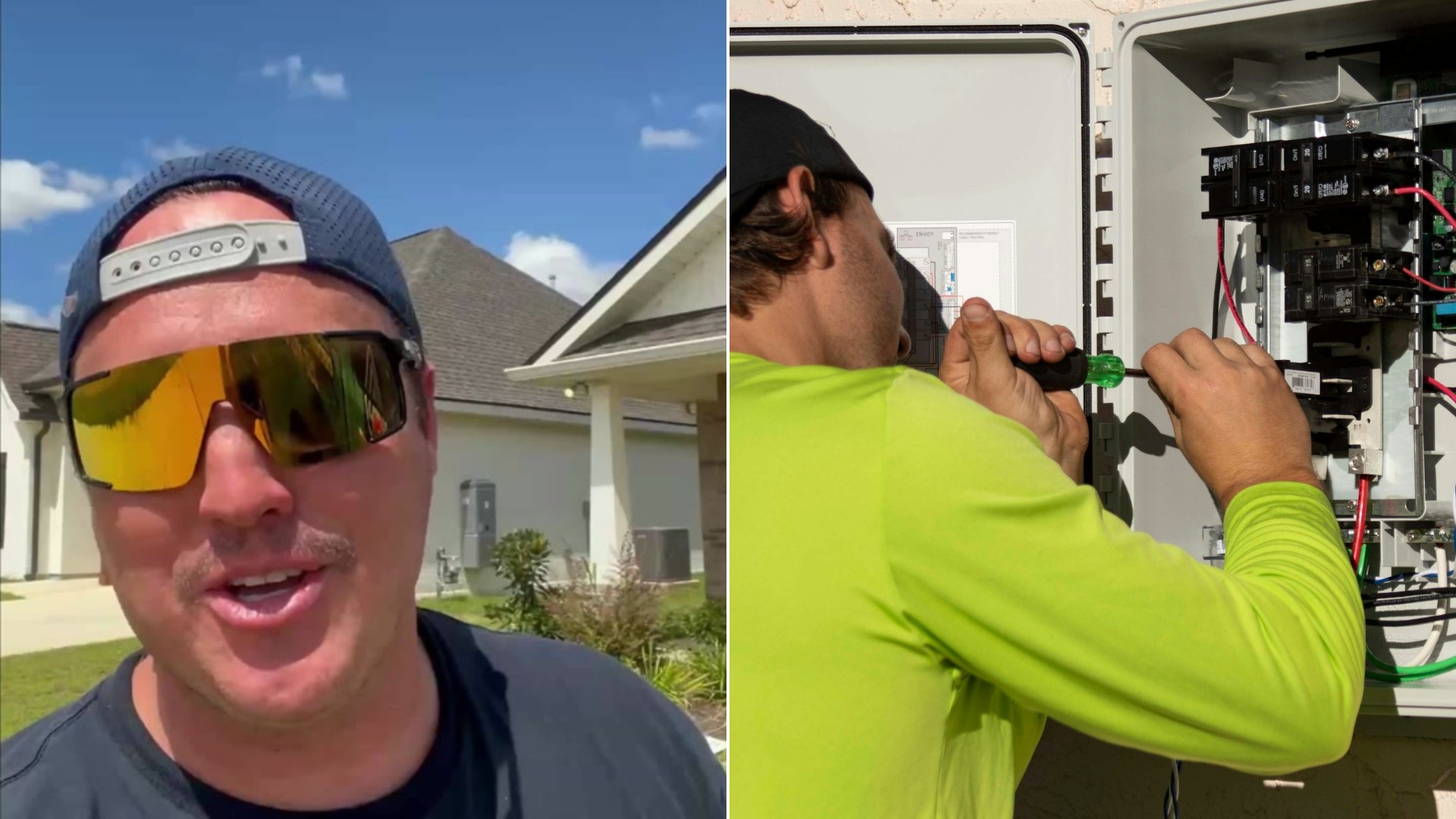
Jordan has heard that one before. “Let’s have some fun,” he said, and the walk-through began.
The story comes from @inspector.jordan, who posted a quick tour of what he ran into on a house that had never had anyone live in it.
@inspector.jordan
He Starts At The Gas Meter With Nothing But Soapy Water
The first stop was the gas meter. Jordan explains the trick: fill a bottle with soapy water and spray every joint. If you see bubbling, you have a gas leak.
He sprayed the joints and reported good news. No white bubbles, nothing that pointed to a leak. He also noted he checked the water pressure and called the result “like a perfect score.”
Anyone can try the soapy water test with a spray bottle, which is exactly why he likes showing it. At one point he even grumbled that he had forgotten his own spray bottle, a small reminder that even pros leave things in the truck.
“I Don’t See Where This Gas Line Is Bonded” Turns Into The Big Red Flag
Then came the part the client’s wife probably had in mind. Up in the house, Jordan looked at the gas line rising along the wall to the furnace, with the meter sitting on the other side of that outside wall.
“I didn’t see any ground or bonding clamps,” he says. He looked again at the pipe and said the same thing: he could not find where the gas line was bonded. Bonding means the metal gas pipe is tied into the home’s electrical grounding system, which is a standard safety item inspectors look for.
He had a guess about the hidden possibilities. “Maybe it’s inside the wall,” he said, and he planned to ask the builder about it. He moved on to the branches coming off the line, which he figured fed a furnace, a stove and a fireplace.
Whoever Wired The AC Unit “Loves To Spend Money”
Outside, Jordan went hunting for who had wired the air conditioner. His verdict was dry. “This guy loves to spend money.”
The rule he cites is that you need a disconnect within sight of the unit. What he found instead was a junction box, because the installer had put the disconnect somewhere else. As Jordan puts it, they could have skipped all of that and gone straight to the panel.
It is the kind of shortcut that costs more than it saves, and it shows up in plenty of new construction.
A Crooked Outlet, A Closet Door That Pushes Open, And Doors That Will Not Stay Put
The rest of the tour was a pile of small annoyances. One outlet cover was crooked until Jordan straightened it. All the lights worked except in one bedroom closet.
The closet door had a quirk too. Jordan jokes that you do not need the doorknob at all, you just push it open and find your clothes.
Out back, he pointed at gaps where he said the snakes and spiders could get into the house. One window latched and another would not latch at all, and the screen looked damaged. In his words, it was “not really keeping the bugs out, either.”
One door was so stubborn that two door stoppers could not handle it. A second one he thought was busted. By the end he decided they would need three door stoppers.
The Outlet That Opens Straight Onto The Wires
The one that made Jordan shake his head came next. He opened up an outlet and found an opening to the wires behind it. His reaction was short and clear: “That’s not cool.”
It is the kind of thing a homeowner would never spot, since the cover looks fine from the room. An open back on an electrical box is a safety issue because it leaves wiring exposed.
He also logged a hose bib he said would not get inspected that day, and a condensate line that would drip a good six months out of the year. He did not want all that water sitting against the house. His suggestion was simple: extend the line out a little bit.
What Buyers Of A New Build Can Take From This
A brand-new house feels like it should be perfect. Jordan’s video is a reminder that new does not mean finished or correct. Plenty of buyers skip an independent inspection on new builds because the builder has its own walk-through, but a separate set of eyes works for you alone.
- Hire your own inspector before closing, and ask whether the gas line is bonded and whether every outlet box is closed up.
- Test every door, window and latch yourself. Jordan found several that would not close or stay shut.
- Look at where water drains. A condensate line dripping against the foundation is an easy fix now and a headache later.
- Write everything down and send the list to the builder in writing so repairs can be tracked.
The soapy water trick is also worth keeping for older homes. If you smell gas, though, do not play detective. Leave the house and call your gas utility or emergency number from outside.
So Was The Wife Right?
Jordan did not need much time to answer the client’s opening line. By the time he reached the condensate line, he had a long list for the builder, with the unbonded gas line and the open outlet at the top.
The client’s wife told her husband the inspector was pretty thorough. On this build, she looked right.
More Stories You May Like
- Inspector Finds A Dishwasher Hose Chewed Through, Duct Tape Used As A Repair And Mold Growing In The Attic Of A House Loaded With Problems
- This Renter Was Told The Lease Would Not Be Renewed With Only 63 Days Notice Then Discovered The Landlord Overcharged $350 A Month For A Year And Won The Money Back
- Flipper Skipped Inspections On A $135,000 House Then A Shot Sewer Line And Bad Roof Cut The Profit To Just Under $20,000
Leave a Reply