Living beside a neighbor can often feel like a delicate dance; the rhythm of shared space requires communication and understanding. However, when boundaries become blurred, as in the case of one homeowner dealing with an unruly grapevine from her renter neighbor, tensions can swell. For two years, this homeowner felt increasingly frustrated as the neighbor’s grapevine extended its tendrils across her property line. Each time it encroached on her fence, she resorted to a rather unconventional method of resolution: ripping the vine from her fence and tossing it back into her neighbor’s yard. But as the growing season approaches once again, the homeowner is wondering if it’s finally time to address the issue directly.
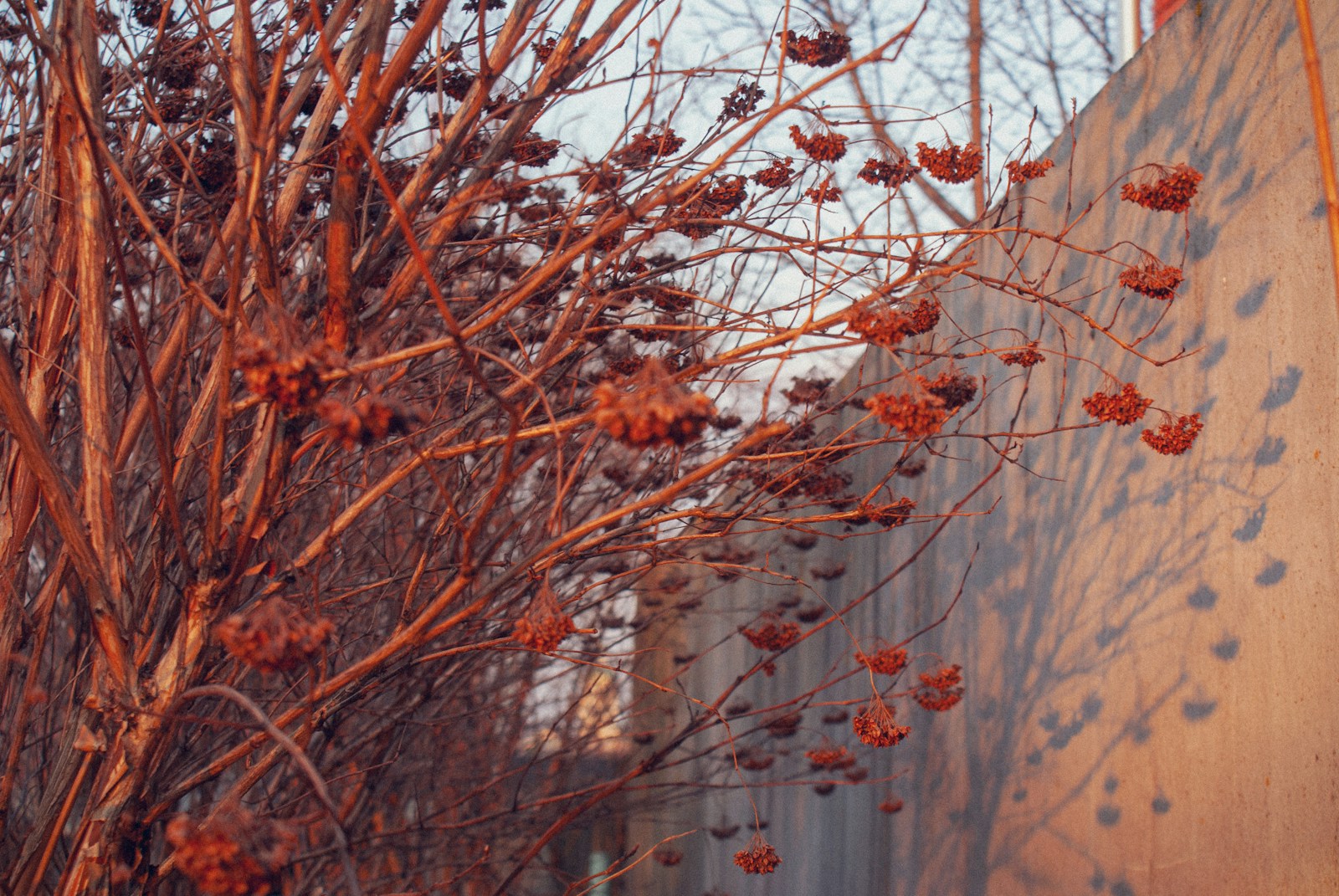
The homeowner’s frustration is understandable. Fences often represent the invisible line between two properties, and when one party feels that line is being crossed, it can lead to conflict. In her case, the grapevine, which should be a symbol of growth and nature, instead becomes a source of irritation and a visual reminder of unresolved neighborly issues. Over the past two years, each instance of trimming the vine has not only contributed to a growing pile of discarded plant material on her neighbor’s lawn but also to an emotional burden of resentment that lingers in the air.
Despite her feelings, the homeowner has refrained from having a conversation with her neighbor, primarily due to a fear of coming off as aggressive or rude. This is a common dilemma that many people face when it comes to confronting neighbors. The idea of approaching someone about their property can be daunting, especially when one values peace and the potential of maintaining a friendly relationship. However, as the homeowner resumes her routine of vine removal, the mounting annoyance begs the question: how can she tactfully address the situation without escalating tensions?
To approach the matter with her neighbor, the homeowner could consider several strategies that emphasize friendly communication rather than confrontation. First and foremost, choosing an appropriate time to have a discussion is crucial. Finding a moment when the neighbor is outside or engaged in yard work could provide an organic opportunity to bring up the topic. A casual approach, such as offering a compliment about his garden before introducing the grapevine issue, could help ease into the conversation.
Another approach could be to frame the conversation in a way that emphasizes mutual respect for property boundaries. The homeowner might start by expressing appreciation for the neighbor’s gardening efforts before gently mentioning how the vine has grown onto her fence and how she would prefer it remain on his side. By presenting the conversation around personal preferences rather than demands, she can help lower any potential defensiveness on the neighbor’s part.
Additionally, the homeowner might consider proposing a compromise, such as suggesting alternate trellis solutions that would allow the neighbor to keep the grapevine while preventing it from encroaching onto her fence. This can transform what could be a contentious issue into a collaborative conversation, fostering goodwill between neighbors. Planting boundaries—both physical and communicative—can create a sense of harmony in shared spaces, and a little creativity in problem-solving can go a long way.
Moreover, maintaining a friendly and calm demeanor during this discussion is key. Should the conversation become heated or uncomfortable, it may be wise for her to take a step back and revisit the topic at a later time. Open dialogue is the bedrock of positive neighborly interactions, and even a simple, friendly request can lead to a more peaceful coexistence. After all, living next to one another should be a partnership of sorts—each party maintaining their space while respecting that of the other.
In the grand scheme of home ownership and neighborly relations, the grapevine scenario serves as a reminder that communication is essential. As the homeowner prepares to confront her neighbor about the vine that has become a source of frustration, it’s clear that addressing the problem directly is the first step toward resolution. By exchanging words instead of vines, she might find a solution that leads to a more pleasant living environment for them both.
More from Willow and Hearth:
Leave a Reply