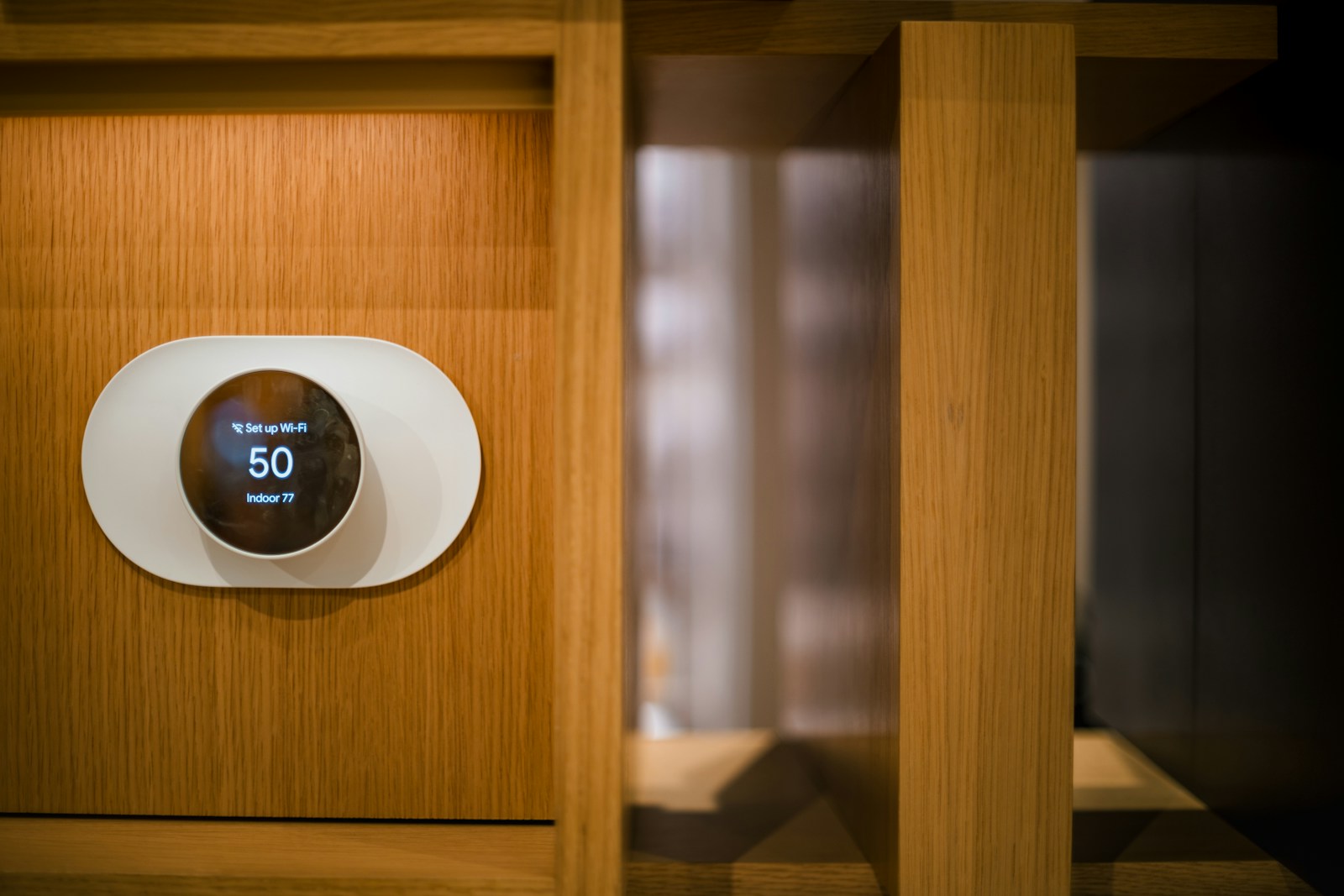
In an increasingly tech-savvy world, many homeowners are eager to customize their homes with modern gadgets that enhance comfort and energy efficiency. Smart home devices, such as Nest thermostats, have gained immense popularity for their convenience and ability to learn user preferences over time. However, not all homeowners realize that customizing their new home with these devices can come with unexpected costs, as illustrated by one recent incident shared in an online discussion.
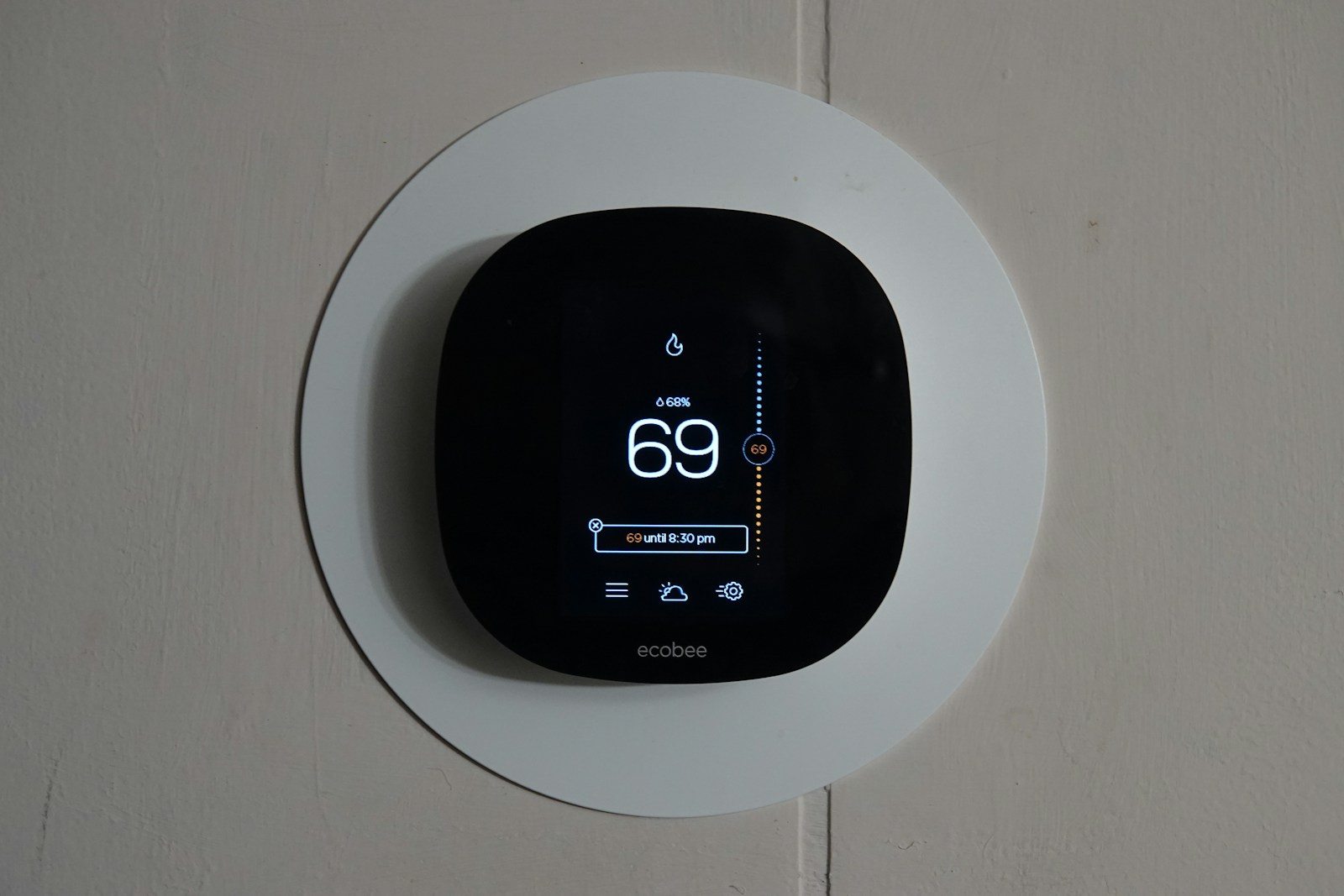
A homeowner currently building a new construction home found themselves in an unusual situation when they inquired about using their own Nest thermostat rather than the standard programmable thermostat included in their construction proposal. Initially, the contractor agreed, leading the homeowner to believe that the simple installation of this smart thermostat would be a straightforward process, especially considering the homeowner’s familiarity with technology. However, the homeowner was taken aback when they received a bill for $250 for the installation of their own device—an amount they hadn’t anticipated.
The homeowner’s frustration stemmed from the perception that the task of installing the Nest thermostat was no more complex than installing a standard model. After all, many people these days are well-acquainted with technology to the point where installing a smart thermostat can be a DIY project. As the homeowner noted, they even took matters into their own hands by scanning the QR code and setting up the app by themselves, leaving them feeling that the contractor’s charge was excessive for what seemed like little more than attaching the thermostat to the wall.
This scenario raises some important questions about transparency in contracts and the importance of communication between contractors and homeowners. While it is certainly typical for contractors to charge for labor, many homeowners expect that adjustments to the project—such as substituting one product for another—will not lead to additional fees unless explicitly stated beforehand. In this case, the homeowner felt blindsided by the unexpected charge, leading to confusion about what is or isn’t included in the scope of work.
Home builders and contractors work tirelessly to create beautiful and functional homes, often going above and beyond to satisfy their clients. However, as this example shows, communication is key to ensuring that everyone is on the same page. Homeowners should feel empowered to ask questions and clarify any details in their construction contracts. Meanwhile, contractors should be clear about additional fees that may arise from customization requests, especially with technology that a homeowner might want to install themselves.
As this story circulated, it sparked a larger conversation about homeowner rights and responsibilities, as well as the ever-blurring lines between DIY culture and professional installation services. Many modern homeowners take pride in their ability to tackle projects independently and may feel annoyed or frustrated by contractor fees that seem unwarranted. Readers and commenters chimed in on the original post, contributing their perspectives on navigating the sometimes murky waters of home construction, customization, and installation fees.
For those building their own homes or planning renovations, it is always wise to thoroughly understand what is included in proposals or contracts and to clarify any areas where there may be ambiguity. Seeking clarification before work begins can empower homeowners to advocate for themselves and avoid unexpected costs. On the other side, contractors can benefit from creating transparent relationships with their clients by clearly outlining potential costs associated with customization or additional requests.
Ultimately, while this homeowner’s experience may seem petty to some, it highlights a common challenge many face in the world of home improvement and construction. It serves as a reminder that both homeowners and contractors can benefit from open lines of communication, especially in a time when technology is swiftly evolving and becoming a staple in our daily lives.
More from Willow and Hearth:
Leave a Reply