He was proud of it. A pop-up drain he buried in his yard had performed really well, and @HomeRapidRepair says the little bubbler was discharging water exactly as intended. His earlier how-to on it did great, too.
Then the comments rolled in. Viewers warned that a lawnmower would suck the thing right up and destroy it.
“Well Guys, It Just Happened” Said The Man Who Then Admitted He Was Joking
He had dismissed the mower worry at first. “I don’t think that would ever happen,” he said. Then he told his audience a lawnmower had just run over the drain, sucked it up and destroyed it.
Seconds later he came clean. In all seriousness, he says, that did not happen. But viewers told him it has happened to them, and he says he believes them.
The Real Worry Was A Winter Blanket Of Snow And Ice
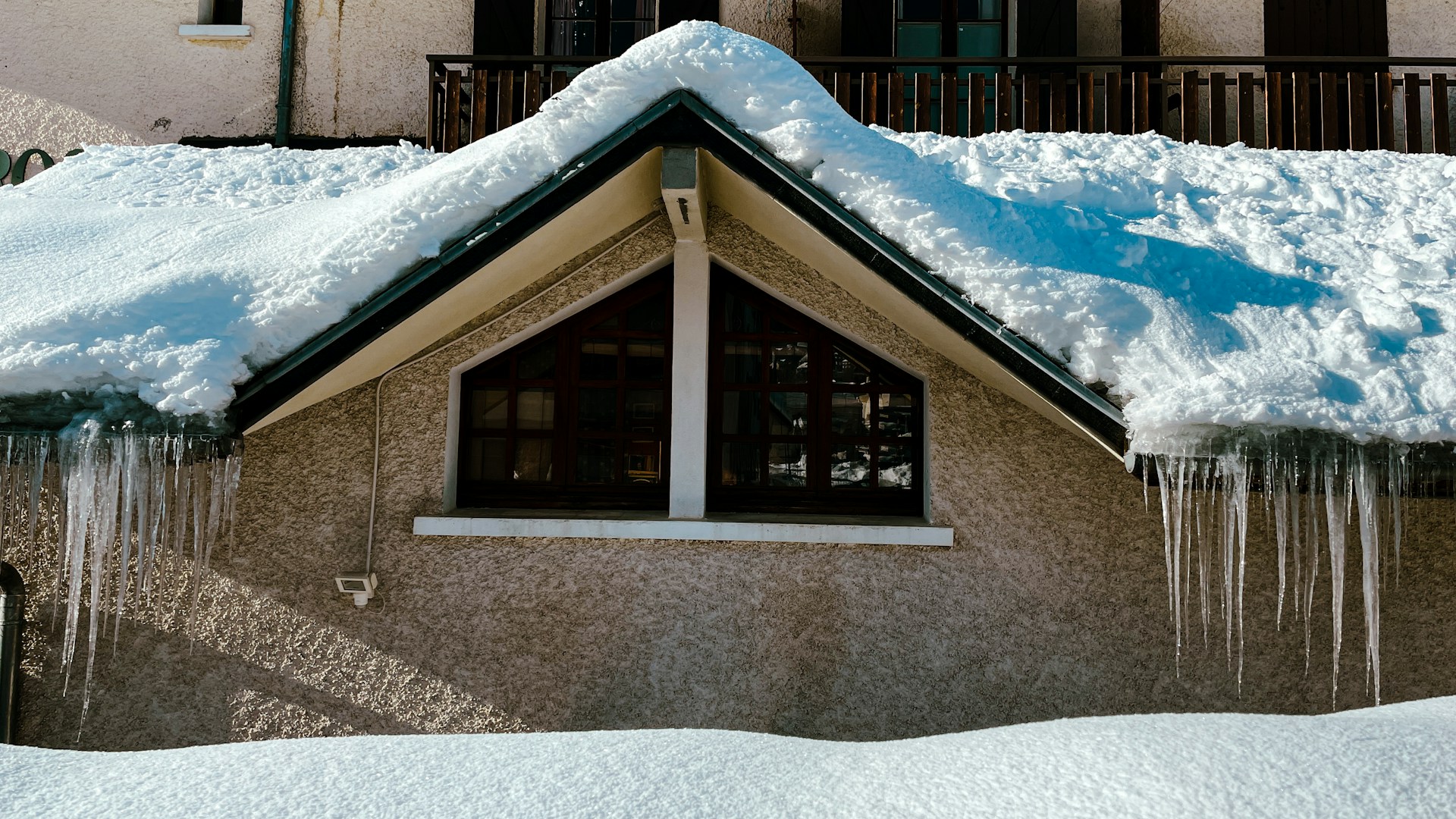
What actually bothered him was the cold. He says he lives in a climate where the snowpack and ice pack will completely cover the bubbler, so it would not be able to lift up and drain. He pointed to standing water sitting in the pop-up as he spoke.
His fear was that in winter the whole thing would freeze over and fail to carry water away from the house. So he decided to replace it with a more common drainage basin.
Out With The Old, In With A Basin That Has A Snap-In Cover
He explains there are a couple of shapes. One is a smaller rounded basin, and there are large square cube ones, depending on how much water you are discharging. He says removing the old drain should be pretty easy.
You can keep a tarp on standby for the dirt you dig out, though he uses his trusted Home Depot bucket. Once the old fitting is exposed, he cuts it off. A handsaw would work, but he grabs a reciprocating saw.
He is not worried about water soaking into the yard here, since the spot is far enough from the foundation. He also reminds viewers that he put drainage stone under the old setup, and he hits it as he digs down.
“No Glue Required” Is The Part He Loves Most
One benefit he calls cool is that this basin, made by NDS, needs no PVC cement or glue. He says it is not sponsored. The connection is a pressure fit, with adjustable tabs inside where the pipe snaps right in.
The inlet is designed for 4-inch or 6-inch pipe, which he says are the most common sewer drain pipes you will find. He has 4-inch pipe, so he shoves the two pieces together and says he can feel it seated as deep as it will go.
He also notes that the cover is easy to remove, and he likes that because it makes cleaning simple. Some versions come with covers that screw down if you worry about them popping off, but he says his is a really tight fit.
To Drill Or Not To Drill The Bottom
He mentions there is some internet debate about why these basins have sealed bottoms. His understanding is that it is for serviceability. He decides to drill some drainage holes anyway, as some people recommend, so water can go straight into the drainage stone below.
He says the holes are optional. Below the basin sits a bed of gravel for yard drainage, and if that gets overwhelmed, the extra water will spill into the yard, which does not worry him at this distance from the house.
Backfill And The Final Cover
With the basin in place, he backfills and pulls in a mound of dirt that had fallen aside. The grill cover snaps in and feels really firm. He is confident the mower will not suck it up, and whenever he needs to service it, he can flip it open and pull out a few dead leaves.
That is the whole swap. No glue, no special tools beyond a saw and a drill, and no worry that a thick sheet of ice will block the outlet like it could with the pop-up.
What Every Homeowner Can Learn From This Swap
You do not need to be a plumber to learn from this. His story is a reminder that a fix that works in July may not work in January, and that listening to people who have tried it before you can save a headache.
- Think about your climate. Where winters bring snow and ice, a drain that must pop up may get stuck shut.
- Pick a basin size to match how much water your downspout sends out.
- Check the pipe size first. A 4-inch or 6-inch inlet suits the most common drain pipes.
- Keep the outlet well away from the foundation, so overflow lands in the yard instead of against the house.
- Choose a cover you can open easily so cleaning out leaves takes a minute.
General rule worth remembering: once fall leaves drop, check every downspout and drain outlet before the first freeze. A few minutes with a gloved hand can keep water moving all winter.
His takeaway is the same one that drives most good home repair. Test it, listen to feedback and fix what does not fit your yard.
More Stories You May Like
- 9 Things Renters Insurance Often Does Not Cover, And The Surprises That Catch Tenants Off Guard After A Storm, A Flood Or A Roommate’s Claim
- 11 Things That Can Quietly Drag Down A Home Appraisal, Including Small Repairs Sellers Ignore Until The Lender’s Appraiser Walks Through
- Before Paying To Apply For An Apartment, Check These 8 Rental Application Fee Rules, Including The States That Cap What Landlords Can Charge
Leave a Reply