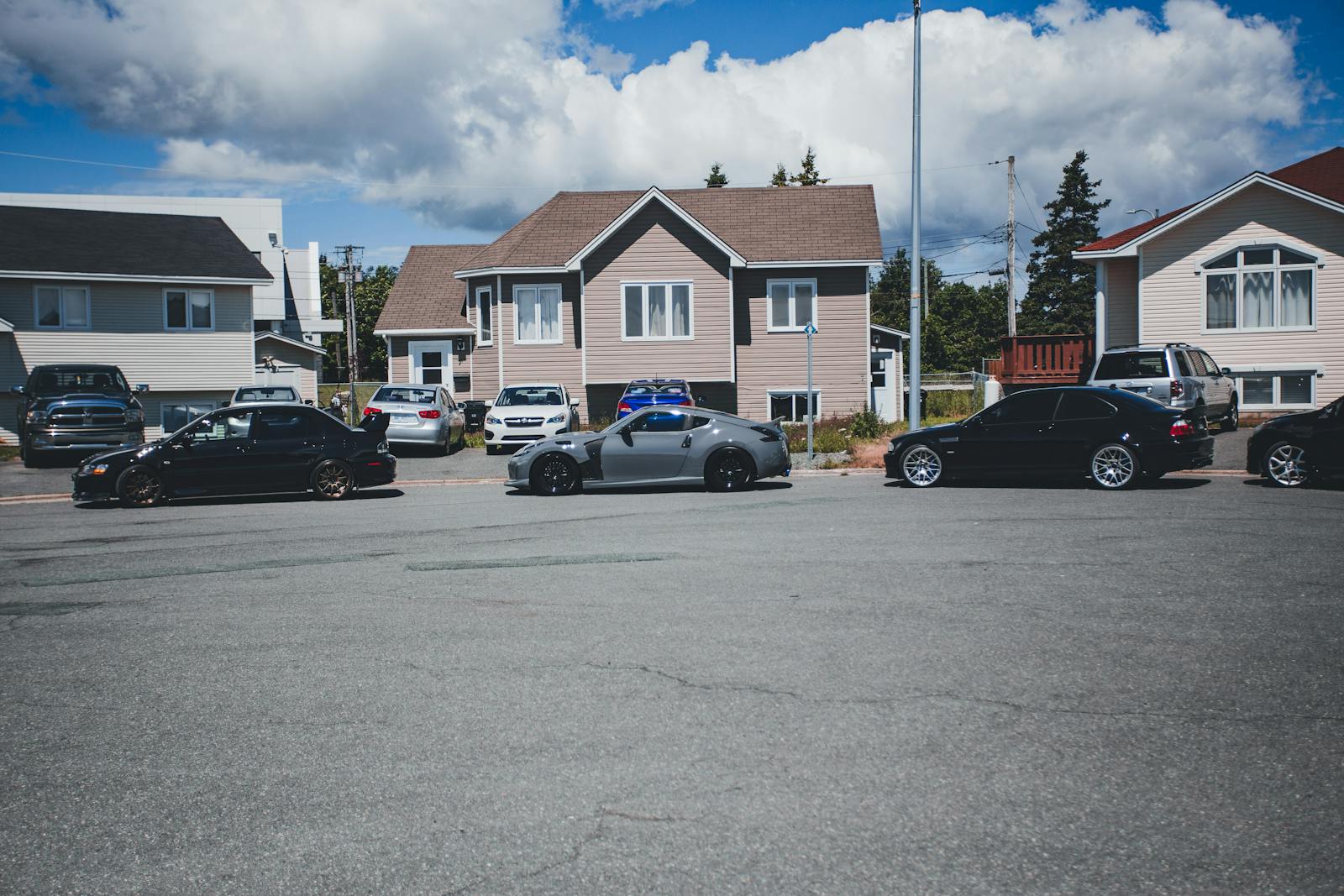
In the charming neighborhood where many residents pride themselves on their sense of community, one homeowner recently took to social media to voice their frustration over a peculiar parking situation. The scenario revolves around their neighbor, who not only has two designated parking spaces but also parks six cars, leaving little room for visitors and creating a logistical nightmare on the street.
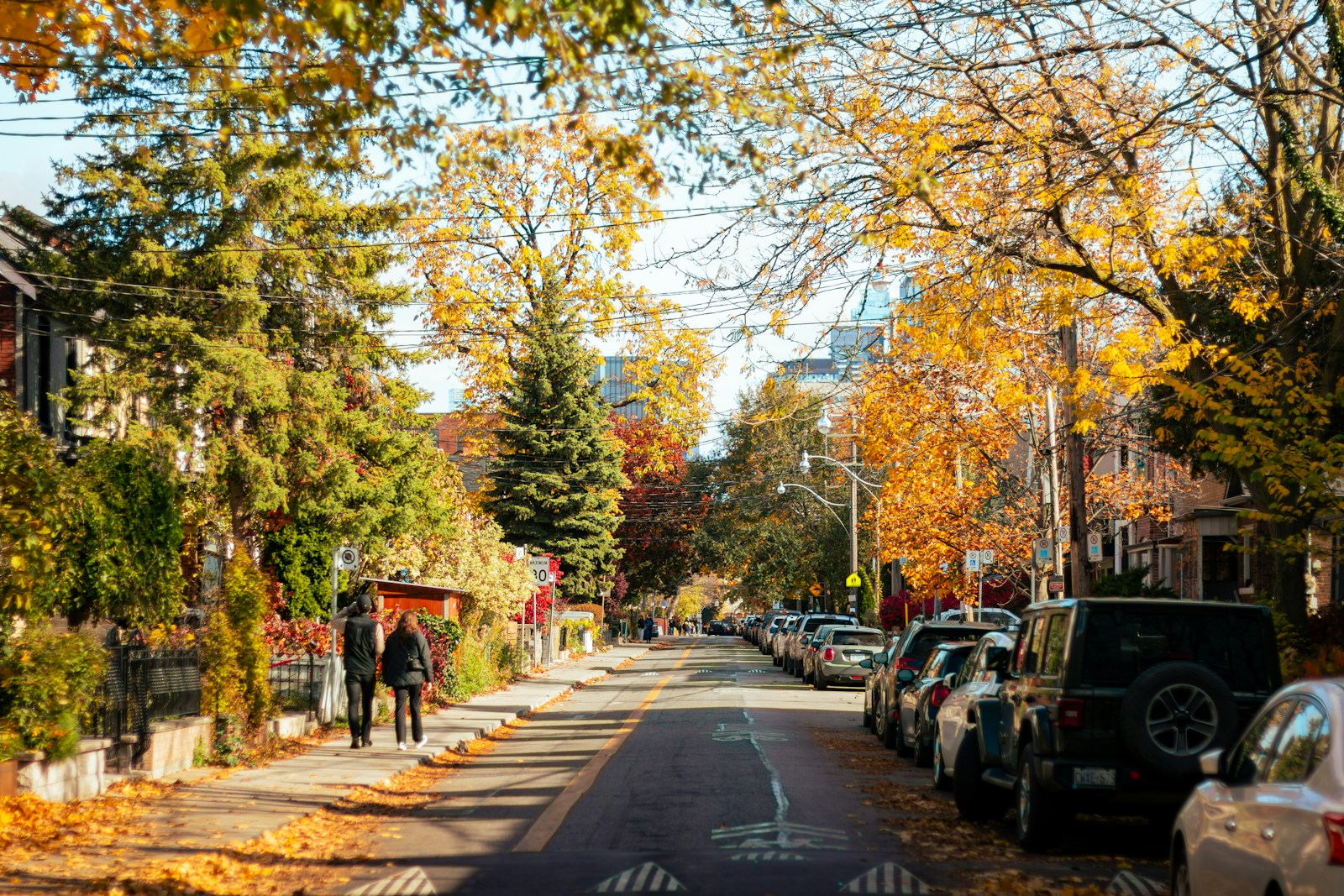
According to the homeowner’s account, only two people appear to live at the residence, yet they seem to have a penchant for collecting vehicles. This has led to a significant inconvenience for the homeowner and others in the community. When guests arrive, they are often compelled to park far down the street, leading to a less-than-ideal situation where visitors have to walk long distances just to reach their destination. The homeowner describes the inconvenience as not just frustrating, but also a safety concern, as parked cars in less visible areas can pose risks for both the vehicles and their owners.
The homeowner’s description reveals a common issue faced by many communities: the balance between personal property rights and community accessibility. While it is perfectly legal for the neighbor to own multiple vehicles and utilize their designated parking spaces, the homeowner feels that the neighbor’s choice to occupy additional visitor spots is inconsiderate to those living nearby. The feeling of being pushed out of one’s own neighborhood can lead to tension and conflict, which is something no resident wants to encounter.
Interestingly, the homeowner questions whether their feelings of annoyance are justified. It’s common for people in shared living spaces to grapple with whether they are being overly sensitive to issues that may seem trivial to others. A significant part of homeownership includes navigating relationships with neighbors, and parking disputes can easily become a recurring theme. Residents value well-kept streets and the ability to have friends or family park near their homes without hassle. When that basic expectation is disrupted, it raises issues that can affect the overall atmosphere of the community.
This situation begs the question: what would anyone do in a similar scenario? Would they approach the neighbor directly to discuss the issue, hoping for an amicable resolution? Or would they seek the support of other residents who may feel similarly inconvenienced? Conflict resolution in neighborhoods can often hinge on how well neighbors communicate, and establishing an open dialogue can sometimes ease tensions before they escalate.
Beyond the frustration of limited parking, there’s also a broader impact that this issue can have on community relationships. Residents might start to feel resentment or animosity towards one another, which can create divides within the neighborhood. Efforts to maintain a friendly atmosphere can be hindered when one neighbor’s actions affect the daily lives of others. The importance of understanding one another’s challenges cannot be understated, as it lays the foundation for a more harmonious living environment.
While the concept of neighborhood parking policies varies by location, many communities utilize guidelines to regulate how on-street parking is utilized. Some areas have implemented restrictions on the number of vehicles that residents can own based on their property size or designated parking spots. However, enforcing such regulations can be tricky, especially in neighborhoods where cars are often associated with personal freedom and autonomy.
In many ways, the story of this homeowner sheds light on the complex dance of neighborly coexistence. It shows how matters of personal choice—like owning multiple cars—can ripple through a community, affecting the daily experiences of everyone in the vicinity. It serves as a reminder that while people value their independence, the more significant goal often lies in creating a space where everyone can feel welcome and at ease in their own homes.
As the homeowner weighs their options for addressing the parking situation, they may find solace in knowing they are not alone in their frustrations. Parking disputes are a common theme across many neighborhoods, and they illustrate the ongoing need for communication and understanding among residents. Whether through direct dialogue, neighborhood meetings, or even communal solutions, finding a way to address these concerns can help alleviate some of the strain felt by residents.
More from Willow and Hearth:
Leave a Reply