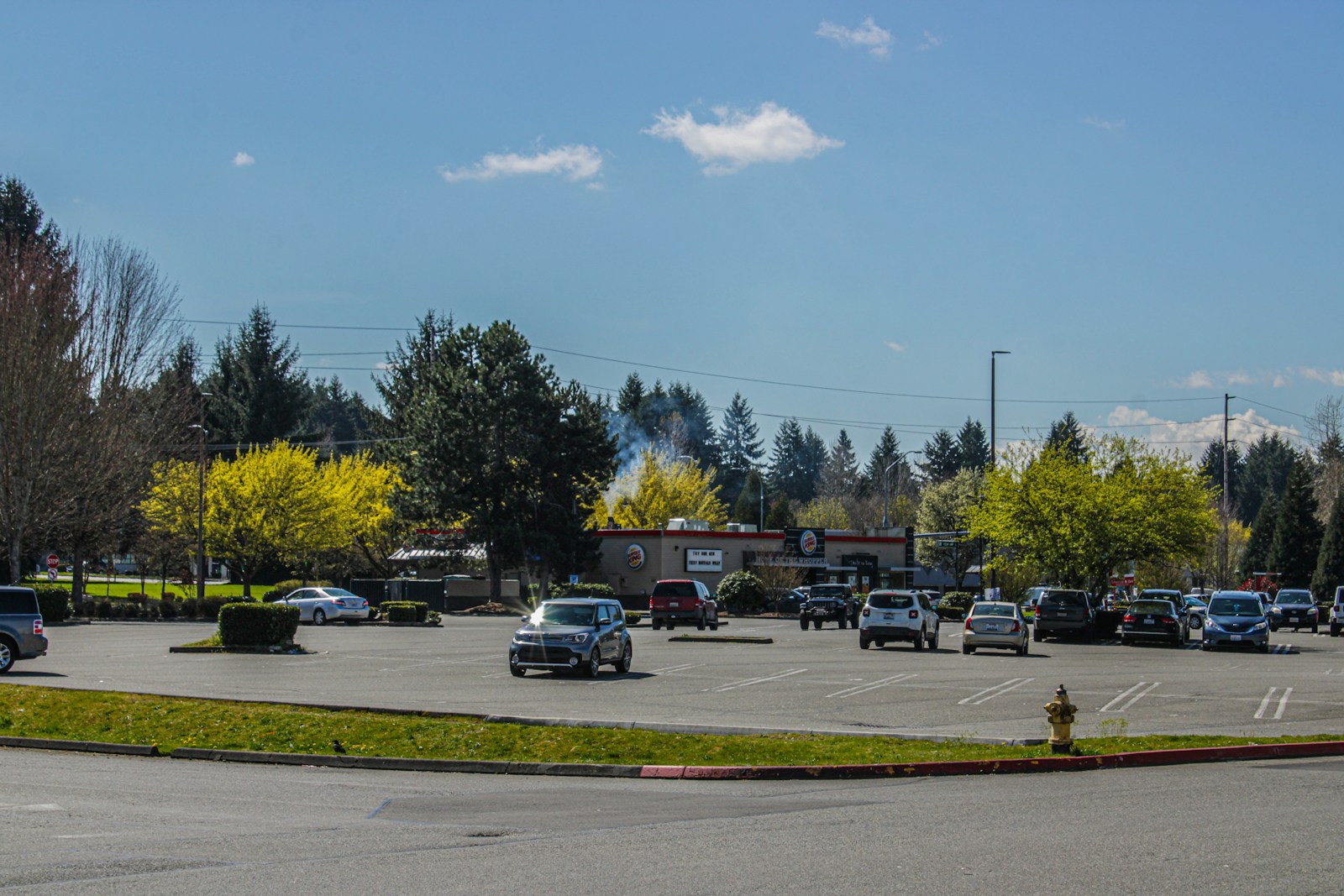
In neighborhoods across America, the dynamics of community living often come down to the quality of the neighbors next door. For one unfortunate homeowner, the peace and serenity of their once-beautiful property have been irrevocably altered by the arrival of a particularly troublesome neighbor. This turbulent tale centers around a lot that, until recently, was a cherished piece of green space, only to become a chaotic hub of noise and frustration after the new owner took possession.
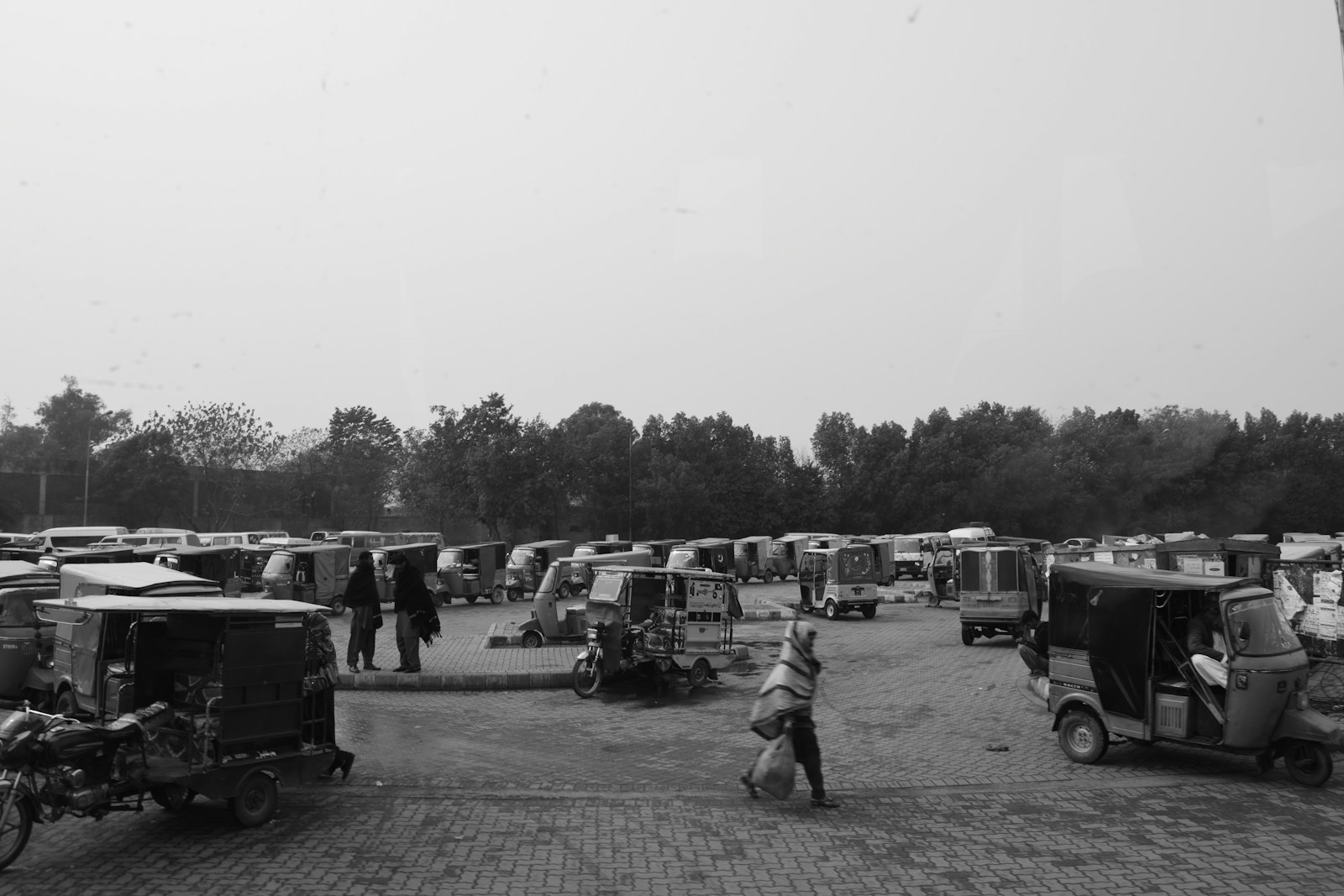
The homeowner, who wishes to remain anonymous, describes the land as a picturesque setting that formed the backdrop to their tranquil lifestyle. The lot next door was an immaculate area, filled with the vibrant sounds of nature—a far cry from what it has become. According to the homeowner, the moment the new occupant moved in, the quietude was replaced with what can only be described as a “full-time dumping ground” for an assortment of food trucks and trailers. These mobile businesses have taken over the space, leaving the homeowner grappling with noise, unsightly views, and the overwhelming presence of fast food culture.
What used to be a serene escape where children played and neighbors gathered for evening chats has quickly devolved into a scene of disorder. The homeowner recounted their experience, noting how the food trucks arrived early in the morning, their engines rumbling to life, and their generators humming loudly throughout the day. The air that once carried the gentle rustling of leaves is now filled with the clattering of cookware and boisterous conversations among food vendors and patrons alike.
But the noise isn’t the only issue plaguing the homeowner. Alongside the food trucks came the so-called “MAGA grievance energy,” a term coined by the homeowner to describe the politically charged atmosphere that seems to accompany the new neighbor. Whether intentionally or not, the presence of this energy has transformed the lot into a gathering place for rallies, discussions, and events that center on complaints and grievances that echo right from the political arena. It is a far cry from the peaceful neighborhood the homeowner once knew.
This shift in the neighborhood’s character has led to a mounting sense of frustration. The once-friendly interactions with neighbors have turned into awkward confrontations as the clash of lifestyles becomes increasingly apparent. Where there were previously warm exchanges over the fence, there are now uncomfortable silences interrupted only by the sounds of trays being cleared and voices raised in political debate.
The homeowner has attempted to address these changes amicably, reaching out to the new neighbor in hopes of finding a compromise that would restore some semblance of harmony to the once-quiet block. However, their efforts have been met with resistance. The new neighbor appears to be unapologetic, embracing their new lifestyle and inviting others to partake in the bustling activity surrounding their lot. This has left the homeowner feeling increasingly isolated in a neighborhood that was once a source of comfort and camaraderie.
As the situation escalates, the homeowner finds themselves at a crossroads. They wonder how much longer they can endure the noise and the constant flow of people invading their space. The thought of moving weighs heavily on their mind, yet the emotional ties to their home make such a decision difficult. After all, this is not just a house; it is a sanctuary that now feels invaded by an unwelcome tide of activity.
For many, living in a community means navigating the delicate balance of coexistence. However, when new dynamics disrupt the established order, it can create a rift that feels insurmountable. The homeowner’s plight sheds light on the often unspoken challenges of neighborly relationships, particularly when lifestyle differences collide.
While there may not be a quick resolution to their troubles, the homeowner continues to seek a way to reclaim the peace of their home. Whether through direct dialogue, local community boards, or simply adapting to the new reality, they remain hopeful that the neighborhood can return to its former tranquility. Until then, they are left to navigate a situation that has turned their little slice of paradise into a source of discontent.
More from Willow and Hearth:
Leave a Reply