
In the quiet suburbs where neighbors often exchange casual greetings and kids play in the streets until dark, one homeowner found herself at the end of her tether. The disturbances from her neighbor’s children had become a nightly occurrence, with the lively sounds of laughter and play often going late into the night. Though the neighborhood may have been meant for peaceful living, this family’s late-night antics were pushing the boundaries of neighborly tolerance.
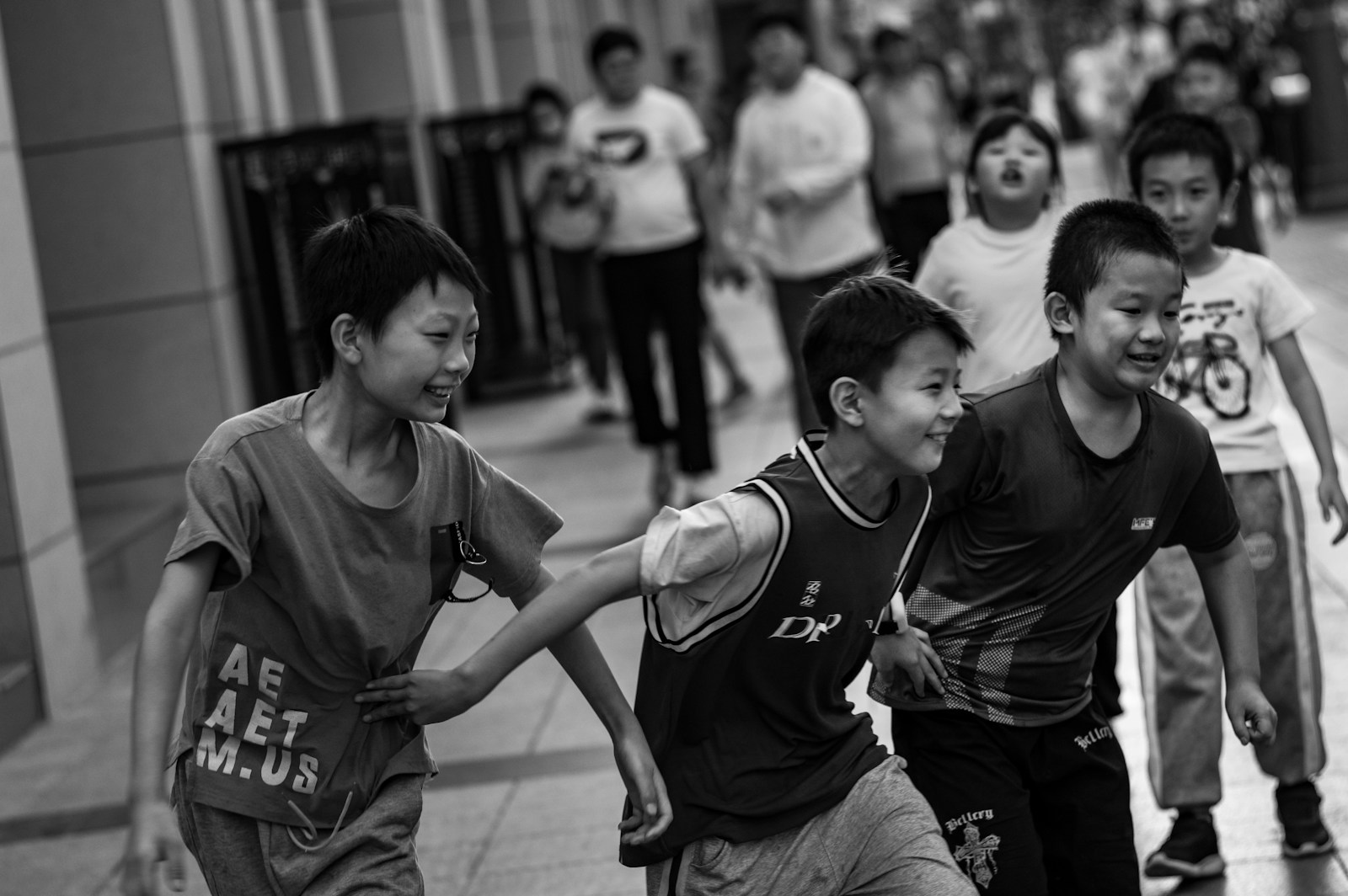
For years, tensions simmered beneath the surface. The homeowner’s sister had long been frustrated by the loud antics of the neighbor’s children. As the clock struck 10 PM, the kids treated the late hour like it was still afternoon recess. Ignoring the quiet hours that many taken for granted, the children continued to play, their joyful noises ricocheting into the late evening. Finally fed up, the sister decided enough was enough. She ventured outside to confront the kids directly, urging them to turn down the volume.
But what started as a simple request quickly escalated into a heated confrontation with the children’s father. He appeared defensive, claiming that her complaints were baseless and arguing that it was simply “children being children.” The sister, caught in the crossfire, found herself embroiled in a shouting match with the father, whose bravado seemed amplified by the presence of a guest in his home. The atmosphere turned tense as accusations were hurled back and forth, revealing deep-seated frustrations that had likely been building for years.
As the argument reached a fever pitch, the father resorted to blaming the homeowner’s cat for the nighttime disturbances, a move that surprised everyone. It seemed he was grasping at straws to deflect blame. The confrontation ended with a door slam, but the story didn’t conclude there. The next morning, the father approached the homeowner’s mother, who was outside sweeping the porch. He reiterated his stance, claiming that all the ruckus had occurred an hour earlier, at 9 PM.
Unbeknownst to him, the homeowner had a secret weapon: CCTV footage timestamped to the minute. Captured on camera was not only the confrontation but also the raucous noise of children playing, all occurring at 10 PM, right when it was supposed to be quiet. This evidence was the turning point in the ongoing saga. The father’s attempts to portray the situation in a favorable light to his boss, who had been visiting during the altercation, crumbled when faced with undeniable proof.
With a knowing look, the homeowner’s mother pointed out the CCTV footage to the father, who was visibly taken aback. His bravado quickly faded as the reality of the situation set in. The mother, having observed the neighbor’s household dynamics over the years while staying with her daughter, used her experience to address the issue head-on. She articulated that the father’s children had indeed been loud, particularly when he was not home, and suggested that maybe it was time for him to take a more active role in instilling respect for the quiet hours.
Feeling cornered yet defiant, the father requested an apology, expecting the sister to acknowledge his grievances as well. However, the homeowner found irony in his demands, especially given that he had daughters himself and had been unreasonably loud toward another daughter the night before. From that day forward, the neighbor made a conscious effort to keep his children indoors during the late hours, demonstrating a newfound awareness of the neighborhood’s shared space.
Since that tumultuous night, interactions between the two families have grown cold. While the homeowner would have been fine with the children playing outside before 10 PM, the previous tensions had shifted the dynamics irrevocably. Now, it was a matter of boundaries and respect, where silence was the new form of communication. This incident shows how a single moment of confrontation, backed by undeniable evidence, can shift the course of neighborly relations.
More from Willow and Hearth:
Leave a Reply