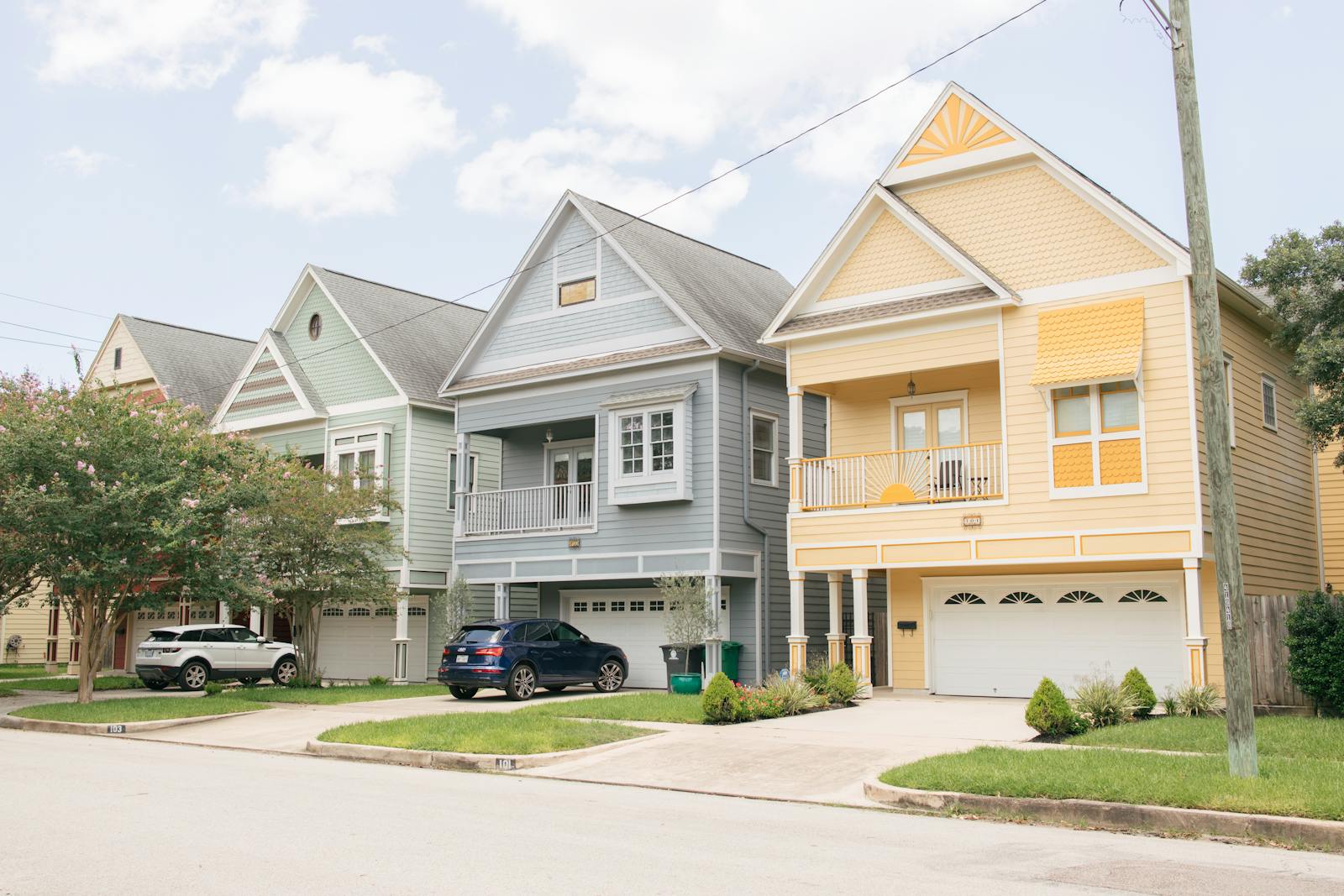
When homeowners move into a suburban neighborhood, they often expect tranquility and a sense of community. However, one resident’s experience was anything but peaceful, as they found themselves navigating a convoluted reign of control led by Todd, the local HOA president. Todd’s reign was marked by petty rules and a blatant disregard for accountability, leaving many neighbors in dismay and questioning his motives.

Todd was infamous in the neighborhood for his love of power and control. He enforced ludicrous fines, such as charging residents $200 for leaving trash cans out just a minute past the 9:00 AM deadline. Meanwhile, he turned a blind eye to his own violations; his yard boasted unpermitted structures and a fence that towered above city regulations. Yet, the most egregious behavior was how he manipulated the HOA for personal gain.
The homeowner, who became increasingly frustrated with Todd’s antics, decided it was time to take action—not through confrontational outbursts but rather with a strategic plan. The first step? Become an insider.
Under the guise of wanting to contribute positively to the community, the homeowner volunteered for the HOA board, biding their time and observing Todd’s tactics. For two years, they attended every meeting, diligently noting Todd’s bullying tactics and his tendency to drown opposing board members in mounds of paperwork. Todd’s control over the board was evident; he often held votes when only his supporters were present and conveniently mislaid paperwork submitted by dissenters. All the while, the homeowner remained an unassuming participant, waiting for an opportune moment to strike.
As they delved deeper into Todd’s behavior, a startling realization dawned on them: Todd wasn’t just a tyrant; he may also be a thief.
The homeowner began to notice discrepancies in the HOA finances. Despite high annual fees, the neighborhood common areas were failing; the pool was often closed for extended “maintenance,” and the landscaping appeared neglected. Questions arose about where all that money was going. When the homeowner requested a budget review during a board meeting, Todd casually dismissed the inquiry, claiming everything was under control. This nonchalance only fueled more suspicion.
Determined to uncover the truth, the homeowner reached out to fellow neighbors, discovering that many had made similar requests for financial transparency over the years, all met with silence. Whispers of Todd using HOA funds for personal projects began to circulate, further igniting the homeowner’s resolve to investigate. After filing a formal complaint, the pressure mounted, and Todd was finally forced to release the financial records—albeit after significant delay.
The documents revealed a tangled web of financial misconduct. Invoices were irregular, some payments appeared miscategorized, and a few expenditures raised eyebrows, like a mysterious $15,000 landscaping fee to a company that didn’t exist. With meticulous care, the homeowner cross-referenced these records with bank statements and uncovered damning evidence of embezzlement—Todd had been siphoning HOA funds into his personal accounts.
With proof in hand, the homeowner began crafting a comprehensive report, complete with detailed spreadsheets and statements from neighbors recounting their experiences. The plan to dethrone Todd was set into motion, culminating in the annual HOA meeting.
On the night of the meeting, the atmosphere crackled with tension. The homeowner, having rallied support from the community, ensured the room was packed with residents eager for change. As Todd droned on about his “sacrifices” for the neighborhood, the homeowner seized the moment, confronting him about the discrepancies in the budget.
Handing out copies of the report, the mood in the room shifted dramatically. Shocked whispers filled the air as residents absorbed the information detailing Todd’s duplicity. Attempting to regain control, Todd found his efforts futile; the weight of the evidence was too significant. A vote to remove him was called, and by the end of the meeting, Todd’s reign came to a sudden halt.
In the wake of his removal, an independent audit confirmed Todd’s mismanagement, revealing over $50,000 embezzled and numerous fraudulent activities. Law enforcement was notified, and a civil lawsuit followed to recover the funds. Todd’s fall from grace was swift; he lost his home to pay restitution, and whispers of his previous exploits left him an outcast in his own community.
With Todd gone, the homeowner, alongside the new board, implemented essential reforms to prevent a recurrence of such tyranny. They established term limits for board members, mandated financial transparency, and created online portals for homeowners to access important documents.
As the neighborhood thrived under fresh leadership, the homeowner could not help but reflect on Todd’s former residence, now a lively home for a new family. The community enjoyed revitalized trust, proper oversight, and a colorful landscape that spoke volumes about how far they had come. Meanwhile, Todd’s attempts to resurface in nearby neighborhoods were met with laughter, proving that justice—and community spirit—had triumphed.
More from Willow and Hearth:
Leave a Reply