Open your latest homeowners insurance renewal and the price may look like a pleasant surprise. According to Tom Ellsworth, the Biz Doc, who hosts the Numbers Scream series on Bet-David Consulting, that relief comes with a catch. Premiums barely moved, he says, but the coverage on the most expensive part of your house got smaller.
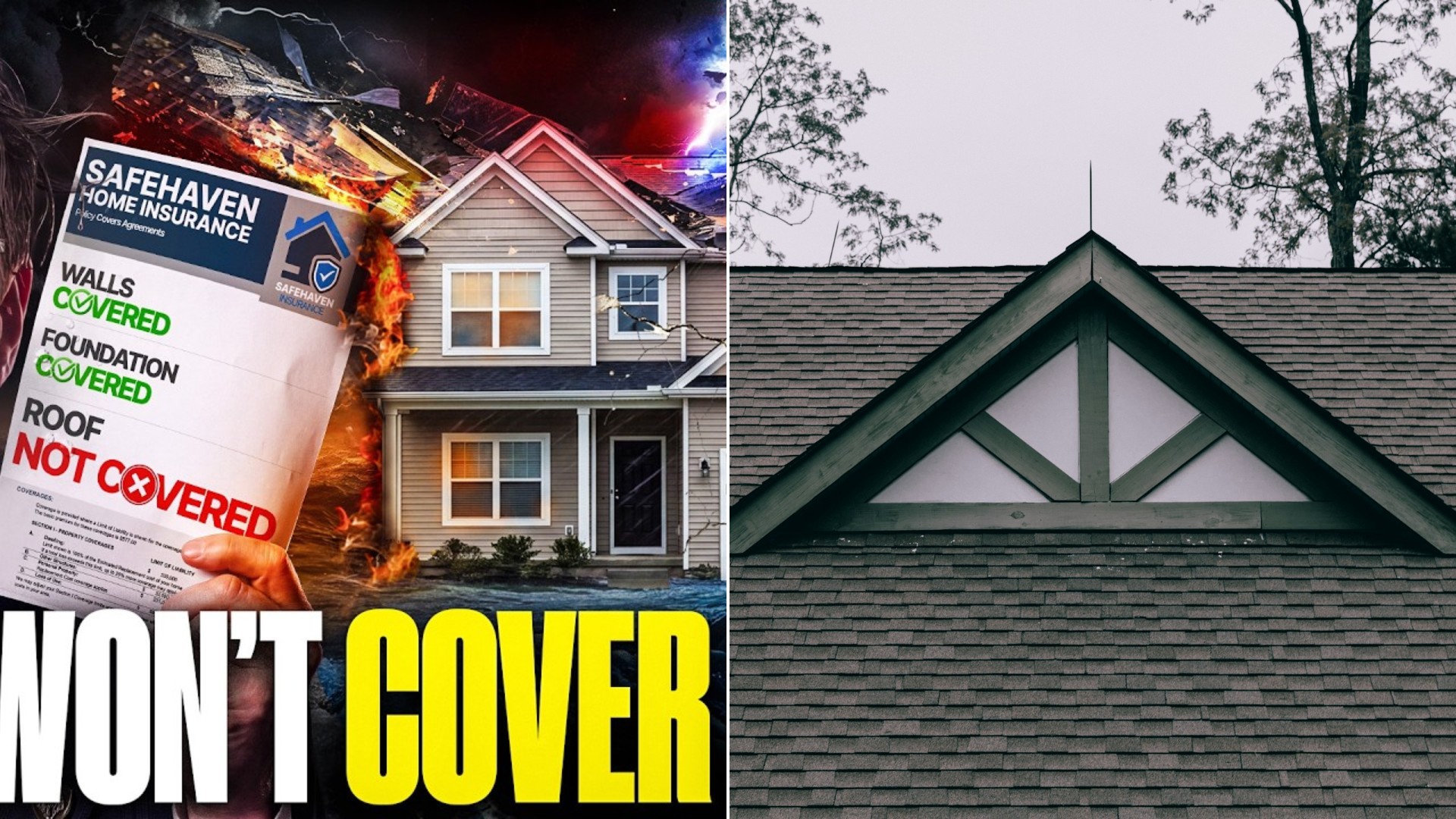
His episode on homeowners insurance walks through the numbers behind the change and what it could mean the next time hail rolls through your neighborhood.
You Are Really Insuring The Roof
Ellsworth starts with a point that surprises many people. When you think of home insurance, you picture the house burning down. In his telling, that is not the main risk at all. He says 70 to 90% of insured catastrophic residential losses are roofs, so you are essentially insuring your roof and a house happens to be attached.
The culprits are wind that drops trees on homes, hail in the Midwest and hurricanes that tear shingles off in the Southeast. He says 80% of severe storm claims come down to hail or storm systems that produce it. Hail splits shingles, water gets in, and the roof has to be replaced. He adds that storm chasers, the people in pickup trucks who knock on your door after a storm, often follow close behind.
Prices Barely Rose, Even With $50 Billion In Losses
Ellsworth points out that 2025 storms produced 51 billion in insured losses, with 68 in total economic damage, and that this was the third year in a row that insured losses topped $50 billion. Yet homeowners insurance increases have cooled. He cites an average increase of 13.6% in 2024, 6.3% in 2025, and only 1.8% through mid-2026.
His question is the one many homeowners would ask. If insurers have faced $50 billion in losses three years running, why did the price increases shrink? His answer is that homeowners were tricked.
The March 2026 Rule Change
Ellsworth says the change came on March 18, 2026, from the federal government side. Before that date, he explains, a mortgage backed by Fannie Mae or Freddie Mac required the home insurance policy to cover the replacement cost of the roof. After March 18, he says, the requirement shifted so that a policy could pay only the cash value of the depreciated roof.
He compares it to an insurer offering to pay only what your old refrigerator would fetch on eBay or Craigslist. Replacement cost is what it takes to put in a new roof. Depreciated value is what an older roof is worth today. The gap between the two lands on you.
He stresses that only the roof changed. The rest of the house still requires replacement cost coverage. In his view, insurers took the roof, the piece responsible for most of the losses, and reduced the coverage there. That is how, he says, prices can look like they are coming down while the actual cost of a claim goes up.
How A Deductible Hits Your Wallet
Ellsworth also reminds homeowners that a house deductible works differently from a car deductible. A car owner with a $500 deductible pays $500 to the body shop. A home deductible is often a percentage of the insured dwelling value. His example uses a $350,000 dwelling:
- At 1%, the deductible is $3,500 per incident.
- At 2%, it is $7,000.
- At 5%, it is $17,000.
- At 10%, it is $35,000.
He says the American consumer has been hit hard because of the extra expense. After a storm, you may hold a check for the roofer while still needing to cover the difference between the depreciated value and the new roof invoice, minus your deductible. In his example, a $7,000 expense can turn into $15,000 or $20,000 once the roofing bill arrives.
Non-Renewals And Cheaper Roofs
He also points to rising non-renewals. According to his numbers, non-renewals in the Southeast are up 216% over a six-year period, and all four regions he cites are up by figures ranging from almost 100% to more than 200% since 2018. Insurers decide who they keep, he says, and if a price increase is steep enough, they may simply decide not to renew.
Ellsworth also cautions that some roofers, though not all, may offer cheaper, lower grade materials to bring down the bill. The result can be a lower quality roof on your house, or more debt. His line for it is that you just bought a used pickup truck, but it is sitting on top of your house instead of in the driveway.
What Homeowners Can Do
Based on his advice, here are practical steps worth taking before the next storm season:
- Read your policy and find out whether your roof is covered at replacement cost or depreciated value.
- Check how your deductible is calculated. A percentage deductible can be far larger than a flat dollar amount.
- Ask your agent what a typical roof claim would cost you out of pocket, so there are no surprises.
- Be careful with door-knocking roofers after a storm, and get more than one estimate.
- Negotiate. Ellsworth says you will have to work with your roofer and push your insurance company to recognize a higher depreciated value.
The takeaway from the Biz Doc is that a small premium increase is not the whole story. Cheaper renewals can come from smaller coverage, so a few minutes with your policy now could save thousands later.
More Stories You May Like
- This Renter Was Told The Lease Would Not Be Renewed With Only 63 Days Notice Then Discovered The Landlord Overcharged $350 A Month For A Year And Won The Money Back
- One In Four Homeowners Has Just $500 Or Less Saved For Repairs While 81% Faced A Repair Emergency Last Year And 61% Delayed Fixes
- 27 Year Old Software Engineer Making $300,000 Says Renting Out Two Units In His Own Building Is Miserable And Hosts Tell Him He Does Not Need To
Leave a Reply