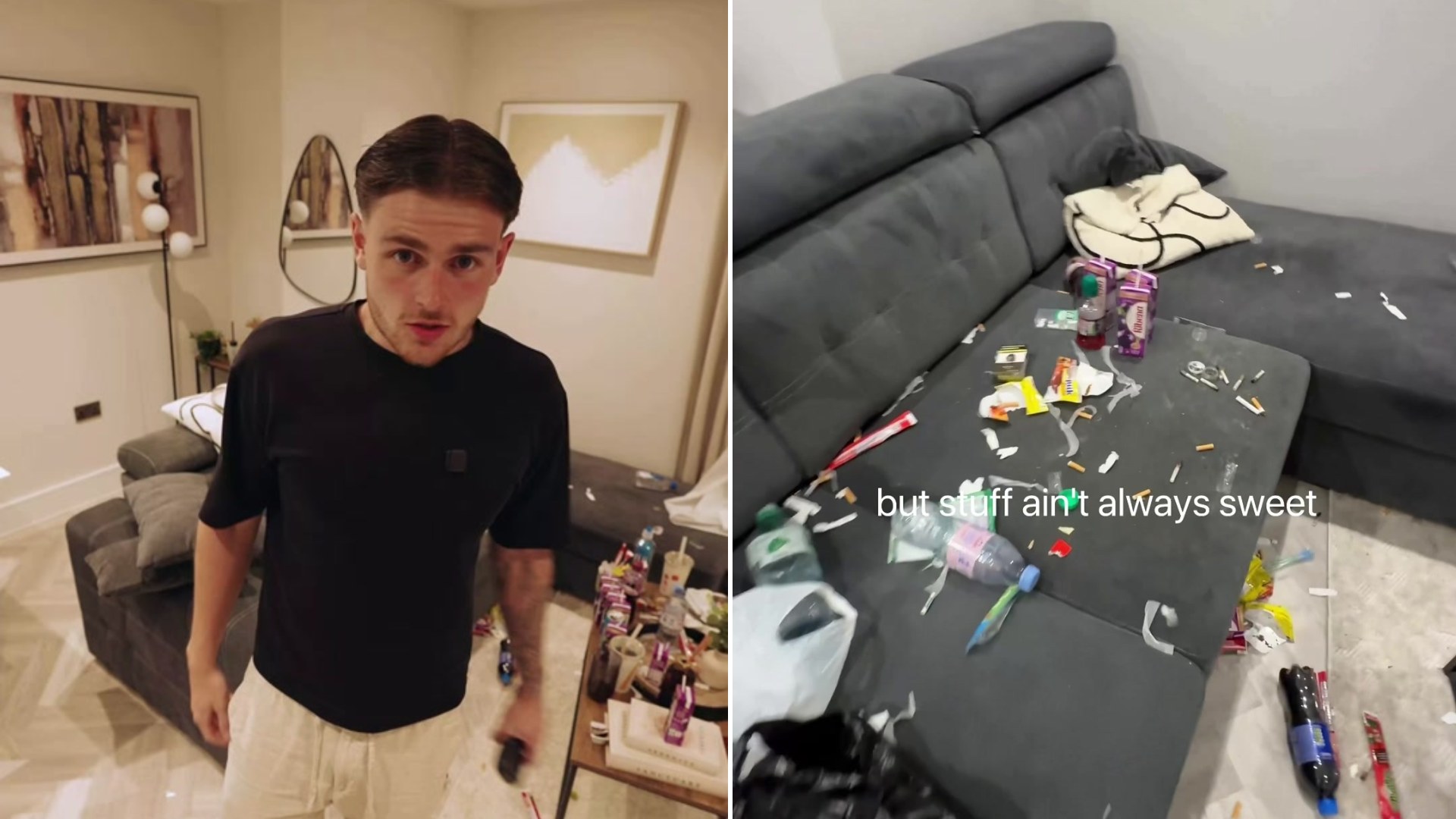
Short-term rental hosting looks glamorous in the listing photos and considerably less glamorous the day a guest checks out and leaves your apartment looking like a crime scene. That’s the reality one host decided to show his followers directly, walking them through the wreckage a guest left behind and, more usefully, how he actually got made whole afterward.
The host, who posts under the TikTok handle @1brandonallen, filmed his own apartment room by room after a guest’s stay ended, documenting the damage in real time rather than describing it after the fact. That distinction matters more than it sounds. Anyone who’s dealt with an insurance claim, a security deposit dispute, or a platform’s damage-reimbursement process knows that vague memory and secondhand complaints don’t get you paid. Timestamped video walking through the actual state of a unit does.
In his video, posted directly to his own account, Brandon Allen laid out what he found and, critically, what happened next: how his rental insurance policy and the terms baked into his rental contract worked together to offset the financial hit. It’s the part most hosting content skips. Plenty of creators post the “guest destroyed my place” clip for the shock value and the comment-section outrage. Fewer follow up with the unglamorous, actually-useful part: what coverage kicked in, what the contract language protected, and what the host had to eat himself.

Insurance Is Only as Good as What You Documented
Anyone who has rented out a spare room, a condo, or a full house on a short-term platform has heard some version of the horror story. A guest smokes indoors despite a no-smoking clause. A “quiet getaway” turns into an unauthorized party that leaves furniture broken and walls scuffed. Cleaning fees don’t come close to covering what actually needs replacing. What Allen’s video demonstrates, more than the damage itself, is the discipline of turning a bad guest experience into a documented claim instead of just an aggravating story you tell your friends.
That’s the throughline of his post at @1brandonallen: the damage was real, the frustration was real, but the outcome wasn’t a total loss because the paperwork existed before the guest ever checked in. Rental insurance policies built for short-term hosting typically require exactly this kind of evidence, photos or video showing the unit’s condition, ideally both before and after a stay, plus a rental agreement spelling out what guests are liable for. Hosts who skip that step and rely on a platform’s generic host-guarantee program often discover the guarantee has more exclusions than they realized. Hosts who treat their listing like the small business it actually is tend to fare better when something goes wrong.
The Contract Terms Nobody Reads Until They Need Them
The other piece of Allen’s explanation worth sitting with is the contract angle. Most guests never read the fine print of a rental agreement, and most hosts, if they’re honest, wrote that fine print once and haven’t revisited it since. But a contract that clearly states liability for damages, cleaning beyond normal wear, and unauthorized guests isn’t just legal boilerplate. It’s the thing that turns “well, that’s unfortunate” into an actual reimbursement conversation with an insurer or a booking platform’s resolution team.
What makes this particular video land isn’t outrage-bait editing or a dramatic reveal. It’s a host talking through his own process, on his own account, the way someone talks when they’ve been through the claims process enough times to know what actually works. That’s worth something in a space that’s otherwise flooded with viral “guest from hell” content designed purely to rack up views and sympathy, without ever explaining what the host did about it.
Short-term rental hosting has quietly become its own small industry, and like any small business, it runs on the parts nobody wants to think about until they’re needed: insurance riders, liability clauses, and the tedious habit of filming your own property before you hand someone the keys. Allen’s video is a reminder that the most useful hosting advice on the internet rarely comes with a hook. It comes with a receipt.
Property managers who oversee multiple short-term listings often build this same documentation habit into a standard turnover checklist, treating a quick room-by-room video as routine as changing the locks between guests rather than something reserved for after a problem already happened. Allen’s account suggests that habit paid for itself the moment it mattered, which is usually the only time a host actually notices whether the paperwork was ever worth the extra five minutes it took.
Leave a Reply