A one-dollar price tag is the kind of detail that makes a house famous for a week and forgotten a month later. That is not quite what happened to a small ranch house on East Ypsilanti Avenue in Pontiac, Michigan. Listed for a single dollar in August 2023, the 724-square-foot property drew more than 4,500 phone calls, nearly 250,000 views on Zillow, and 142 offers before anyone had even seen the inside in person, according to Fox Business. Eighteen months later, the same address sold again for more than $140,000, and the gap between those two numbers tells a more interesting story than the dollar listing ever did on its own.
A one-dollar listing was never really about a dollar
The Dupont Heights ranch had two bedrooms, one bathroom, and enough deferred maintenance that no conventional buyer was going to touch it at a normal asking price. Listing it for $1 was a marketing move designed to surface a cash buyer willing to take on a full gut renovation, and it worked almost too well. Offers ranged from 27 cents to $52,000, and the eventual winning bid, a cash offer at the top of that range, closed on August 23, 2023, according to the Detroit Free Press, via AOL. Pontiac has spent years trying to shed its reputation as a struggling Rust Belt city, and a viral listing that drew calls from across the country was, in its own strange way, free advertising for a neighborhood most outside buyers had never considered.
The city’s housing stock still carries scars from the auto industry’s long contraction, with blocks of modest ranch and bungalow homes built decades ago for factory workers who have since moved on or passed away. A single-dollar listing playing on that history is a well-worn tactic in cities like Detroit, Flint, and Gary, but it usually generates headlines without generating an actual sale that anyone can point to later. This one did both, which is largely why it’s worth revisiting now instead of letting it fade into the pile of forgotten viral real estate stories.

What the renovation actually involved
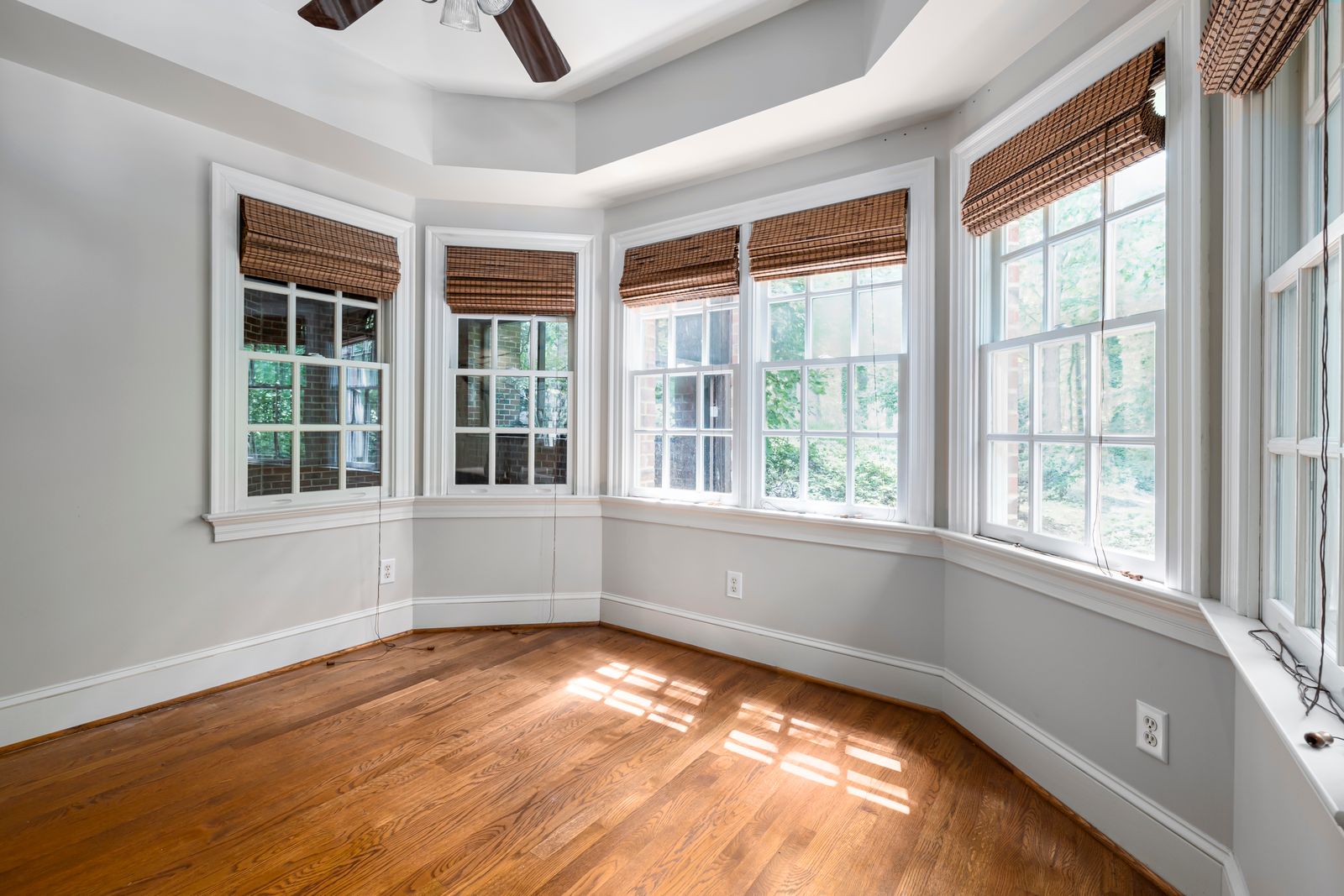
Whoever ended up with the keys did not do a cosmetic refresh. The rebuild touched nearly every system in the house: a new roof, new siding, replacement windows, foundation repair and paint, updated plumbing and electrical, a new furnace and water heater, new flooring throughout, and a rebuilt kitchen and bathroom. The footprint grew along with the systems work. What started as a 724-square-foot two-bedroom home came out the other side as a 960-square-foot three-bedroom, one-bathroom house, a nearly 33 percent increase in living space carved out of the existing structure and an addition. That kind of expansion inside a renovation budget is not cheap, and it explains why the final sale price landed so far above the $52,000 purchase price. Adding a bedroom and roughly 236 square feet typically means new framing, extended foundation work, and additional roofline, on top of everything else the crew was already replacing, so the project amounted to something closer to a rebuild than a remodel.
Back on the market, and moving fast
The rebuilt house returned to the market on March 6, 2024. Within days it was already under contract, with an accepted offer that landed roughly 5 percent above the asking price, a sign that renovated homes in the neighborhood were drawing real competition rather than sitting. The deal was reported as pending by March 11, and the home ultimately closed for more than $140,000, according to reporting from the Detroit Free Press. That is a return of nearly $90,000 over the purchase price, before accounting for renovation costs, on a home that most people driving past it in 2023 would have assumed was headed for demolition.
Why the numbers matter more than the headline
Viral dollar-house listings show up every couple of years, usually in cities dealing with blight and vacancy, and the format almost always promises more drama than it delivers. Most of these homes get bought, sit for a while, and quietly reappear on the market without much fanfare. This one is worth paying attention to specifically because the after-numbers are public and verifiable: a $1 ask, a $52,000 winning bid, a full-systems renovation, and a $140,000-plus resale less than two years later. Pontiac’s housing stock includes plenty of similarly sized, similarly worn ranch homes, and a documented before-and-after like this one gives other owners and investors an actual data point instead of a vague sense that “renovation adds value.” It is also a reminder that a home’s official price history rarely captures what happened between the sales. A dollar and $140,000 are both true numbers for the same house, and neither one means much without the renovation in between. For a city that’s had more than its share of stories about vacancy and decline, a documented turnaround like this one is a small but useful counterweight, proof that one specific address can go from a punchline to a genuine home in under two years, with the receipts to back it up.
Leave a Reply