Most home buyers think of the inspection as a box to check before closing. A smart buyer sees it as something more powerful, a document that can change the price.
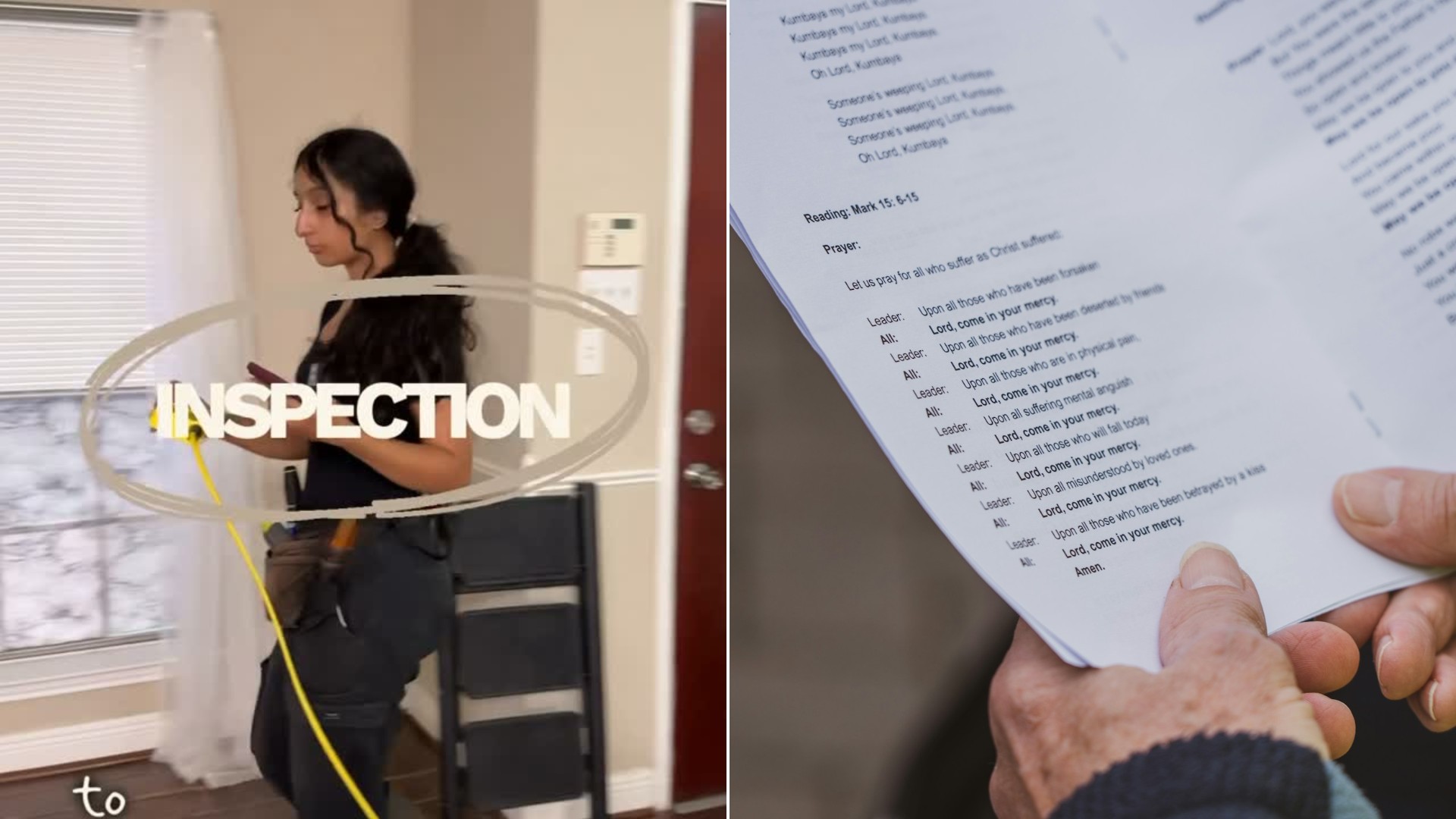
That is the lesson from an inspector on Instagram, @tips.jannat, who explains how a home inspection report can knock money off your price when a major foundation issue shows up.
View this post on Instagram
The Report Is Not Just A Checklist, It Is A Bargaining Chip
A home inspection report lists the condition of a house in writing, with photos and notes. Once it lands in your inbox, it stops being the seller’s opinion of the home and becomes a third party’s record of what is wrong.
The creator’s point is that this paperwork gives a buyer real leverage. When the report shows a serious problem, the buyer can go back to the seller with facts instead of feelings.
That shift in tone matters. Asking for a lower price because you do not love the kitchen is a tough sell, but asking because the report documents a major defect is a conversation sellers take seriously.
Why A Foundation Issue Changes Everything
The foundation holds up the whole house, and problems there can affect walls, floors, doors and windows. Because repairs can be large and costly, a foundation finding is one of the most important things that can appear in a report.
Signs that point toward foundation trouble include cracks in walls or brick, doors and windows that stick, floors that slope, and gaps around frames. Some cracks are cosmetic and some are not, which is why a professional opinion matters.
When an inspector flags something major, the usual advice is to bring in a structural engineer or a qualified foundation specialist. Their written assessment and a repair estimate give you numbers to work with.
Your Options When The Report Comes Back Ugly
Most purchase contracts include an inspection period, often called a contingency. During that window, a buyer can generally negotiate or walk away, depending on the exact terms of the contract.
- Ask the seller to make repairs before closing, using a licensed contractor.
- Ask for a credit at closing to cover the cost of repairs after you own the house.
- Ask for a price reduction that reflects the estimated cost of the work.
- Walk away if the problem is bigger than you want to take on.
Each path has pros and cons. A price reduction or credit gives you control over who does the work, while seller repairs can be quicker but may be done cheaply.
How To Make The Request Land
Preparation makes the difference between a successful negotiation and a stalled deal. Send the relevant pages of the report, photos, and any estimate from a specialist.
Keep the request specific and tied to the documentation. Instead of a vague demand, name the issue, show the estimated cost, and say what you are asking for.
Your agent can guide the process, and a real estate attorney can help in places where attorneys handle closings. Timing is crucial, because the inspection period has a deadline written into your contract.
Do Not Skip The Inspection To Win A Bidding War
In hot markets, some buyers waive inspections to make their offers more attractive. That can be a costly gamble, because the foundation, roof and major systems are the exact things that are hard to see on a showing.
If you do decide to limit your contingencies, consider paying for a pre offer inspection or at least walking the property with a contractor. Knowing what you are buying is worth far more than the cost of a few hundred dollars for a report.
Know What Lenders And Insurers May Require
Serious defects can affect financing as well. Some loan programs and lenders require certain repairs to be completed before closing, and insurers may ask questions about structural problems.
Talk with your lender early if the report shows a major issue. It is better to find out about a requirement during the inspection period than a week before closing.
Choosing An Inspector Who Will Tell You The Truth
Not all inspectors are the same. Look for someone who is licensed where your state requires it, who carries insurance, and who welcomes you at the inspection.
Ask for a sample report before you hire, and see whether it is clear, organized and full of photos. A good inspector explains what matters most and what is routine maintenance, so you do not panic over small things or ignore big ones.
Questions To Ask Your Inspector On Report Day
When the findings come in, ask the inspector which items are safety concerns, which are urgent repairs and which are routine upkeep. That ranking helps you decide what to bring to the negotiating table and what to simply budget for after you move in.
Also ask whether a specialist should look at anything further, such as the foundation, roof, sewer line or electrical panel. A short call at this stage can turn a vague worry into a clear number, and a clear number is what moves a seller.
The Takeaway For Buyers
A home inspection is not a formality. It is a tool that can protect your savings, and when a major foundation issue shows up it can also be the thing that lowers the price.
Read the report carefully, get expert opinions on anything serious, and use the facts to negotiate. The best time to find a big problem is before you sign, while you still have choices.
More Stories You May Like
- Buyers Who Waived Their Home Inspection To Win The House Say They Are Already Close To $20,000 In Repairs, And One Sewer Problem Alone Was Quoted At $12,000 To $15,000
- About 265,000 Sharper Image Tabletop Fire Pits Sold For $30 To $50 At Home Depot, Lowe’s, Target And Walmart Are Recalled After Ignited Fuel Escaped And Caused Third And Fourth Degree Burns
- Homeowner Puts Up Signs Saying ‘Your GPS Is Wrong Turn Around,’ But Drivers Using Uber Keep Tearing Across His Front Lawn To Avoid Cars Parked In His Driveway
Leave a Reply