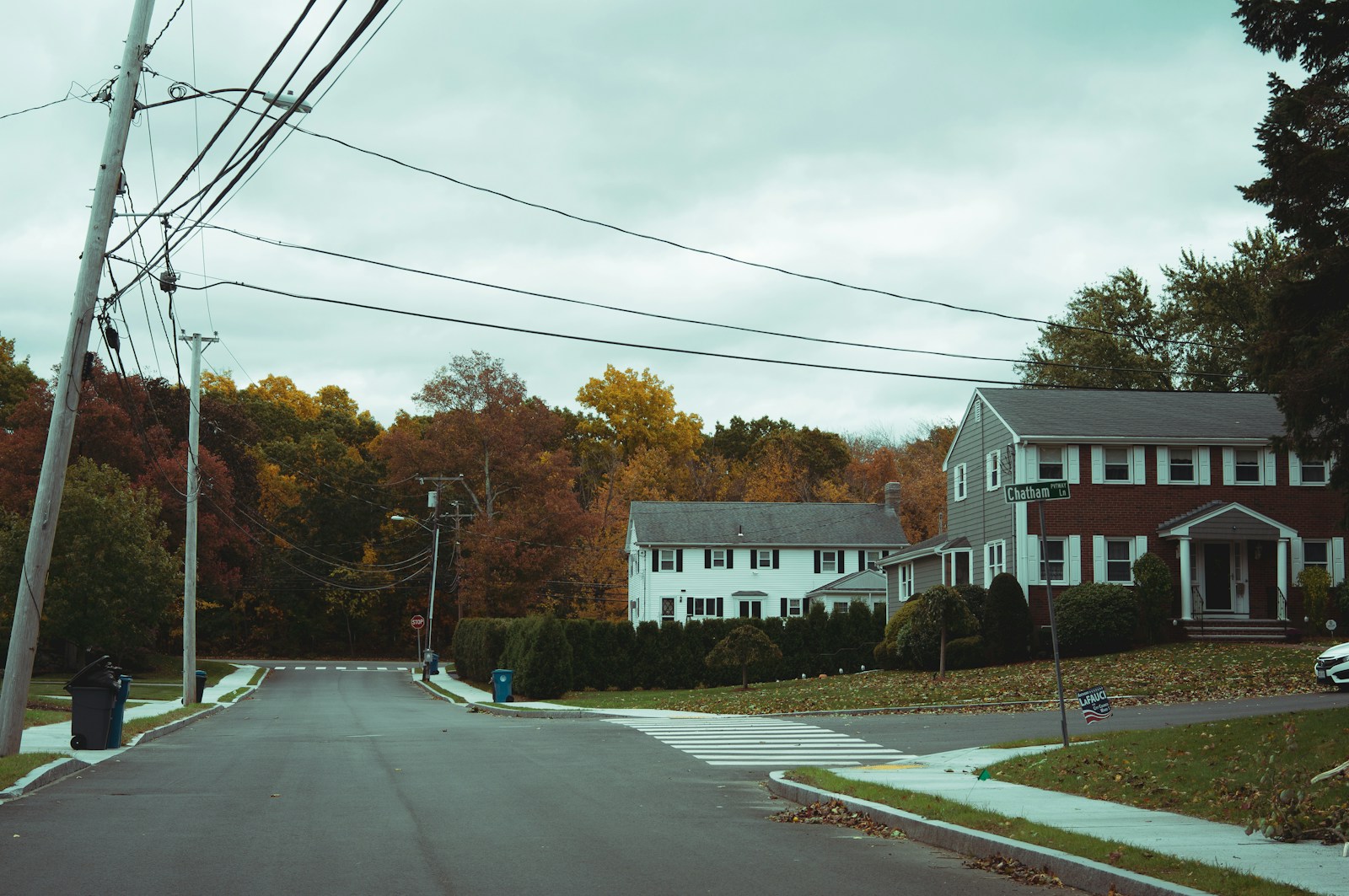
Bethany Michel moved into her father’s house in the Arbor Mill neighborhood of Oakleaf, near Jacksonville, in 2020 to care for him while he was dying. He passed away in October 2023, and she inherited the home. Nearly three years later, at 28 years old, she’s fighting her own homeowners association in court to stay in it, and roughly 155 of her neighbors have been asked to help pay for the fight to remove her, according to reporting from News4Jax.
Arbor Mill is a deed-restricted 55-and-older community, and Michel doesn’t meet the age minimum. The HOA has spent close to $155,000 in legal fees pursuing her removal, a figure News4Jax pulled directly from HOA financial records, and the board has floated a special assessment that works out to roughly $1,000 per household to help cover it. That means neighbors who have never met Michel, and in some cases never even seen her, are being asked to write checks to fund a lawsuit against her.
The math is what makes this different from a typical age-restriction dispute. Federal and Florida law generally allow one household in an otherwise age-restricted community to include someone under 55 in narrow circumstances, and an attorney interviewed by News4Jax walked through exactly how murky those exceptions get when the original owner dies and an adult child inherits the property outright rather than simply living there part-time. Michel says that ambiguity is precisely the problem: nobody, including the HOA’s own lawyers, seems to agree on whether she’s actually breaking a rule or just occupying a legal gray area the association would rather not have to explain to its 55-plus membership.

What has kept this story alive isn’t just the lawsuit, it’s the fact that Michel’s own neighbors are visibly split over it. Patty Acree, who lives in the community, told News4Jax she supports the HOA’s hard line without hesitation: “The rules are the rules. If we don’t enforce the rules for one, we can’t enforce rules for all.” But Michel says other neighbors barely register that she’s there at all, and that the community’s insistence on uniformity is colliding with the far messier reality of what happens to a house after someone dies. “I 100% am being forced out,” she told the station. “They’re trying to rip my office away from me, too.”
Her case has since drawn attention well beyond Jacksonville, with Inc. picking up the story as a case study in how aggressively an HOA board can pursue a homeowner even when the underlying legal question is genuinely unsettled. Michel has said she posted about her situation online mostly out of frustration, not strategy, adding that she “just did what I know to do.”
Age-restricted communities like Arbor Mill exist under a specific federal carve-out, the Housing for Older Persons Act, which lets developments legally exclude younger residents as long as at least 80% of occupied units house someone 55 or older. That framework was built with buyers in mind, not heirs. It says very little about what happens when the original owner, the person who met every qualifying condition, dies and leaves the property to an adult child who doesn’t. Florida courts have handled versions of this question before, but rarely with the kind of dollar figure attached to it that Arbor Mill’s board is now proposing, and rarely with a board willing to let the fight drag on for three years while legal bills climb into six figures.
That’s part of what has made the case resonate outside Jacksonville. It isn’t really a story about whether one woman gets to keep her father’s house, though that is what’s at stake for Michel personally. It’s a story about how much financial risk an HOA board can transfer onto homeowners who never voted for a lawsuit, never met the person being sued, and have no real way to opt out once the assessment vote is called. Michel says she never expected her father’s death to turn into a three-year legal fight over her own address, and Arbor Mill’s board has not said whether it would consider settling the case rather than continuing to bill its own membership for the privilege of pursuing it. Whatever the court eventually decides about her right to stay, the $155,000 already spent trying to remove her, split among neighbors who had no say in bringing the lawsuit, has already reshaped how the entire community sees itself: a rule written to keep a neighborhood uniform has instead put grieving families, aging homeowners, and a woman who buried her father in that house on the same side of an assessment bill nobody asked for.
Leave a Reply