Few home projects go as sideways as the one a Rancho Santa Fe, California homeowner says he signed up for in 2020. Ambrose Conroy wanted a Tesla solar roof, a sleek system that is supposed to generate power and keep the rain out at the same time. The price at the start was $82,000.
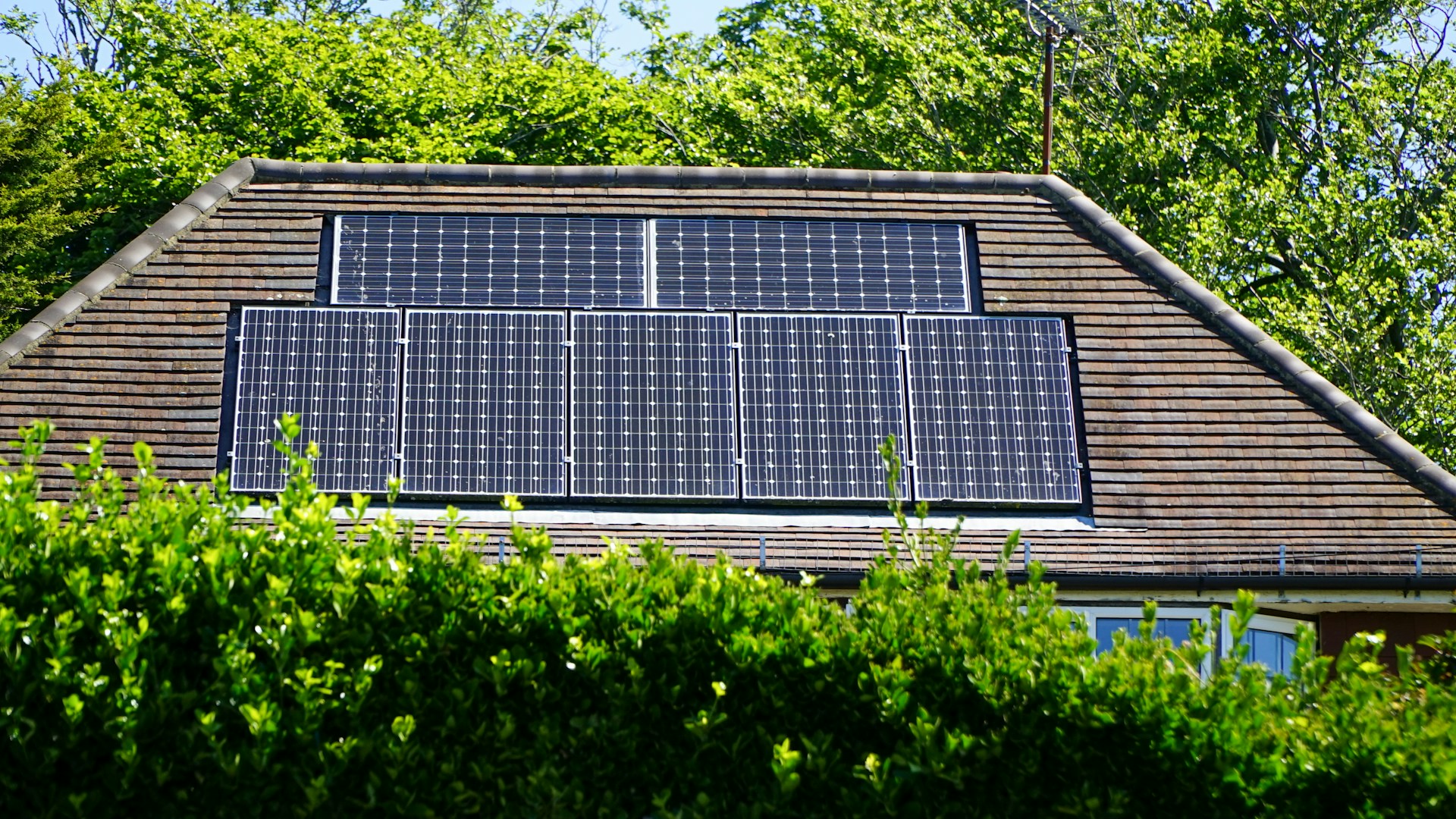
Years later, a San Diego Superior Court judge has found Tesla liable for fraud and negligent misrepresentation in his case, Conroy v. Tesla, case number 37-2022-00043670. But the way the court got there is a story of its own, and the big dollar figure that has been making the rounds is not what many people think it is.
The court system’s home page is at the San Diego Superior Court website, where case records are handled.
An $82,000 Roof Grew To A $110,000 Bill
According to the account of the case, Conroy signed up in 2020 for the solar roof at the original price of $82,000. Along the way, the costs grew until the bill reached $110,000.
The reports say Tesla later offered a $5,000 buyout. For a homeowner who had already paid far more than the first quote, that offer would have felt like a pat on the head.
Tesla Admitted Breach Of Contract, Warranty And Negligence
In the lawsuit, Tesla admitted breach of contract, breach of warranty and negligence. That admission matters, because it means the company did not dispute that it fell short on core promises. The open question in the case was how far the wrongdoing went and what it would cost.
That brings us to the fraud finding, which came by an unusual route.
Two Sanctions For Withholding Documents Led To A Fraud Finding
The judge, identified as Judge Freeland of San Diego Superior Court, imposed two sanctions on Tesla for discovery failures. Discovery is the stage of a lawsuit when each side has to hand over documents and information. The first sanction, in February, was $15,467.50. The second, in June, was $13,500.
Then on Sept. 11, the judge imposed what is called an issue sanction. In plain terms, that is a penalty where the court treats certain points as established because a party failed to follow the rules. Here, the order found fraud and negligent misrepresentation against Tesla.
It is worth being precise about what that means. The fraud finding is a sanction outcome, not a verdict reached by a jury after a full trial.
The Homeowner’s $2.5 Million Figure Is An Estimate, Not An Award
You may have seen the $2.5 million number attached to this case. That figure is the homeowner’s estimate of the repair costs, not money a court has awarded him. Nobody has been ordered to write a check for $2.5 million.
That distinction is easy to lose in a headline, and it is the kind of detail that can change how the whole case looks. A claim is not a judgment, and an estimate is not a payment.
As of Nov. 12, Tesla was seeking a stay and appellate review. A stay would pause the case, and an appeal would ask a higher court to look again at the ruling. So the story is not over.
What Homeowners Can Learn From A Roof Project Gone Wrong
You do not have to be buying a solar roof to learn from this case. Any big project on your house, whether it is a roof, a kitchen or a new furnace, can drift in price and schedule. A few habits can protect you.
- Get the price, the scope and the completion date in a signed contract, and ask what happens if the cost changes.
- Insist that any change in price be agreed to in writing before the work continues.
- Keep a file with every email, invoice, photo and text message. If a dispute ever lands in court, documents are what everyone fights over.
- Take dated photos of the work as it goes, including anything that looks wrong.
- Pay in stages tied to finished work, and do not let payments run far ahead of progress.
- Ask your homeowner’s insurance company how a new roof or solar system affects your coverage and your policy.
It also helps to compare at least a few bids for a major project and to ask each contractor for recent references you can actually call. Big brands and small local crews alike can run into delays, and a call to a past customer tells you more than a brochure.
The Conroy case also shows why paperwork matters on both sides of a dispute. Courts expect parties to hand over what they have. In this case, two sanctions for withholding documents were followed by a finding of fraud.
For now, the facts on the record are clear. A roof that started at $82,000 became a $110,000 bill, Tesla admitted breach of contract, warranty and negligence, and a judge found fraud as a sanction. Whether that finding stands is now in the hands of the appeals process.
More Stories You May Like
- Homeowner Digs Up His Own Yard Hunting A Leak Behind $19,000 Water Bills, Then Finds The Seller’s Supposed Replacement Line Was The Problem
- Utah Now Tops The Nation With 4.45% Of Homeowner Policies Dropped By Insurers, About 1 In 22, After Ranking 17th Worst A Year Earlier While California Sits Second At 2.93%
- She Bought Her First Home And Heard Scratching After One Week, Four Months And Several Pest Controllers Later A Smoke Test Still Could Not Find How The Rats Got In
Leave a Reply