Four dollars. That is how short the rent was, twice in a row, on a $2,000 apartment. Real estate investor @a_real_estate_vet, who goes by Art V, says it set off a chain of events that ended with a judge handing him possession of the unit.
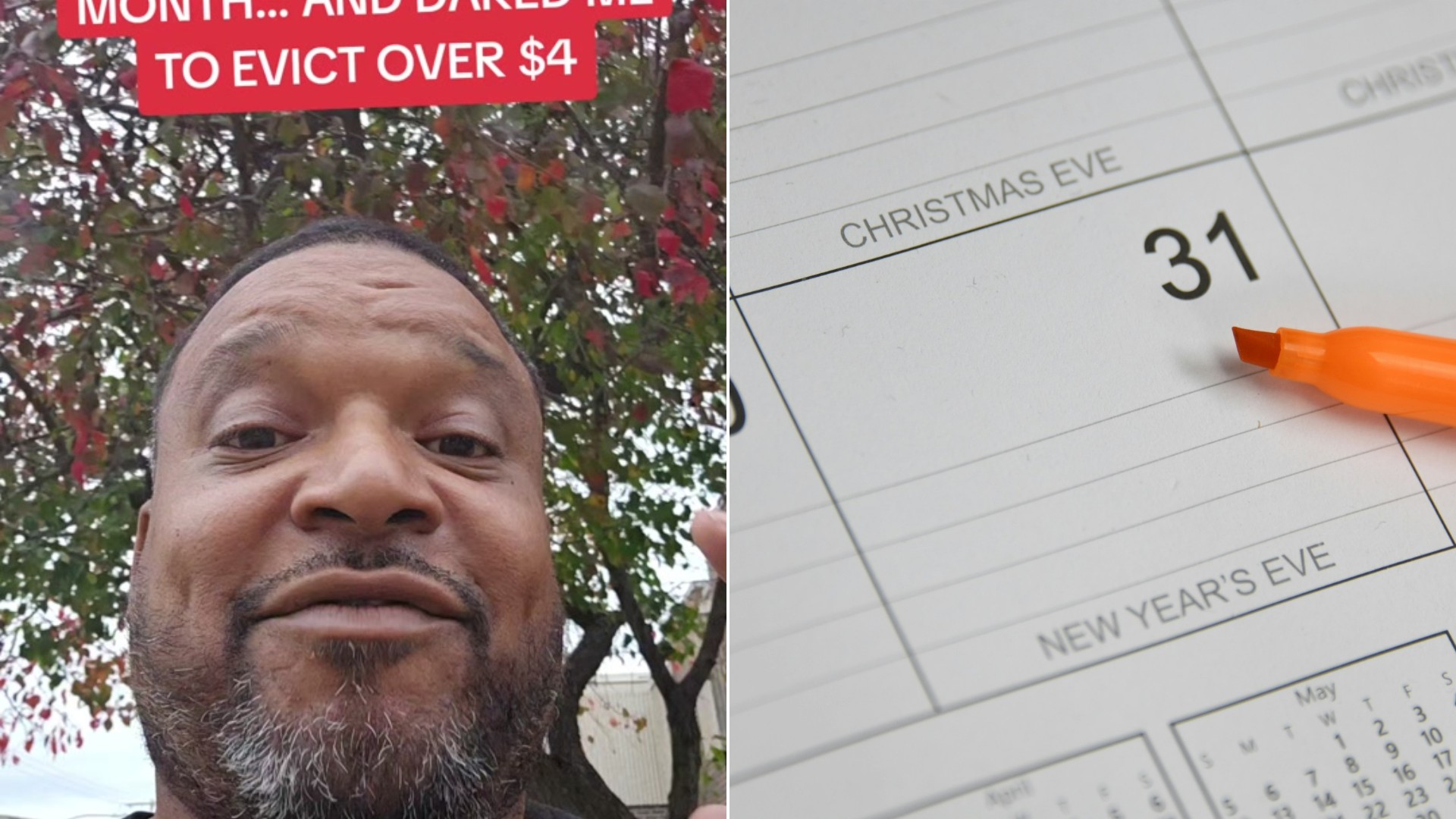
“Ever had a tenant challenge you?” he asks. He says it happened to him, and he shares what he did and what he would suggest to other landlords.
@a_real_estate_vet
His team had bought a two-flat building, and the second-floor unit came with a tenant already in it. The rent was $2,000 a month. Like any new owner, he says, they collected the tenant’s information and explained how they do things.
The First Payment Landed $4 Short And The Tenant Never Called Back
New tenants are asked to pay through an online rent service that pulls money straight from their bank account by direct ACH transfer. The tenant controls the payment, and Art says this man agreed to the setup without any complaint.
Then the first month arrived, and the payment was $1,996. That was $4 less than the $2,000 owed.
Art called and got no answer. He left a message asking the tenant to cover the $4 difference. Then nothing, for the whole month. “I’m not gonna start an eviction for $4,” he says. “I figured it was an oversight.”
Month Two Brought Another $1,996 And A Five Day Notice For $8
The second month brought the same result: $1,996 instead of $2,000. Art says he began to wonder whether the tenant had set up some kind of automatic deduction, something he had never seen with that payment service.
He reached out again, and again the tenant stayed silent. So this time he sent a five-day notice, which lists the unpaid rent. The shortfall was now $8 across two months.
Art calls that step “silly” and says he assumed the tenant would send the money and that would be the end of it. Instead, the five days passed, the notice expired, and the $8 stayed unpaid.
“Your Honor, Are They Really Gonna Evict Me For Four Bucks?”
So Art filed for eviction, which he says he never wanted to do and thought was “the stupidest thing.” His team visited the property and the tenant was a no-show. Calls to reach him went nowhere as well.
A hearing was set. Art expected a two-minute proceeding in which the tenant would walk in, apologize and call it a mistake. The tenant did come to court, and his argument came with a line that still stings: “Your honor, are they really gonna evict me for four bucks?”
The judge answered yes, that is what they were doing. The tenant then said he would gladly pay the four bucks.
“If You Make Me Come To Court Over Four Bucks, You Got To Go”
Art told the judge he did not want the money. The judge pointed out that the man was only a few dollars short and asked whether Art really would not accept it. Art held his position: if a tenant forces him to appear in court at all, “let alone four bucks,” the tenant has to go.
The judge granted possession of the property. Art did not even pursue the back rent, which was a few dollars. He says the tenant stopped paying altogether once he heard that Art would not take the $4, and that he is now moving out, or the sheriff will carry out the removal.
His reasoning is blunt. A tenant who is short on day one and answers no calls is, in his words, going to be a problem tenant, and he says he is not going to play those games. He closes by asking for opinions on whether the whole thing is crazy.
What Landlords And Tenants Can Learn From A $4 Dispute
For landlords, the first takeaway is the paper trail. Art called, left a message, sent a notice and filed in court, and each step created a record. If you ever end up in front of a judge, dates and copies of notices matter more than anyone’s feelings about the amount.
The second is to check your local rules before you act on a small shortfall. In many places, accepting a partial payment, or sending the wrong form, can complicate an eviction. Rules differ by state and by city, so a quick call to a local landlord association or a tenant-landlord attorney is cheap insurance.
The third is to set expectations on day one. Art told his tenant exactly how rent had to be paid. A written lease that spells out the full amount, the due date and any late fee leaves no room for argument later.
For renters, the lesson is just as plain. If your payment is off by even a small amount, fix it quickly and answer when the owner calls. A phone call that costs you two minutes can head off a court date that costs you your home.
Art insists he stayed level-headed throughout, and he has a simple rule for tenants who test him: show up, pay in full and pick up the phone. Whether you call it firm or fussy, his story shows how a small habit repeated twice can turn a quiet tenancy into a court case.
More Stories You May Like
- Philadelphia Landlords Must Now Give A Written Reason Before Ending Or Not Renewing Any Lease, And One Landlord Warns A Single Bad Tenant Could Land Him In Foreclosure
- Renter Sees A TikTok Ad For A House, Pays $1,070 In Gift Card Codes After Zelle Fails, Then Is Asked For $700 More For A Second Month’s Rent And Ends Up Losing $1,770, Police Say
- Illinois Landlords Will Have To List Every Mandatory Fee On The First Page Of The Lease Starting In 2027, And Any Fee Left Off Is One The Tenant Does Not Have To Pay
Leave a Reply