A lot of renters assume they just have to put up with whatever a landlord does. A short TikTok from @lawyer.vince, a lawyer who shares tenant rights advice, says that is simply not true. The message is plain: owning the property does not put a landlord above the law.
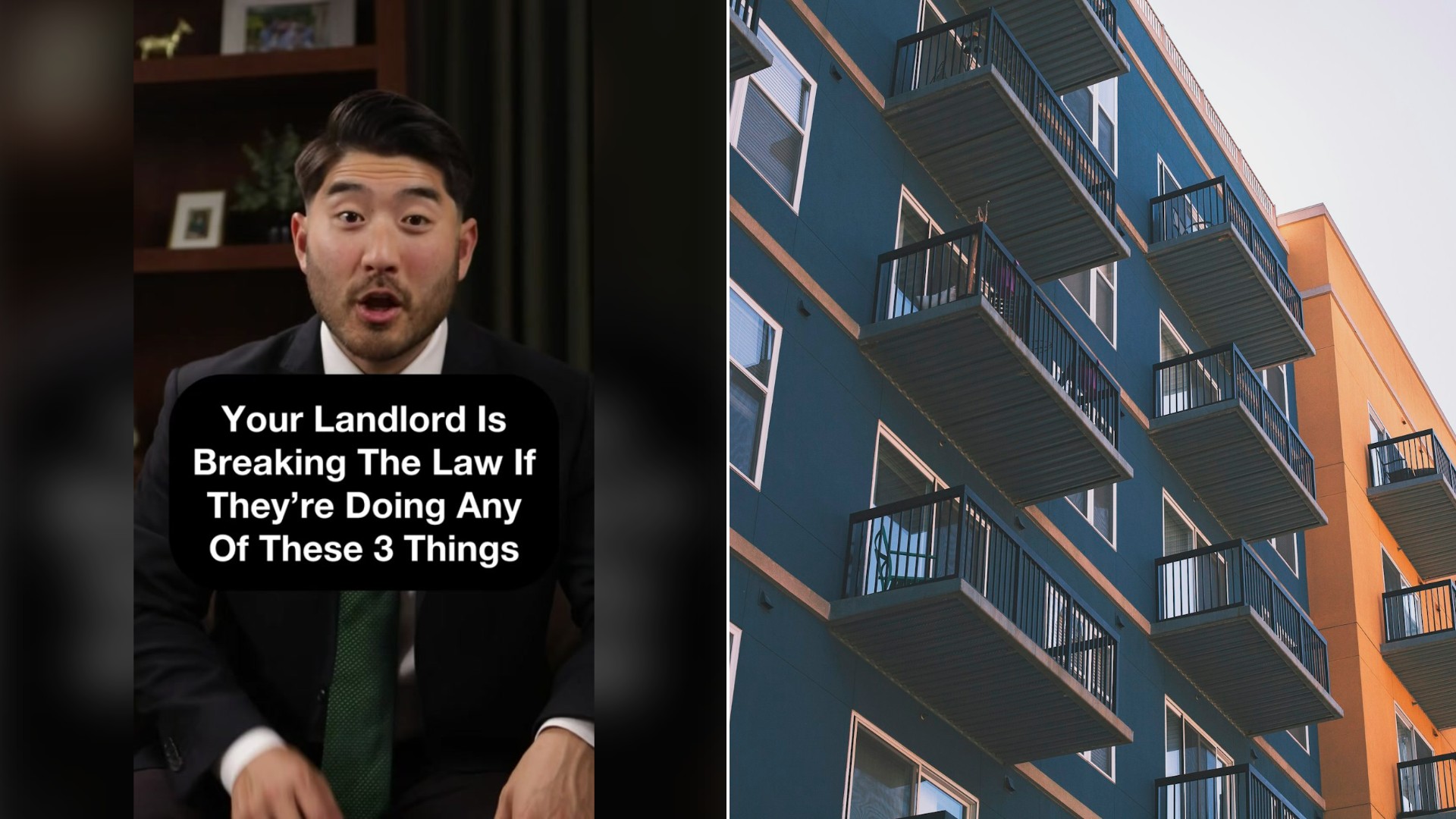
The lawyer lists three things a landlord cannot do, and if yours has done any of them, you may want to take a closer look at your rights.
@lawyer.vince
One: No Lockouts And No Shutting Off Utilities
Your landlord cannot lock you out or shut off your utilities to force you out. That means no cutting the water, no cutting the electricity and no changing the locks. According to the lawyer, this is called a self help eviction, and it is illegal everywhere.
If a landlord wants you out, the lawyer says, they have to go through the courts. That is the only legal way. A landlord who skips the courtroom and tries to make life impossible instead is the one breaking the rules.
Two: No Walking In Whenever They Feel Like It
Your landlord cannot just walk into your home whenever they feel like it. The lawyer says that in most states, landlords are required to give you proper notice before entering. Showing up unannounced is not just rude. It may be a violation of your rights.
The exact amount of notice depends on where you live, so it is worth reading your lease and checking your state and local rules. Most places also make exceptions for real emergencies, such as a fire or a burst pipe, but a routine visit is not the same as an emergency.
Three: No Payback For Speaking Up
The third point may be the one that matters most to renters who are afraid to complain. A landlord cannot retaliate against you for speaking up. That includes reporting a repair issue, filing a complaint, or asking for something you are legally entitled to.
The lawyer gives a simple test. If your rent suddenly went up, or you got hit with an eviction notice right after you spoke up, that is not a coincidence. In the lawyer’s words, you have rights inside that unit, and your landlord does not get to ignore them.
What To Do If This Sounds Familiar
Knowing the rules is the first step. Here is how to protect yourself if you think a landlord has crossed a line. Keep in mind that these are general ideas and not legal advice, and the rules can differ by state and by city.
- Put requests in writing. If you ask for a repair, send it by text, email or letter, and keep a copy. A written request gives you a date and a record.
- Keep a timeline. Write down when you asked for a repair, when a complaint was filed, and when anything changed, such as a rent increase or a notice. If a rent increase lands right after you spoke up, the dates tell the story.
- Take photos. Pictures of a problem, with dates, can help show that it existed and that you reported it.
- Save every notice. Keep any letter, text or email about entering your unit, raising your rent, or ending your tenancy.
- Do not move out in a panic. If you have been locked out or your utilities have been shut off, remember that a landlord who wants you gone has to go through the courts. Get advice quickly from a local tenant organization, a legal aid office or a lawyer in your area.
- Check your local rules. Cities and states set their own notice periods and tenant protections. Look up your area’s rules on entry, retaliation and eviction.
A Simple Way To Remember It
If you want to keep the lawyer’s list in your head, think of it as three words: no lockouts, no surprise visits, no payback. Whenever something your landlord does fits one of those, stop and write down what happened, when it happened and what was said. That habit costs nothing, and it gives you something concrete to show if you ever need help.
Why This Matters
Some renters stay quiet because they worry that speaking up will cost them their home. That fear is exactly why rules against retaliation exist. A repair request or a complaint is not something a landlord can punish. If you are treated that way, the lawyer’s point is that it is not a coincidence, and you do not have to accept it.
A tenant who knows the rules is much harder to push around. Share this with a friend or a family member who rents, especially anyone who has decided there is nothing they can do.
The video is short, but the message is worth passing along. You may live in a home you do not own, but you still have rights inside it.
More Stories You May Like
- Business Consultant Says He Wants The Contractor Working On His House To Make A Healthy Profit, And His Reasons Have Homeowners Rethinking The Cheapest Bid
- Gardening Fix After an HOA Violation Shows How One Homeowner Solved It Without Paying a Fine
- Appalachian Grandmas Fed Whole Families From Flour, Grease And A Cup Of Water During The Depression And One Meal Even Kept A Family From A Deadly Disease
Leave a Reply