In a heart-wrenching recounting, an individual reveals their struggles after enduring a year and a half in an emotionally abusive relationship. The relationship not only challenged their self-esteem but also led to public breakdowns and impulsive social media posts that left friends bewildered. The poster is now left grappling with shame and regret, questioning whether their trauma responses turned them into the villain in their own story.
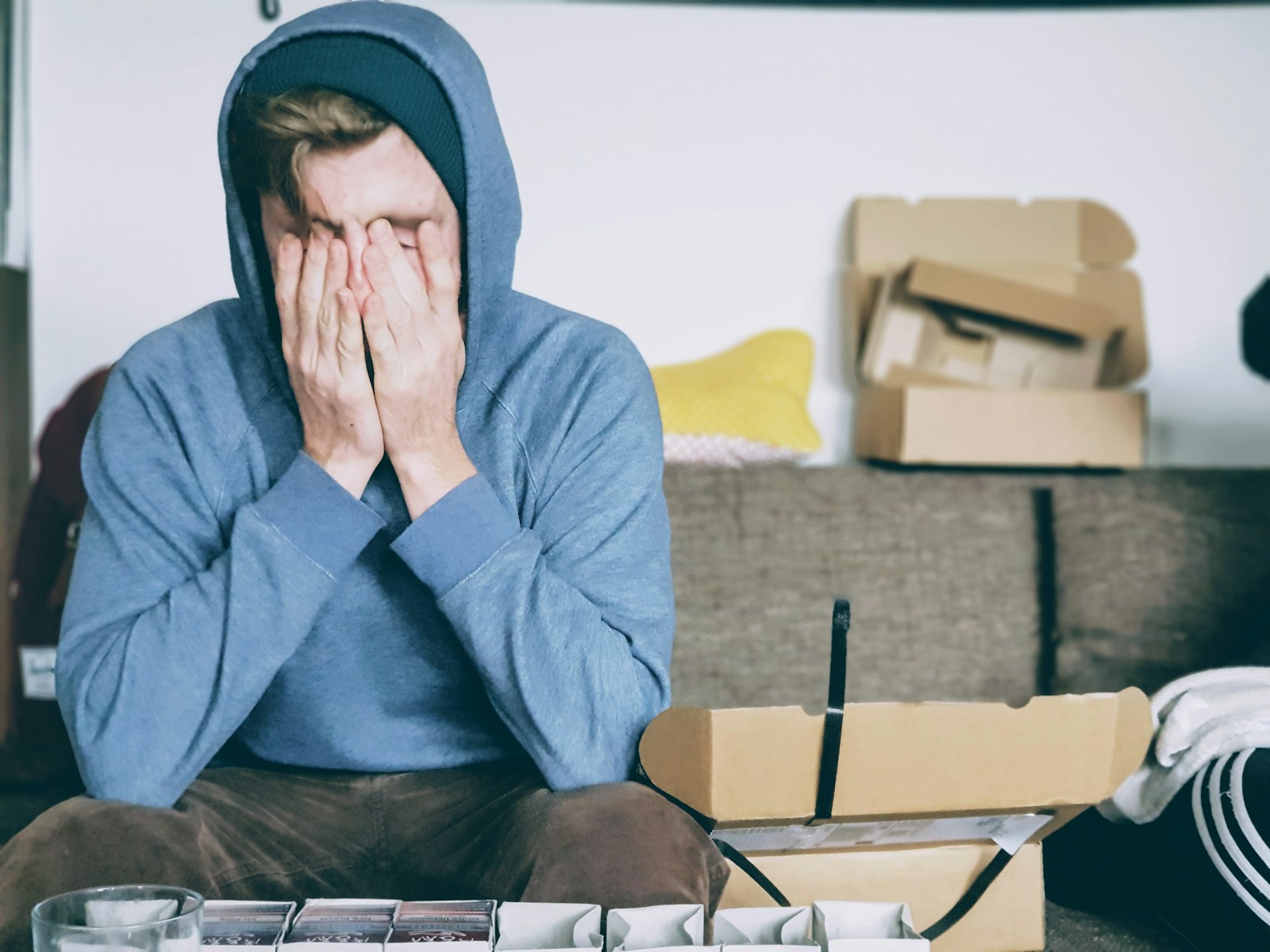
The drama unfolded over an extended period, marked by chronic lying and manipulation from the poster’s partner. Describing their partner as a “chronic liar,” the poster discovered deception layered beneath seemingly innocent interactions. “Whenever I caught on, which happened a few times, he would lie more to hide it,” they explained, detailing how these lies contributed to their spiraling mental health.
The emotional abuse was compounded by gaslighting tactics, where the partner would flip the narrative, suggesting that any mistrust was a personal flaw rather than a justified response to deceit. “He’d say things like ‘you’re a terrible boyfriend for not trusting me,’ and ‘your anxiety is out of hand’,” the individual lamented. This constant verbal assault left them feeling inadequate and uncertain about their own perceptions.
The emotional turmoil reached its peak as the poster found themselves experiencing frequent mental breakdowns. “Around 2-3 times a month, but 4-6 times a month at the worst of it,” their public displays of distress became a troubling routine. They recalled impulsive acts on social media, posting self-deprecating messages like “I hate it here, I hate myself, I’m trash.” This cycle of expressing despair publicly not only showcased their struggle but also raised eyebrows among friends, who were confused by the sudden emotional outbursts.
Despite the chaos unfolding behind closed doors, the poster kept silent about the abuse. They hesitated to share the full picture with friends, fearful of painting their partner in a bad light. However, when the poster attempted to reach out for support, they were met with disbelief and invalidation. “I did try reaching out to one recently, but they didn’t believe me that my ex was abusive, which hurt a lot,” they shared, showcasing how isolation compounded their feelings of worthlessness.
As the poster grapples with feelings of guilt about their public behavior, a mixture of empathy and confusion echoes among readers. Comments from those who resonated with their experience highlighted the complexities of emotional abuse and its long-lasting effects. Many were quick to offer support, emphasizing that the poster was not at fault for their reactions to a toxic situation. Others expressed frustration at the friends who failed to validate the poster’s experiences, underscoring the need for support systems that recognize the signs of emotional distress.
Despite the supportive sentiments, some readers in the comments reflected on the difficulty of navigating social relationships marred by emotional struggles. It became clear that while the poster’s breakdowns were a response to manipulation, the repercussions rippled out, affecting friendships and community dynamics. Ultimately, readers found themselves divided between wanting to support the poster and acknowledging the confusion their breakdowns may have caused among friends who were unaware of the underlying issues.
As the poster moves forward, they are left to reconcile the internal conflict between recognizing their responses as valid while also feeling the weight of public scrutiny. Their journey through a tumultuous relationship has left scars that challenge their self-perception and relationships with others. The lingering question remains whether they can find peace in their truth as they navigate the aftermath of emotional upheaval and look toward healing.
More from Willow and Hearth:
Leave a Reply