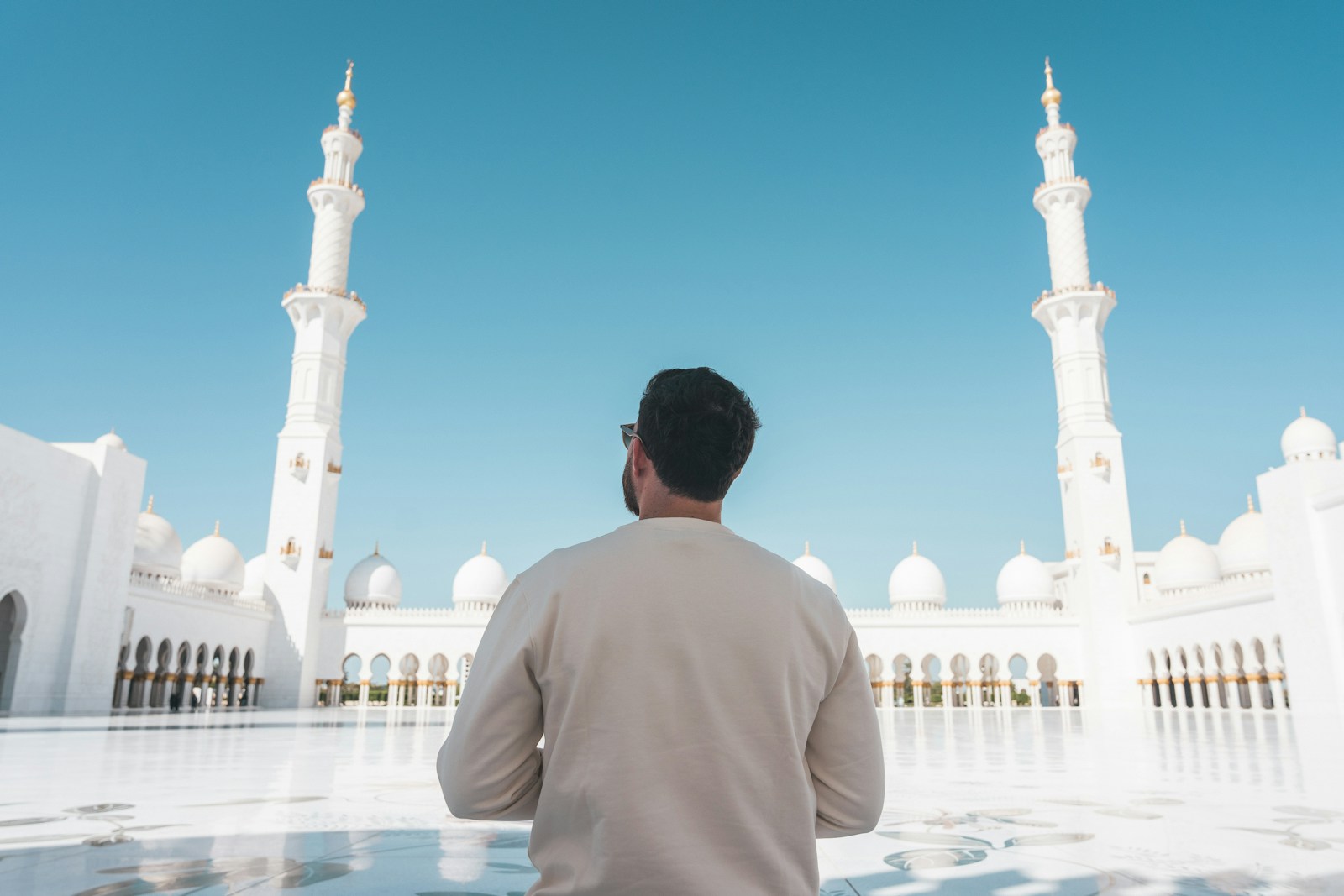
In an unsettling incident at Masjid al-Haram, a man experienced sexual harassment while fulfilling his religious duties at one of the world’s most revered sites. The event, which unfolded in a seemingly peaceful environment, took a disturbing turn that led to a robust response from security personnel, ultimately highlighting the complexities of confronting harassment even in sacred spaces.
The poster, a male visitor, had just completed his prayers on the second floor of the Grand Mosque when he decided to fill a five-liter water container before returning to his hotel. As he waited near the crowded water dispensers, a Yemeni man approached him. Initially, the encounter seemed benign, with the stranger making small talk and complimenting Egyptians. However, as the conversation continued, the man’s behavior grew increasingly intrusive, with him leaning closer and making comments that set off alarm bells.
Seizing on a moment of opportunity, the man took the water container from the poster without asking and insisted on guiding him to a less crowded area on the third floor. In this seemingly empty space, the Yemeni man filled the container for him. The situation soon escalated when they began to walk back downstairs. Out of the blue, the Yemeni man asked for the poster’s phone number, suggesting they meet for lunch the following day. The poster, wanting to avoid confrontation, reluctantly agreed, though he had no intention of following up.
Then the unexpected happened. In a shocking move, the man hugged the poster from behind. Stunned and unsure of how to respond, the poster froze for several seconds before instinctively pushing the individual away and shouting for help. His cries drew the attention of nearby security officers, who arrived within moments to assess the situation. They separated the two men and took them to different rooms for questioning.
In an impressive show of professionalism, the security personnel took the poster’s account seriously. After he recounted the incident, they reviewed the CCTV footage, which corroborated his story. This quick action not only validated the poster’s experience but also ensured that the Yemeni man would be held accountable for his actions. The officer assured the poster that his rights were protected and that he would be kept informed as the situation unfolded.
Feeling a mix of relief and pride, the poster reflected on his decision to stand up for himself. He expressed gratitude for the swift and respectful handling of the incident by the security team, who provided reassurance that justice would be served. The experience highlighted a vital truth: even in the most sacred of places, individuals must feel safe and respected.
While the incident raised concerns, it also sparked a dialogue among readers about the nature of harassment in public spaces, particularly in religious or sacred contexts. Some commenters noted the importance of support systems in such situations, echoing the poster’s relief at the swift action taken by security personnel. Others shared personal stories of harassment, emphasizing the need for awareness and action in the face of inappropriate behavior.
The poster’s story resonated with many, leading to discussions about the balance between cultural sensitivity and personal boundaries in public interactions. A number of readers expressed their admiration for his bravery in confronting the harasser, praising his quick thinking and the immediate response from security, which ultimately validated his experience. The incident has prompted ongoing conversations about how similar situations can be better addressed in the future.
In the end, while the poster left the mosque feeling validated, the lingering effects of the encounter remain a stark reminder that harassment can occur anywhere, even in places of worship. The mixed emotions of pride in standing up for oneself and concern for the safety of others continue to resonate long after the incident has passed.
More from Willow and Hearth:
Leave a Reply