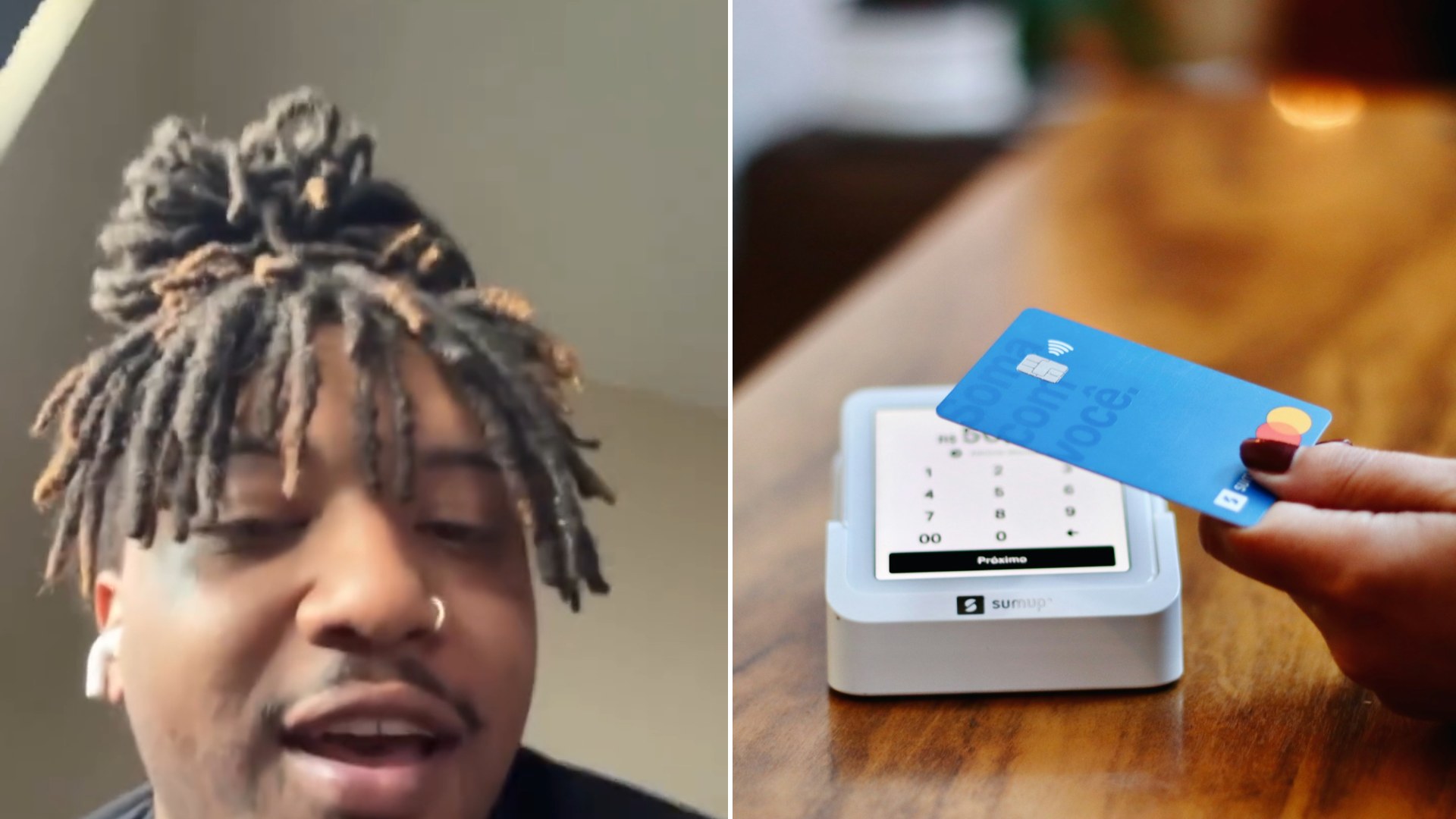
Discovering your credit card has been used without your permission is unsettling enough. One creator apparently took it a step further, tracking down the people he believes actually used it.
Posting on Instagram as @1935st, the video is captioned with local flavor: “ONLY IN LA 🚩🤣#california #losangelas #viral #richrabbit #losangeles.” According to the video, the creator investigates and confronts two individuals who allegedly used his stolen credit card — a direct, real-time pursuit of accountability rather than simply reporting the fraud and waiting for a resolution through the bank.
The video doesn’t specify how he identified the individuals or the full sequence of events leading up to the confrontation, but the caption’s tone — treating the whole ordeal as an almost absurd, “only in LA” kind of story — suggests the encounter unfolded with a mix of genuine frustration and disbelief at the situation he found himself navigating.
The video reached a wide audience, drawing 1.6 million views on an account with 58,000 followers — a strong multiple that reflects broad public interest in stories where someone takes matters into their own hands after being victimized by fraud.
Treating the whole situation with dark humor in the caption doesn’t take away from how unsettling it can feel to discover your own card being used without permission — a violation that’s financial in nature but often lands emotionally as well, given how personal a wallet or a bank account can feel.
Card fraud has grown significantly as more transactions move online and contactless, and investigators note that the window between a card being compromised and it being used is often measured in hours, which is part of why quick reporting matters as much as it does.
What to Do If Your Credit Card Is Stolen and Used
Discovering unauthorized charges on a credit card is unfortunately common, and while the instinct to track down whoever’s responsible is understandable, financial and safety experts generally advise against confronting suspected fraudsters directly — it can put you at real personal risk, and it isn’t actually necessary to recover your money or hold anyone accountable through the proper channels.
The right first step after spotting fraudulent charges is contacting your card issuer immediately to report the fraud and request a new card; under federal law, cardholders generally aren’t liable for unauthorized charges reported promptly, and most issuers have a straightforward, well-established dispute process. Filing a police report is also worth doing, even for what feels like a small-dollar fraud case — it creates an official record that can matter for insurance purposes or if the case turns out to be part of a larger pattern.
If you’re able to identify who used your card, providing that information to your bank’s fraud department and to law enforcement is generally more effective, and considerably safer, than a personal confrontation. Fraud investigators have tools — including cooperation from merchants and payment processors — that can pursue a case far more thoroughly than an individual can on their own, without putting anyone at physical risk in the process.
It’s also worth setting up transaction alerts on every card you carry, if you haven’t already — most banks offer free, instant notifications for any charge over a chosen threshold, which is often how fraud gets caught within minutes rather than days, giving a cardholder the fastest possible path to freezing a compromised account before further damage is done.
If you ever do identify a suspect independently, sharing that information with law enforcement rather than confronting them directly also protects any eventual criminal case — evidence gathered improperly by a private citizen can sometimes complicate rather than strengthen a prosecution.
You can watch the full video and follow @1935st on Instagram for more.
Leave a Reply