
A bachelorette weekend meant to be filled with joy and celebration quickly spiraled into a distressing experience for one married woman when she was nearly kissed by a drunken man. What transpired during the trip, which cost her $1,000 and was supposed to be a highlight in her life, left her feeling unsafe and unsupported, prompting her to leave early. The aftermath of this incident raises questions about friendships, accountability, and the responsibility of those present to protect one another.
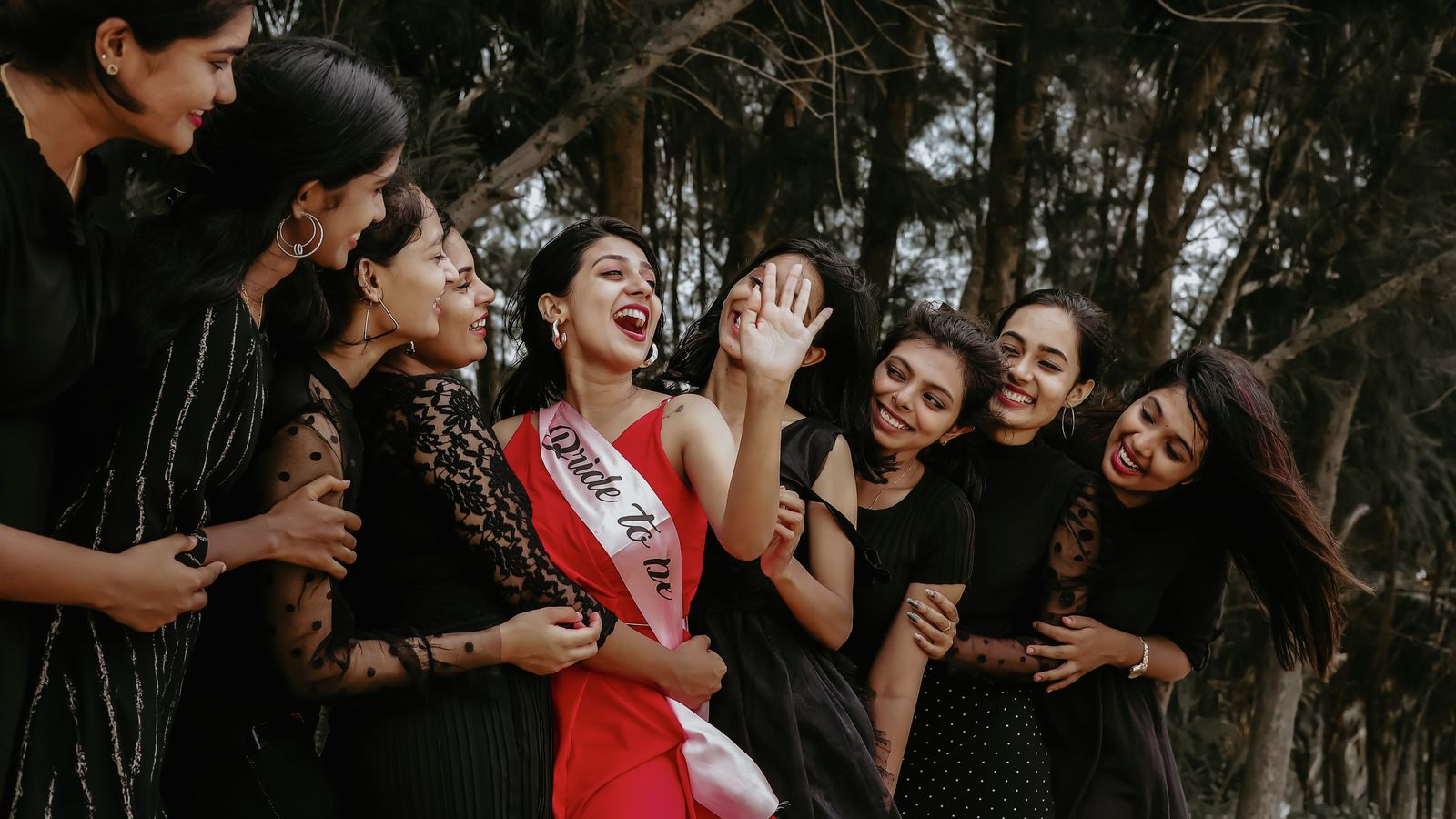
The poster, who attended the trip with a group of friends to celebrate the bride, was initially excited about the weekend ahead. The festivities began well, until a night out escalated when one of the attendees—a man who had been drinking heavily—grabbed her unexpectedly and attempted to kiss her. This alarming encounter left her feeling violated and triggered an anxiety response that would shadow her for the remainder of the trip.
As the weekend progressed, the bride and her close friends struggled to navigate the fallout from the incident. Although the bride expressed regret over what had happened, she chose to dismiss the seriousness of the man’s actions, suggesting he simply needed “correction.” The poster felt her concerns were invalidated when the bride remarked that he was a “good person” who just “doesn’t act like a human.” This mentality led to a troubling dynamic where the poster was cast as the one overreacting, while the drunken man’s presence was normalized.
The tension reached a boiling point during a dinner outing, where the poster’s apprehension mounted as the man returned, visibly intoxicated. Despite her attempts to avoid him, he cornered her in a parking lot, insisting they talk. “I told him I don’t want to talk to him,” she recounted, feeling trapped. As the man continued to press her, her anxiety escalated, culminating in a response many would find relatable: she ran away to vomit from the sheer adrenaline and panic of the confrontation.
As she endured the rest of the dinner, the poster found herself once again feeling alone. While the drunken man wallowed in self-pity, surrounded by supportive hometown friends who urged him to enjoy himself, she was left in the shadows, crying and feeling isolated. “It was crushing to watch them go so out of their way to cheer him up but not offer me any simple kindnesses,” she reflected, highlighting the stark contrast in how their group dynamics shifted after the incident.
Ultimately, the poster decided to leave the trip early, realizing that her safety and mental well-being had to come first. Her departure was met with relief from the group, who seemed more preoccupied with the disruption to their festivities than with her distress. Meanwhile, her husband expressed disbelief at how the situation was being handled and stressed the seriousness of the man’s actions to the groom, emphasizing that ignoring such behavior was unacceptable.
In the aftermath of the trip, the poster felt the weight of her decision to leave but also a sense of relief. Back home with her husband, she reflected on the experience, acknowledging her feelings of anxiety and regret. The entire weekend, designed to celebrate friendship, love, and happiness, had instead exposed fractures in her social circle and raised questions about loyalty and empathy.
Reactions from readers centered on the emotional turmoil caused by the incident. Many commended the poster for prioritizing her safety and well-being, supporting her decision to distance herself from both the perpetrator and the friends who failed to validate her experience. The overwhelming sentiment pointed to the need for accountability and the importance of standing up against inappropriate behavior, especially within close-knit groups.
As the poster moves forward from this disheartening experience, the unresolved emotions linger, leaving her to grapple with both the trauma of the encounter and the disappointment in her friends’ response. A weekend meant for celebration has shifted into a profound reminder of the complexities of relationships and personal boundaries.
More from Willow and Hearth:
Leave a Reply