In a world where personal time often feels like a myth for busy parents, one woman’s inquiry about napping as “me time” has sparked a lively discussion on the nature of self-care. A married mother of two, 34F, recently shared her struggles in balancing motherhood and personal freedom, questioning whether a short nap could truly qualify as the “me time” she desperately craves, or if it’s merely a band-aid for her exhaustion.
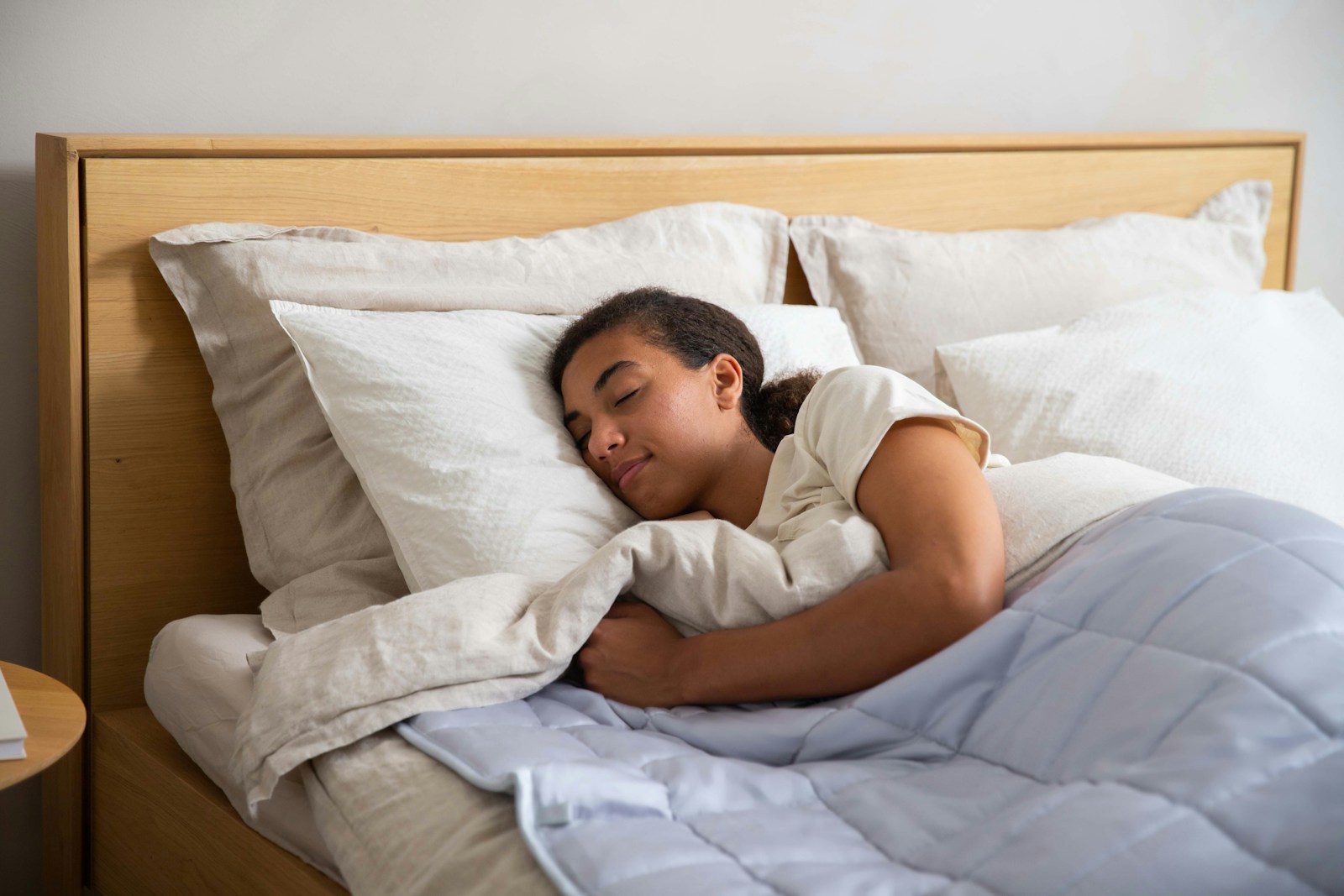
After 14 years of marriage to her husband, 35M, the poster has found herself increasingly frustrated with her husband’s perception of what constitutes personal time. She explains that whenever she manages to sneak in a quick nap of 30 minutes to an hour, her husband considers it a form of “me time.” But for her, the lines are blurred between truly recharging and simply recovering from relentless duty as a mom. “I never considered it that way,” she expressed, revealing a deeper yearning for time that feels genuinely hers.
The poster’s day-to-day life is a whirlwind of responsibilities. Balancing the demands of family life leaves little room for personal indulgences or self-care routines. From squeezing in a shower to painting her nails, the few moments she carves out for herself are often overshadowed by the sense that she’s still operating in “mom mode” or “wife mode.” The conflict with her husband suggests a lack of understanding of her emotional and physical needs—frustratingly, he views her brief rest as sufficient recovery time.
Readers have chimed in with their thoughts on the topic, echoing the poster’s sentiments. Many expressed sympathy over the disconnection between partners regarding individual needs for rest and relaxation. One commenter suggested that the issue might not just be about napping. They highlighted that both partners need to openly discuss their definitions of “me time” to achieve a mutual understanding and support each other’s needs. Others reflected on their own experiences, sharing that personal time is not just about physical rest but psychological restoration as well.
As the conversation unfolded, many readers empathized with the poster’s plight, noting that the assumption that a nap can equate to genuine self-care underscores the societal expectations placed on mothers. They urged the importance of recognizing the difference between simply catching up on sleep and actually recharging one’s emotional batteries. For her, a nap is not the same as indulging in a hobby, taking a long walk, or enjoying a moment of solitude away from family responsibilities.
Despite the support, the poster’s husband seems to remain fixed in his belief. His tendency to equate short naps with “me time” creates an ongoing tension in their relationship, leaving the mother feeling trapped between exhaustion and her need for personal freedom. This disconnect may serve as a wake-up call for many couples navigating the complexities of shared responsibilities and differing perceptions of personal needs.
While the poster grapples with this question, she finds herself at a crossroads of wanting her husband to understand her viewpoint and the reality that her little snippets of rest may not fulfill her need for self-care. Will she be able to communicate her needs effectively, or will this tension remain unresolved between them? As this story continues to resonate with many who have walked a similar path, it raises an essential question about the balance of caregiving and self-preservation in relationships.
More from Willow and Hearth:
Leave a Reply