
After moving to a new home, a mother of three finds herself grappling with not just the chaos of relocation, but deeper issues within her long-term partnership. The emotional burden she carries in managing her family life has culminated in feelings of isolation and frustration, particularly as her husband’s behavior raises unsettling red flags.
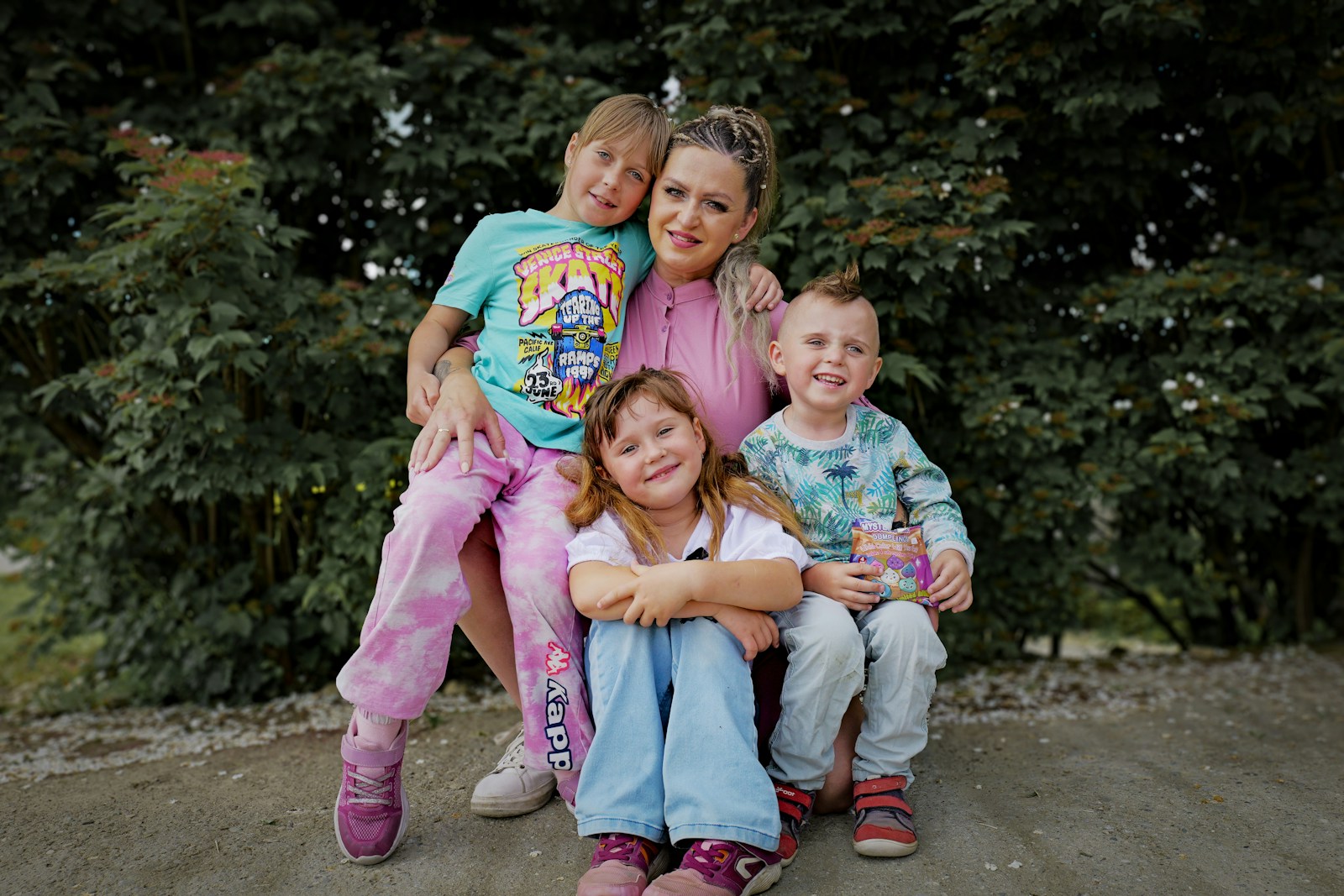
The poster, a 29-year-old woman, has been navigating her relationship with her 33-year-old partner for several years, managing both their lives and the lives of their children. As they transitioned into their new home, the stress of moving only amplified a growing concern. She describes a troubling dynamic where she feels solely responsible for the household’s mental load—scheduling childcare, managing finances, and planning family activities—all while her husband contributes only financially and takes on sporadic tasks.
What weighs heavily on her is not just the distribution of chores but how her partner reacts to conflict. If she voices her opinion, even on trivial matters such as food preferences, she feels as though she’s been put on trial. “I feel like I can’t have an opinion,” she writes. “I’m told I’m wrong, and it turns into long conversations where I feel interrogated or lectured until I eventually just agree to end it.” This manipulation and emotional coldness creates an atmosphere of tension in a home that should be a sanctuary.
Her husband’s conflict resolution skills are alarming, often resulting in withdrawal rather than dialogue. After a disagreement, he shuts down, leaving her to navigate the aftermath alone as she carries on with the children and household duties. Phrased as needing to “feel his feelings,” this behavior can last for hours or even days, leaving her feeling abandoned and anxious.
In the heat of arguments, he has resorted to hurtful language, calling her “disrespectful” and “emotionally controlling,” and even labeling her a “predator.” Such statements linger long after the argument ends, creating emotional scars that complicate their already fragile relationship. The poster recounts an incident during their move where her husband harshly reprimanded her in front of a friend, prompting the friend to later reach out and express concern about his behavior.
Things took a particularly uneasy turn during a recent party when her husband displayed jealousy over a longtime male friend interacting with her. His reaction was alarming enough that several bystanders felt compelled to ensure she got home safely. She recalls him saying those friends didn’t have her best interests at heart, despite him having previously maintained a close relationship with a woman while she was pregnant, dismissing her discomfort at the time. This troubling pattern deepens her feelings of isolation as he discourages her from discussing their relationship with friends, forcing her to bottle up her concerns.
As the couple settles into their new home, the poster has noticed an unsettling shift. Decisions about shared spaces and household purchases are being made unilaterally by her husband, leaving her feeling like a guest in a home that should belong to both of them. To make matters worse, he has developed a newfound camaraderie with a younger female coworker, a change in behavior that has not gone unnoticed. This newfound friendship raises eyebrows, especially since he previously criticized her social interactions.
In the wake of these events, the poster finds herself trapped in a cycle of trying to maintain peace, managing the household, and suppressing her own feelings. She describes her emotional exhaustion and uncertainty, wondering if she’s overreacting or if she’s truly facing an untenable situation.
Comments from readers reflect both sympathy and concern, with many focusing on the need for open communication and mutual respect in a relationship. Some noted that her husband’s behavior could be indicative of deeper issues and might require both partners to seek help. Others empathized with the struggle of feeling unheard and unvalued within a shared partnership, emphasizing the importance of equal emotional investment.
As the poster grapples with her feelings and her partner’s behavior, she faces a troubling crossroads, leaving the audience to wonder if this relationship can be salvaged or if it’s time to reconsider her path forward.
More from Willow and Hearth:
Leave a Reply