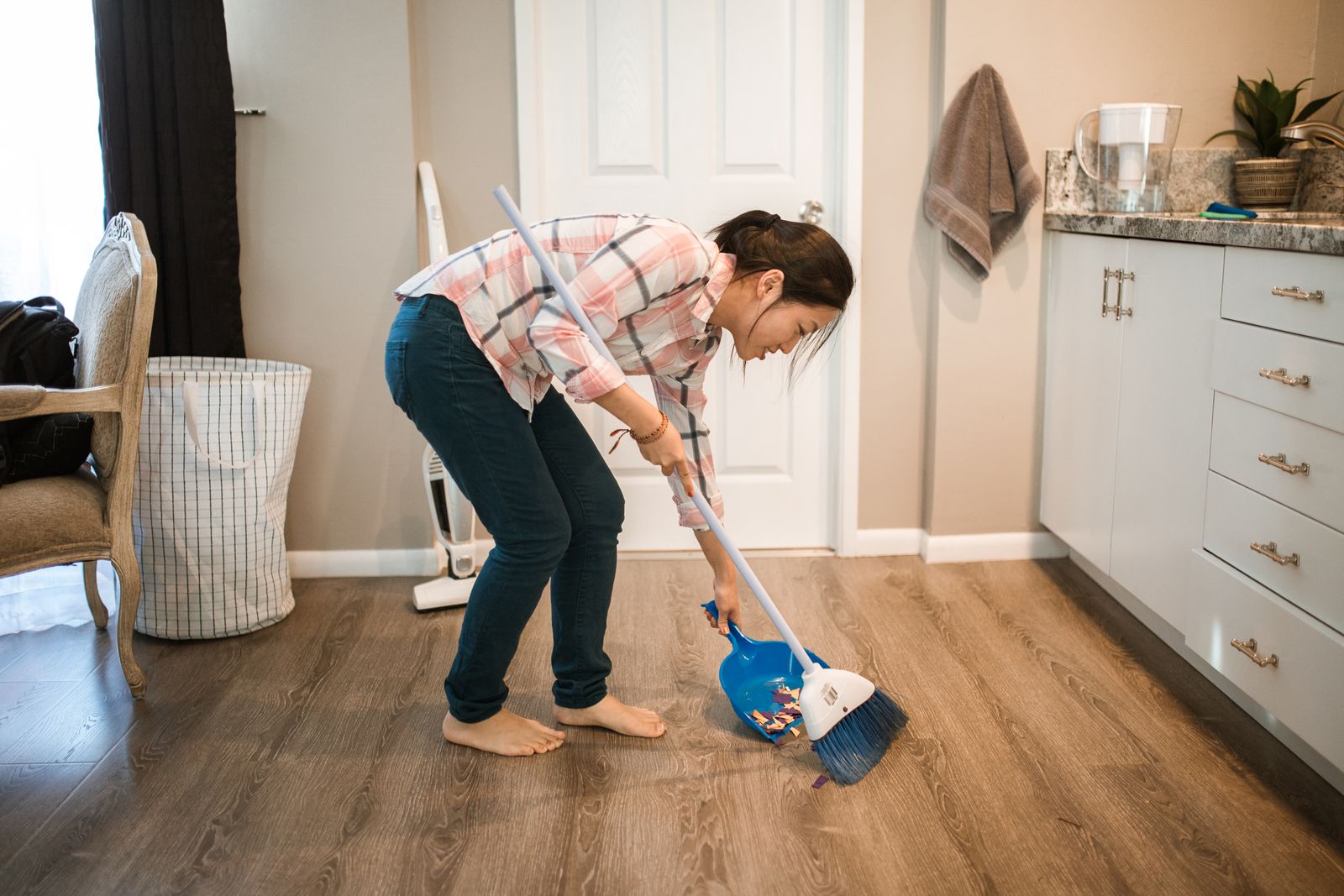
A young teenager found a creative loophole in her mother’s strict new house rules regarding cleanliness. After moving to a new home, the girl, who had grown accustomed to a chaotic living space filled with items strewn across her floor, was told by her mother that her room must remain tidy. However, instead of adhering to the expected standards, she opted for a clever workaround that left her mother both amused and exasperated.

The story began with a typical life change: a family moving to a new house. In their previous home, the girl had developed a reputation for being messy, as her floor was often a chaotic display of tissues, delivery boxes, and personal belongings. Her mother noticed this pattern and issued a stern warning: the new house would be different, and she expected the girl’s floor to stay clear of clutter.
However, the girl took her mother’s instructions and shifted her mess from the floor to other surfaces, particularly her bed. “My bed is that covered in stuff,” the girl reflected, mentioning how her once tidy sleeping space had transformed into a makeshift repository for her belongings. The situation drew a familiar question from her mother every time she entered the room: “Where do you sleep?”
During a recent family cruise, the girl discovered that her tendency to create a ‘nest’ on her bed was a long-standing habit. Items were organized around her sleeping space, each placed with deliberate intent, creating a unique ecological system of personal items. Her family even began to refer to this phenomenon as a skill. The teenager felt a sense of pride in her newfound ability to keep her floor clear, even as the surfaces above ground became increasingly cluttered.
In the age of social media, such stories often attract a variety of reactions, and this one was no different. Readers were quick to recognize the irony in the girl’s strategy, with some even applauding her for her cleverness. “What a smart way to get around the rules!” one commenter noted, finding humor in the daily struggle between parenting and personal space.
Others pointed out the potential for a negotiation about cleanliness in the family dynamic. “Maybe it’s time for a family meeting about what ‘clean’ really means,” suggested another reader, highlighting the often murky definitions of household order. Many expressed sympathy for both the girl and her mother, recognizing the challenges that come with establishing boundaries in shared living spaces.
The humor of the situation didn’t go unnoticed. Readers chuckled at the absurdity of a bed that resembled a cluttered disaster zone, contrasting sharply with the girl’s pride in her clean floor. While the mother meant to instill discipline and responsibility, her daughter’s technicality raised questions about how far rules can be bent before they lose their intended purpose.
As the tale of the girl’s cluttered bed continued to circulate, it resonated with those who have faced similar situations. It painted a vivid picture of the everyday negotiations that take place between parents and children—what seems like a simple rule can quickly spiral into a humorous dispute. The humor in the child’s sly workaround seems to have struck a relatable chord with many.
Though the tension between mother and daughter appeared to be lighthearted, it highlights an ongoing dynamic in family life: the balance between expectations and individual habits. While the girl may have technically followed her mother’s directive, the reality of a bed overflowing with belongings leaves the question of ‘solution’ hanging in the air. As both mother and daughter navigate this peculiar yet relatable challenge, one thing is clear: cleanliness is a concept that can vary greatly from one person to another.
More from Willow and Hearth:
Leave a Reply