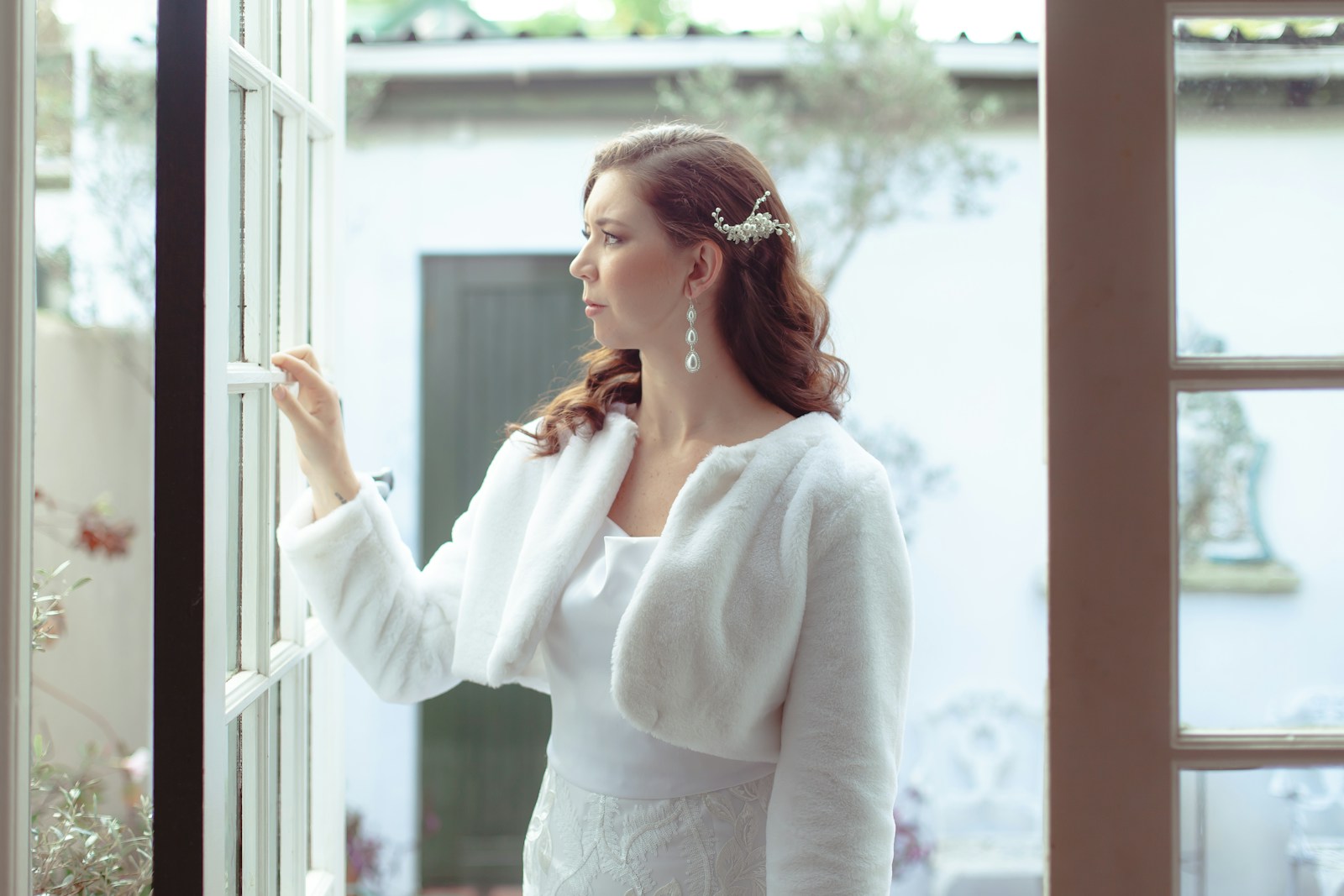
In a whirlwind of family dynamics and festivity, one woman’s choice of attire ignited a simmering conflict that many found both perplexing and relatable. The poster, a bride from Argentina, found herself grappling not only with her joyous nuptials but also with her mother’s fashion choices—a series of white outfits that skirted the boundaries of wedding etiquette.

The saga began years prior, at the wedding of the poster’s uncle, where her mother arrived in a strikingly white dress complemented by a red belt. While the poster initially dismissed the incident as an unfortunate oversight, the true drama unfolded at her own civil wedding just months later. Her mother again donned a stark white outfit, leaving the bride feeling somewhat overshadowed on her special day. Although the poster tried to shake off her feelings of discontent, she couldn’t ignore the pattern.
Determined to address the issue head-on before the church wedding—a ceremony the poster described as the most important of all—she approached her mother. During their conversation, the mother expressed a heartfelt apology and promised to choose a more appropriate outfit for the upcoming celebration. She explained that her preference for white stemmed from her belief that it made her look better, as much of her favorite formal wear seemed to come in that color. Understanding her mother’s affection for fashion, the poster accepted her reassurances, hopeful for a more harmonious family experience.
Fast forward to the church wedding, and the poster was greeted by a mix of relief and discontent. Her mother’s pants were indeed brown, signaling some improvement, but the blouse was an almost-white shade of beige. “It’s not exactly white,” the mother insisted, seemingly oblivious to the subtle transgression. The poster couldn’t help but feel the color pushed the limits of acceptable attire for a wedding guest, and she found herself questioning her own reactions long after the celebration ended. Did this mild defiance of expectations matter, or was she being overly sensitive?
As the story spread online, many readers were drawn into the drama. Some expressed sympathy for the bride, understanding how difficult it could be when familial bonds interfere with cherished traditions. Others, however, perceived her mother’s choices as a blatant disregard for wedding etiquette, suggesting that her fashion preferences needed to take a backseat on such significant occasions. While the mother had tried to comply by opting for brown trousers, many insisted that wearing any shade closely resembling white was a faux pas that could not simply be brushed aside.
The reactions showcased a diverse range of opinions, illustrating how wedding attire can become a lightning rod for deeper familial issues and expectations. Some noted that this incident highlighted a potential lack of awareness around boundaries and respect for the bride’s wishes, while others wondered if the mother’s insistence on a “light beige” blouse reflected a generational gap in understanding wedding norms.
Despite differing opinions and some lighthearted banter in the comments, the core conflict lingered: the poster was left to navigate her feelings about her mother’s choices and the impact they had on her special day. As the months passed, the poster found herself reflecting on the clashes between personal preference and tradition, and whether this was just the beginning of complexities in family dynamics surrounding such life milestones.
More from Willow and Hearth:
Leave a Reply