
A daughter finds herself in a peculiar and painful standoff with her father, who has resorted to the silent treatment—a calculated punishment often wielded by narcissists. What began as a typical family conflict spiraled into nearly a month of silence, and surprisingly, the adult child is finding unexpected relief in the absence of their usual arguments. Rather than feeling distressed, the poster describes a newfound sense of peace that has come from disengaging from the relentless emotional battle.
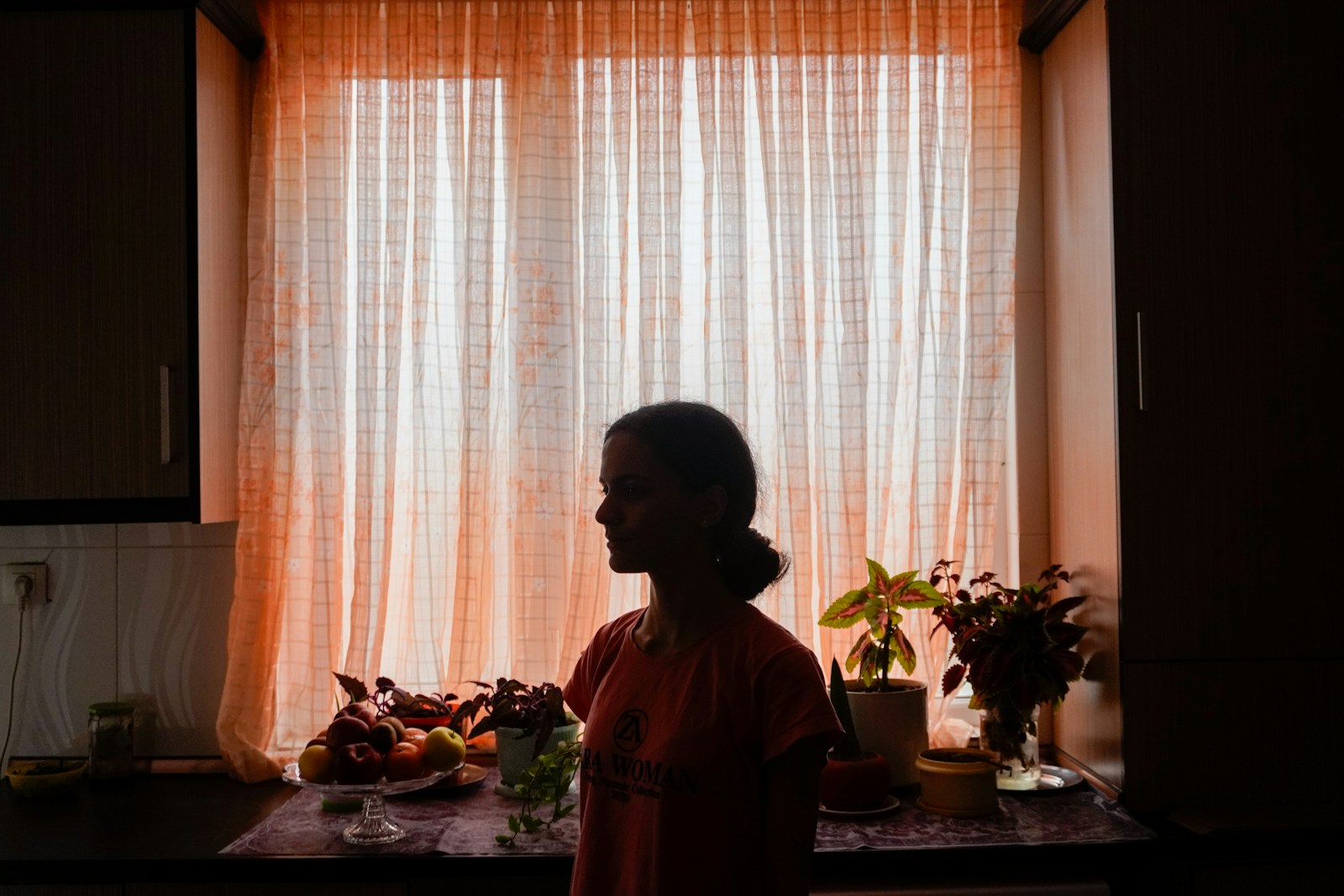
For years, the poster struggled to understand her father’s behavior until it became clear that he exhibited narcissistic traits. This month, after a disagreement, the father responded with his signature tactic: silence. Attempts to reach out to him were met with radio silence, and instead of direct communication, he enlisted the help of the poster’s mother to relay any messages or needs. Family gatherings became strained, with only the barest exchange of polite greetings marking their interactions.
“It’s weird or bad that I don’t mind it?” the poster wondered, questioning her own emotional response. The absence of his voice, often filled with criticism or dramatics, has become a welcomed reprieve from a cycle she no longer wishes to participate in. “We’ve been through this song and dance sooooo many times; I’d rather the communication be silent than nonstop arguing,” she stated, revealing how deeply the usual conflict had affected her mental state.
The silent treatment, usually wielded as a form of control, seems to have backfired for the father. His attempt to assert dominance and punish his child by cutting off communication has inadvertently led to her estrangement from the emotional turmoil that often accompanied their interactions. Instead of feeling the hurt and loss that he might have anticipated, the poster’s lack of concern speaks volumes about her changed perspective. “You can stress yourself out and raise your blood pressure over this,” she reflected. “I’m done.”
In response to her post, some readers empathized with her situation and praised her for finding strength in her decision to step back. Many highlighted the stark contrast between her father’s expectations and her newfound independence from the family dynamic. “Good for you for breaking the cycle,” one commenter remarked, while another echoed similar sentiments, emphasizing the importance of prioritizing one’s peace over toxic relationships.
Others pointed out the manipulative nature of using the mother as a go-between, which only further illustrated the broken communication within the family. They noted that this tactic was part and parcel of the larger pattern of narcissistic behavior, where emotional manipulation serves as a means to maintain control. Comments reflected a shared understanding of the convoluted dynamics that often arise in families dealing with narcissism, with many expressing relief that the poster is finding a way to carve out her peace.
As the month of silence drags on, the question of what happens next lingers. Will the father eventually break this stalemate, or has he unwittingly lost the power he once held over his daughter? What once felt like an unbearable punishment may now be perceived as a liberation of sorts for the poster, who has come to value her own tranquility over the toxic exchanges that used to dominate their relationship.
More from Willow and Hearth:
Leave a Reply