When neighborhood dynamics become tangled with familial obligations, the consequences can lead to chaos. In a suburban community, one young woman found herself navigating a complicated web of kids, crafts, and conflict after a new addition to the playgroup turned a fun outing into a nightmare.

The poster, a 21-year-old who often babysits her cousins, welcomed several neighborhood kids to join in on the arts and crafts fun in her backyard. This arrangement initially seemed cheerful and collaborative, but it turned sour when one particular child, Henry, was invited into the fold without her consent. A series of events unfolded that would prompt a wave of tension between neighbors.
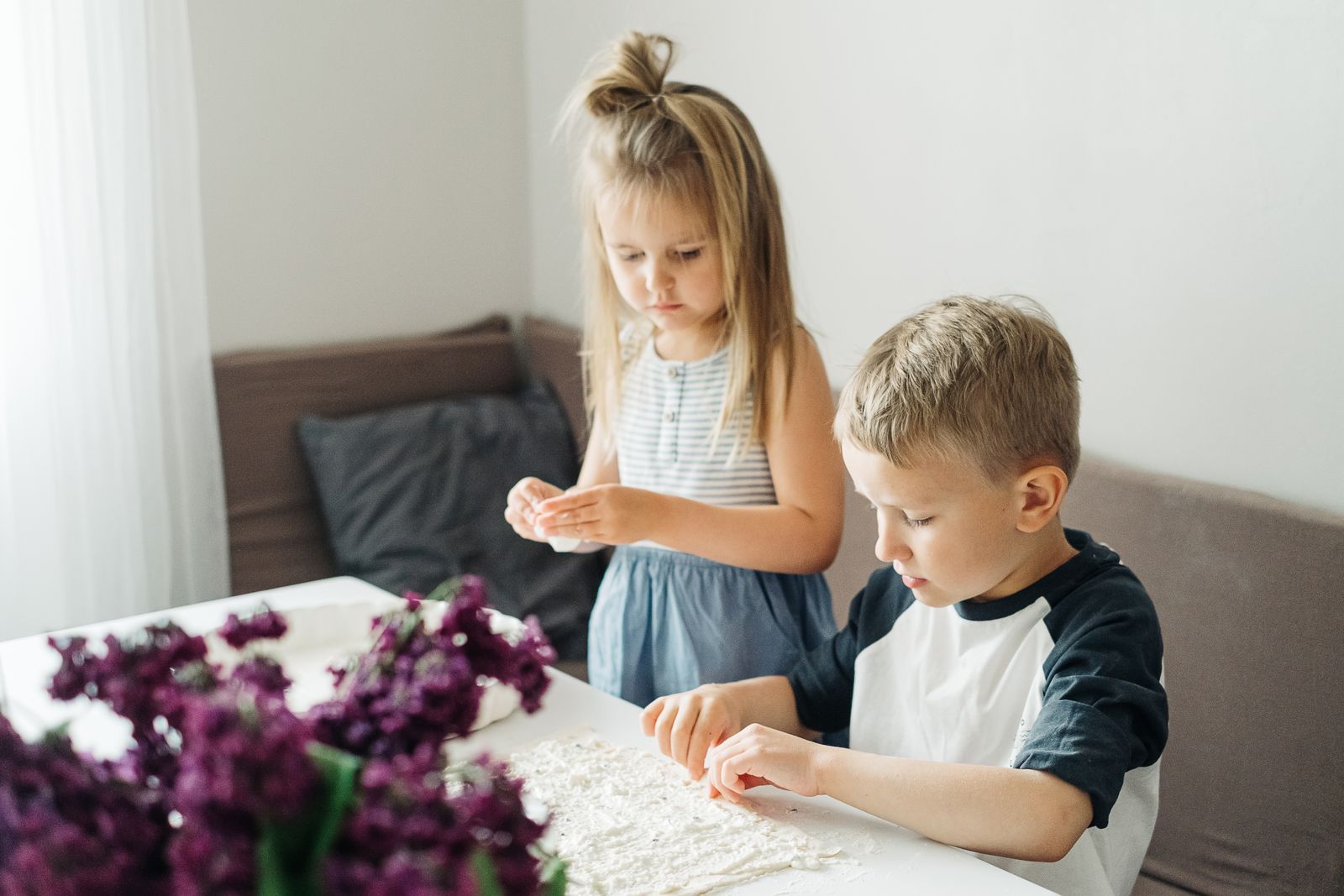
It all began innocently enough. The poster had been creating fun craft activities for her cousins—ages 10, 7, and 5—when Sandra, a neighbor, asked if her kids could join. The more, the merrier, she thought, and soon groups of neighborhood children were crafting together. However, her mother made unilateral decisions, inviting more kids without consulting her, which often left the poster scrambling with supplies.
Then came the fateful day when Henry, an 8-year-old son of another neighbor, was invited to join the group. What was meant to be a joyful exploration of air-dry clay quickly devolved into chaos. Henry pushed other children, monopolized the clay, and threw a tantrum when asked to wait. The situation escalated when he dashed into the poster’s bedroom, spotted her iPad, and, despite her mother’s attempts to retrieve it, threw the device to the ground, cracking the screen.
The poster’s frustration peaked, leading her to pack up their art supplies and send everyone home. While she expected her mother to take her side regarding the damaged iPad, her request for Melinda to cover the repair costs was met with defensiveness. Instead of an apology, Melinda slammed the door in her face when she sought restitution. Ultimately, the poster opted to absorb the repair costs herself, a decision that would come back to haunt her.
The following week, during another craft session, the poster’s mother invited the neighborhood kids again—but this time, she made the choice to exclude Henry. When Melinda discovered this, she arrived at the door demanding that Henry be allowed to join the other children. The poster stood her ground, insisting that Henry’s previous behavior made it unacceptable for him to participate. After a heated exchange, she ultimately closed the door, but Melinda remained outside, waiting for the poster’s mother to return.
When the poster’s mother arrived back from the store, Melinda unleashed a torrent of anger, which led to a standoff. Despite the poster’s objections, her mother allowed Henry inside, prompting the poster to threaten to pack everything away if he remained. The other kids, hearing this, became upset, but in the end, Melinda was forced to take Henry back home, marking a rare victory for the poster.
The aftermath saw Melinda taking to social media to vocalize her grievances about being excluded from the neighborhood gathering, which resulted in an unexpected fallout: the other two mothers began withdrawing their children from the poster’s home. Despite feeling like a villain for limiting the kids’ fun, the poster felt she had no other choice but to set boundaries with Henry.
Reactions to this neighborhood drama highlighted a mix of sympathies. Some readers empathized with the poster’s plight and sided with her decision to exclude Henry, recognizing that not all kids are fit for every situation. Others were more concerned with the ripple effect of her decision, pointing out that the fallout seemed disproportionate to the initial conflict. While many held strong views about Melinda’s behavior, there was an underlying consensus about the struggle of navigating shared spaces and communal activities.
As the dust settled, the poster found herself in a bind. She had successfully kept Henry out of her home, but at what cost? With tension rising among neighbors and a potential rift forming in the community, the next steps remained uncertain. Could harmony be restored, or would the art of crafting together be lost to unresolved grievances?
More from Willow and Hearth:
Leave a Reply