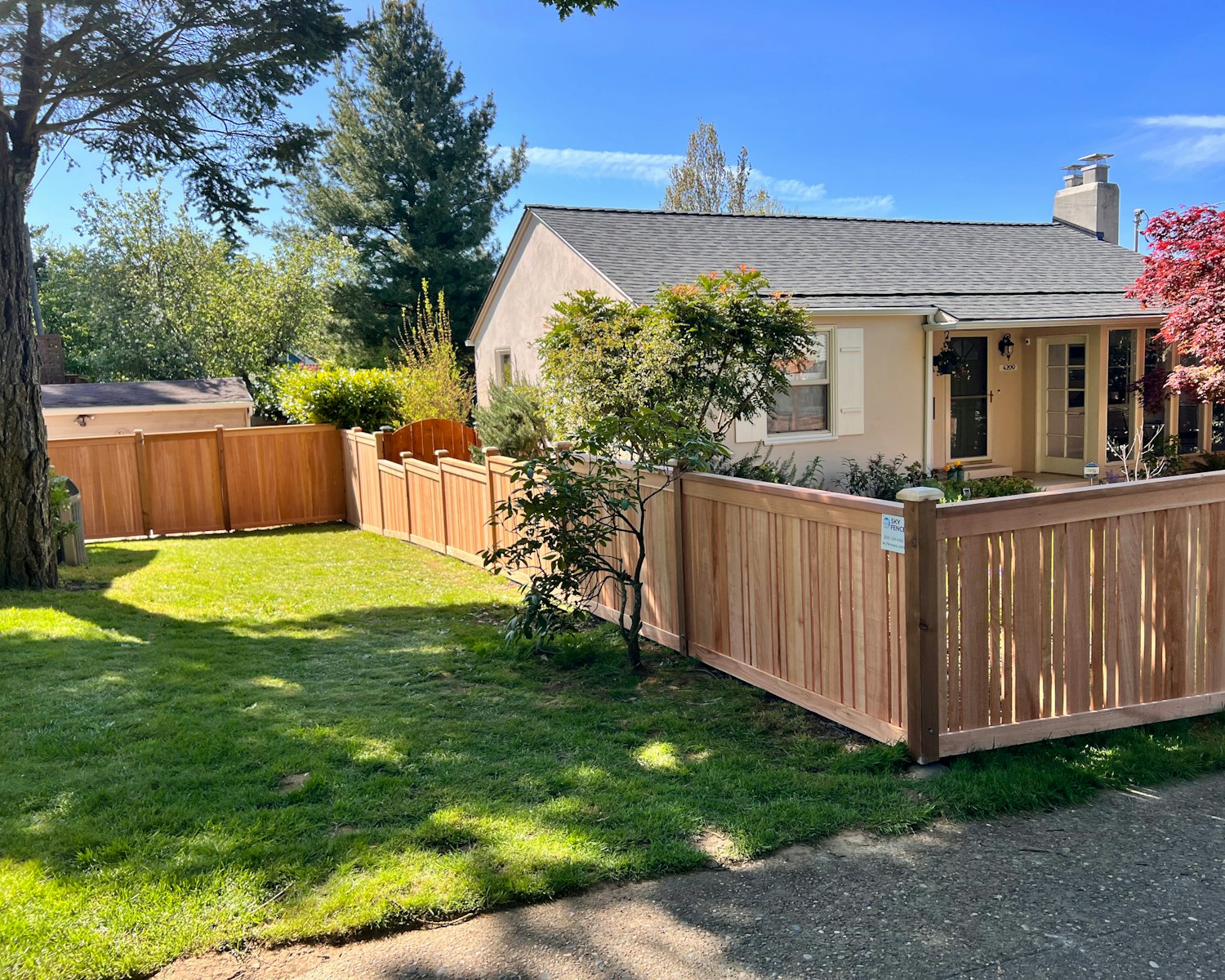
A fence that has stood in the same spot for decades feels like a settled fact of a property. A new survey can undo that assumption in a single afternoon, and disputes over exactly where a boundary line actually sits remain one of the most common — and most bitter — fights between neighbors.
How an Old Fence Becomes a New Lawsuit
Boundary disputes typically surface during a sale, a refinance, or a new construction project, any of which can trigger a fresh survey that reveals a fence, hedge, or other structure sits on the wrong side of the actual property line — sometimes by inches, sometimes by several feet. Because the fence may have stood in that exact location for years or decades without objection, the situation often intersects with adverse possession law, which in some states can allow a neighbor to gain legal rights to a strip of land they have openly used and maintained for a long enough period, even if a survey later proves the formal deed line sits elsewhere.
Why “It’s Always Been There” Is Not Always a Winning Argument
Adverse possession claims are notoriously difficult to win in practice, since most states require the encroaching use to be open, continuous, and treated as ownership — not simply tolerated — for a lengthy statutory period that commonly runs anywhere from five to twenty years depending on the state. A neighbor who occasionally mowed a strip of disputed grass is in a much weaker legal position than one who built a permanent structure on it and maintained that structure openly for the full statutory period, which is why these cases so often turn into detailed factual disputes about exactly how a boundary area was used over time.
What a Survey Actually Settles, and What It Does Not
A new boundary survey resolves the factual question of where the legal property line sits according to the recorded deed, but it does not automatically resolve who has the right to the disputed strip if an adverse possession claim is genuinely viable. That gap is exactly where these disputes tend to escalate from an awkward conversation into formal litigation, since neither a satisfied nor a dissatisfied neighbor can simply point to the new survey and consider the matter closed.
How These Disputes Usually Get Resolved
Real estate attorneys who handle boundary disputes say the fastest and cheapest resolution is almost always a negotiated boundary line agreement between the neighbors, formally recorded with the county, rather than pursuing a costly adverse possession claim through the courts. For homeowners facing a fresh survey that contradicts a decades-old fence line, the practical first move is a conversation and a proposed agreement — litigation remains available, but it is rarely faster, cheaper, or less stressful than neighbors simply agreeing in writing to where the line actually sits going forward.
Leave a Reply