A Deadline, a Deal, and a $20 Million House on the Line
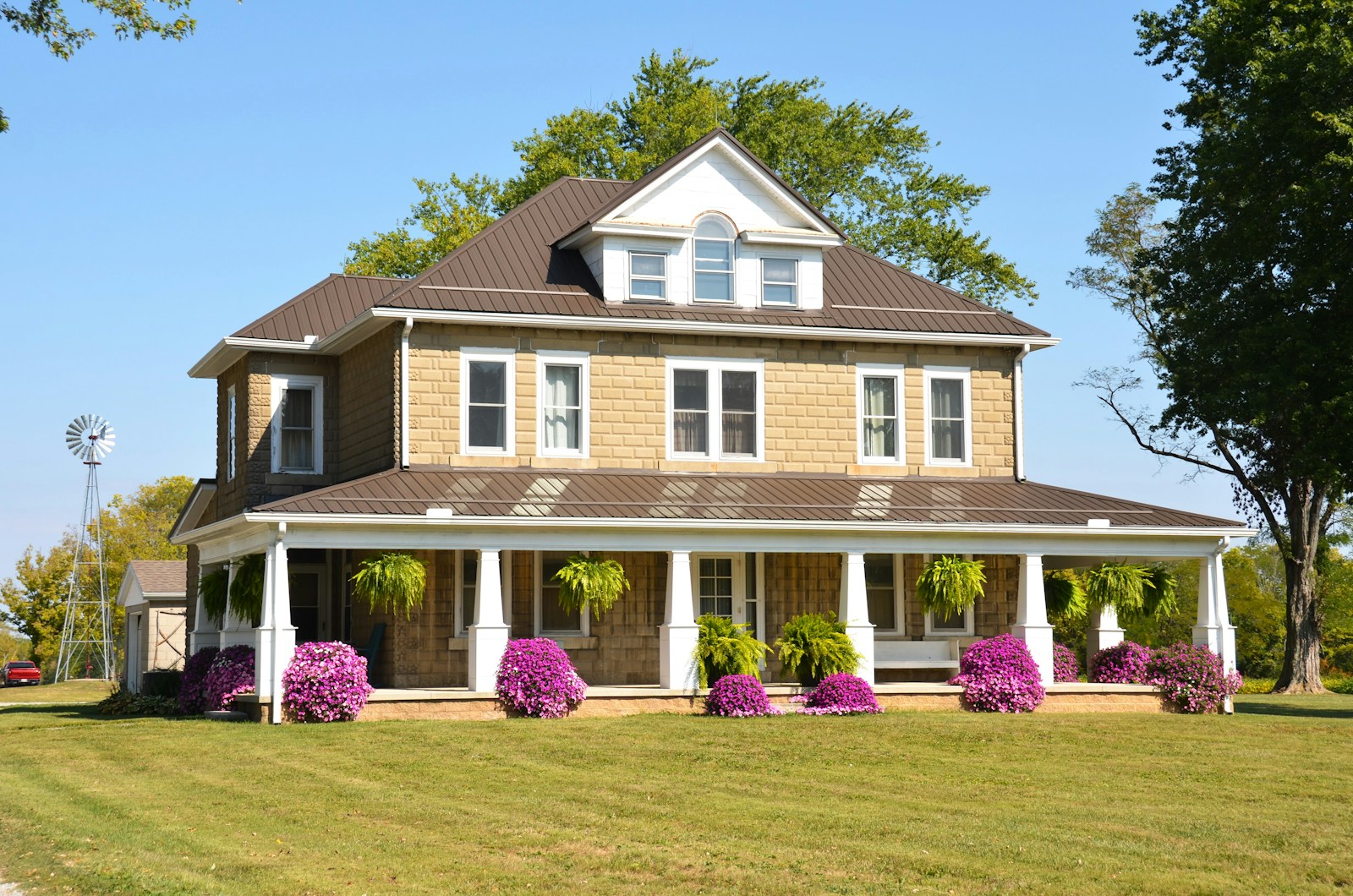
Nicki Minaj bought her Hidden Hills estate in December 2022 for close to $20 million, according to TMZ’s original report on the purchase. Gated, sprawling, and tucked into one of the same guard-gated enclaves that house Kim Kardashian and Drake, it is the kind of property most people only see in aerial real estate photos. By January 2026, that same house was hours away from being put up for a court-ordered sale to pay off a debt that had nothing to do with the mortgage.

The debt traced back to 2019. A security guard named Thomas Weidenmuller sued Minaj and her husband, Kenneth Petty, alleging Petty assaulted him backstage at one of her concerts that year. Minaj and Petty never responded to the suit, and a court entered a default judgment against them in March 2024 worth $503,318.02, according to TMZ’s court-filing-based reporting. Minaj has said she was never told about the lawsuit by a former business manager, but a default judgment does not care why someone missed it. Once it is entered, it is collectible, and Weidenmuller’s attorneys went after the one asset large enough to satisfy it: the Hidden Hills house.
By late 2025, a judge had signed off on moving toward a forced sale of the property specifically to cover the unpaid judgment, a step Rolling Stone reported put the rapper on a real, dated collision course with losing the home. That is not a routine outcome. Courts do not order the sale of someone’s primary residence lightly, and getting to that point generally means every earlier, gentler collection method — wage garnishment, bank levies, payment plans — has already failed or been ignored. Once a forced-sale order is in motion, the clock does not pause for negotiations. It runs until someone pays or a sheriff’s sale gets scheduled.
Minaj’s team paid. But they paid at what her own reporting camp and outside outlets both described as the last conceivable moment. Celebrity Net Worth’s account of the payoff frames it as coming down to a single signature standing between the house and an auction notice. The settlement landed the night before a scheduled January 22, 2026 court hearing, according to Rolling Stone’s follow-up reporting, which described the resolution as an “eleventh hour” deal. Weidenmuller’s own attorney, Paul Saso, told reporters covering the hearing that he “just found out about the settlement” shortly before proceedings were set to begin — a detail that underscores how compressed the final hours actually were. This was not a case winding down gradually with lawyers trading drafts for weeks. It was resolved essentially overnight, on the eve of the date that would have set the sale process in motion in open court.
What makes the timing land harder is what a forced sale of a house like this actually looks like in practice. It is not a quiet listing with a for-sale sign and open houses on weekends. A court-ordered sale to satisfy a judgment typically moves through a sheriff’s sale or judicial auction process, designed to convert the asset into cash for the creditor as efficiently as possible — not to get the homeowner top dollar. A $20 million custom estate sold that way can move for a fraction of its market value, and the former owner has essentially no leverage over price, timeline, or buyer once the process starts. Avoiding that outcome by hours rather than weeks is the difference between controlling your own asset and having a court do it for you.
The underlying math is almost jarring next to the house itself. A half-million-dollar judgment is real money by any ordinary standard, but it is a rounding error against a $20 million property. That gap is exactly why forced-sale motions over comparatively modest judgments keep showing up in the lives of extremely wealthy people: courts do not scale the remedy to the size of the debtor’s bank account, they scale it to whether the debt got paid. Minaj’s case is a reminder that a five-figure legal miss — an unanswered lawsuit, a default judgment nobody contested — can eventually put an eight-figure home on the clock. She managed to stop that clock with almost nothing to spare. Her earlier coverage of the looming sale order makes clear just how far the case had already progressed before it was resolved.
SOURCING NOTE: TMZ’s reporting on the settlement is grounded in court filings and hearing details, corroborated independently by Rolling Stone and theGrio; the exact dollar amount actually paid at settlement (versus the full $503,318.02 judgment) was not disclosed in any outlet’s reporting.
Leave a Reply