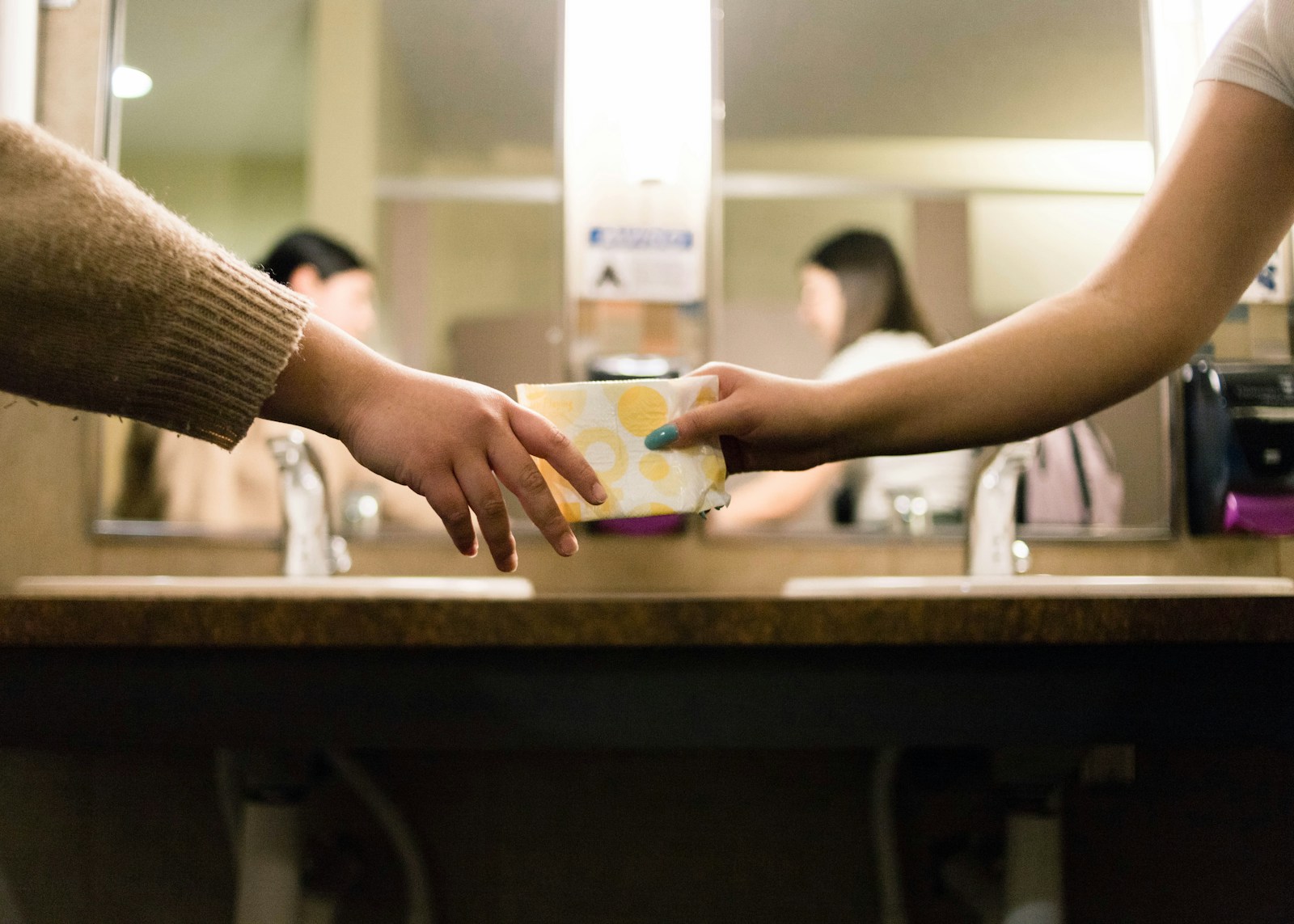
For many, the thought of using a public bathroom can be uncomfortable, but for one young woman, it has spiraled into a nightmare. At just 22 years old, the poster finds herself in a vicious cycle of abusing anti-diarrhea medication due to her crippling contamination OCD. Her struggle reveals a profound isolation, painful physical symptoms, and an overwhelming sense of shame.
The poster, a 22-year-old woman, opened up about her terrifying ordeal that began two years ago, when her anxiety surrounding public restrooms became unmanageable. “I experience genuine distress,” she shared, describing her anxiety as so intense that it leads her to tears and shaking. The mere idea of using a public restroom sends shivers down her spine, and to cope, she has turned to anti-diarrhea medication, taking it in increasingly high doses.
What began as a way to stave off her anxiety has now transformed into a dependency that she describes as an abusive relationship with the medicine. “I’m terrified of stopping,” she admitted, noting that her anxiety has escalated over the years. As a result, she finds herself trapped in a cycle that brings about dire physical consequences. She has suffered from abdominal pain, blood in her stool, and even bleeding when she wipes. Despite the dire situation, she continues to downplay her suffering, rationalizing her use of medication in a way that many can hardly comprehend.
In addition to the physical toll, the emotional burden weighs heavily on her shoulders. The poster has struggled with mental illness, particularly OCD, which she feels is often misunderstood. “I don’t know anyone who gets it,” she lamented, expressing her frustration at the stigma surrounding mental health. This isolation is compounded by her lack of friends, as she has been socially distanced since her primary school years. “I just wish I were a normal girl,” she said, conveying a sense of longing for a life unencumbered by her fears.
The poster’s comments reflect a poignant sense of desperation. Despite her awareness of the negative impact of her actions, she feels unable to seek help. “I haven’t seen a doctor in years, and I’m scared to admit what I do to myself,” she confessed, revealing her fear that an addiction label would follow her. This fear keeps her trapped, unable to find a way out of her predicament and feeling financially burdened by the cost of specialized therapy.
As the poster shared her painful journey, the community reacted with understanding and empathy. Readers resonated with her sense of isolation, reiterating the struggles of living with OCD while also highlighting the importance of reaching out for help. Many expressed shock at the physical consequences she faces, voicing concern for her health and urging her to seek professional help.
Some commenters focused on the difficulties of opening up about mental health, echoing her sentiments of shame and misunderstanding. They acknowledged the stigma that often accompanies mental illness and the barriers it builds between individuals and their ability to seek help. A few readers pointed out that while her dependence on medication may not fit the traditional mold of addiction, the impact on her life is no less severe.
Despite the supportive responses, the poster remains in a precarious situation, struggling with her situation while grappling with feelings of humiliation and despair. Her story sheds light on the often unseen, complex interplay between mental health and physical well-being. As she continues to navigate her painful reality, the audience is left hoping for a breakthrough moment that might lead her toward recovery.
More from Willow and Hearth:
Leave a Reply