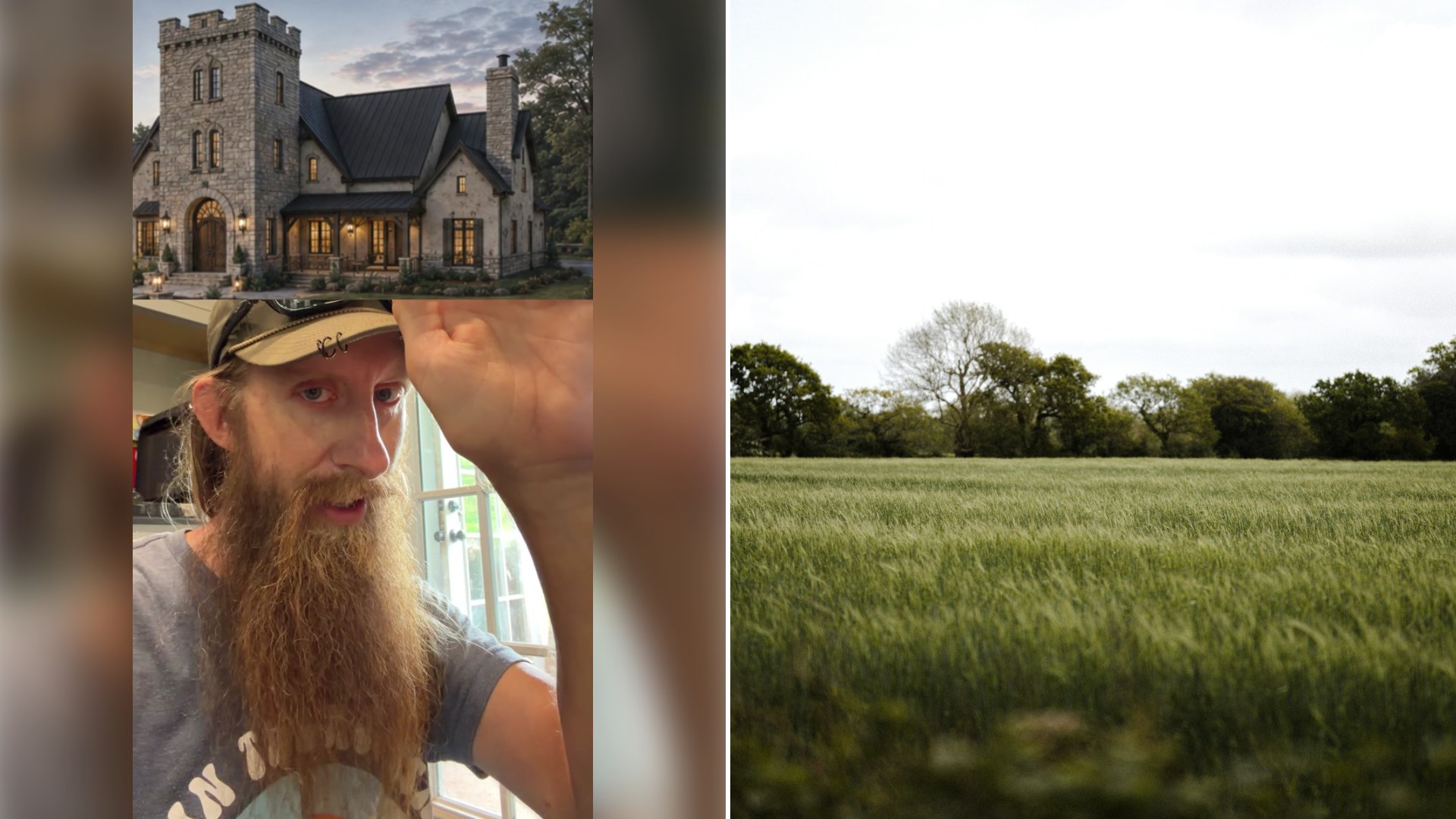
Building a self-sufficient life off the grid doesn’t exempt anyone from the realities of local government, and @natepetroski (TikTok) addresses that head-on, sharing his real concerns about rising property taxes threatening years of work on his homestead, and weighing the genuinely difficult dilemma of continuing to build on land he’s no longer certain he can afford to keep.
There’s a genuine irony at the heart of this dilemma that deserves real attention. Off-grid homesteading is often framed, both by its practitioners and its audience, as a form of escape from systems and dependencies, utility companies, commutes, consumer culture. Property taxes are a stark reminder that no amount of self-sufficiency actually severs the connection between a piece of land and the local government that continues to assess and tax it.
Rising property taxes have become a genuinely significant pressure point for rural and off-grid landowners specifically, often driven by factors entirely outside their control. As nearby areas develop, or as regional land values climb due to demand from buyers seeking exactly this kind of rural lifestyle, assessed values can rise substantially even when a homesteader’s own income and lifestyle remain deliberately modest and self-sufficient.
This creates a particularly cruel version of a broader affordability paradox playing out across much of rural America. The very popularity of off-grid and homesteading content, including videos just like this one, can contribute to rising land values in desirable rural areas as more buyers chase the same dream, potentially pricing out the original homesteaders whose authentic lifestyle made the area appealing in the first place.
It’s worth examining the specific financial bind this creates for someone pursuing self-sufficiency as a lifestyle rather than purely as an investment. Off-grid living often means deliberately reduced cash income, trading conventional employment for subsistence farming, bartering, or small-scale local sales, which makes a rising, cash-only property tax bill a uniquely difficult obligation to meet compared to homeowners with steady traditional income streams.
There’s also a policy conversation worth having here, one that many states have begun addressing through agricultural exemptions, homestead exemptions, or other property tax relief mechanisms specifically designed for working land. Creators sharing this kind of struggle publicly often end up, intentionally or not, educating their audience about these programs and encouraging other rural landowners to investigate whether they qualify for similar protections.
This kind of vulnerable, financially honest content also represents an important counterweight to the more aspirational homesteading media that dominates much of the genre. Plenty of off-grid content focuses purely on the romantic, capable, self-reliant imagery, chopping wood, growing vegetables, building by hand, while largely avoiding the genuine financial precarity that can undermine years of that same work in a single tax assessment.
There’s a broader lesson here too about land ownership generally, one that extends well beyond homesteaders specifically. Owning land outright doesn’t mean owning it unconditionally, property taxes represent an ongoing cost of ownership that can grow independently of a landowner’s actual ability or willingness to pay, a reality that every landowner, rural or urban, homesteader or suburban homeowner, eventually has to reckon with.
In the end, this kind of honest disclosure matters because it complicates a narrative that too often gets flattened into pure aspiration. Building a self-sufficient life on your own land is genuinely admirable work, but it doesn’t exist outside the broader economic and governmental systems that continue to shape what that land ultimately costs to keep.
Leave a Reply