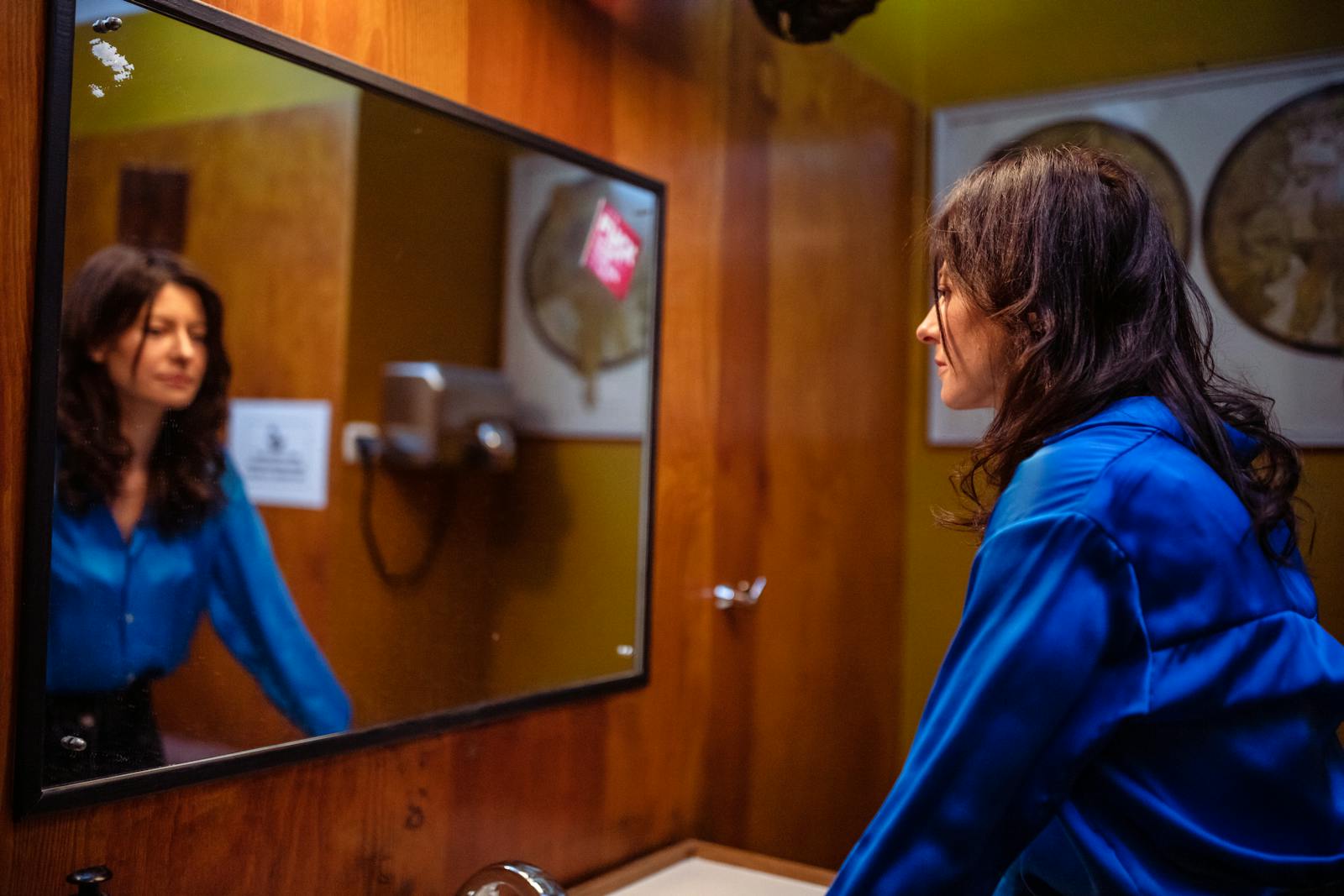
There’s an unpleasant, yet oddly fascinating saga unfolding in a small office of just 25 employees. Known as the “bathroom bandit,” an unidentified colleague has been wreaking havoc in the women’s restrooms, leaving behind a trail of unsanitary conditions that defy explanation. This bizarre series of events has led to frustration and a sense of urgency among the staff, who are now resorting to passive-aggressive notes in a desperate attempt to restore cleanliness.

Over the last few months, the situation in the female bathrooms has grown increasingly dire. Reports detail incidents of feces found not only in the toilet but also on the toilet seat, and even, remarkably, on the top of the toilet tanks—a veritable splash zone of bodily waste that has left colleagues in a state of outrage and disbelief. While the occasional restroom mishap might be considered a natural part of shared workspaces, this pattern has taken things to a whole new level, compelling women in the office to band together to identify their culprit.
Despite their best efforts to approach HR and management with their concerns, the resolution has proven elusive. HR, located in a different building, faced challenges in tackling the sensitive nature of these complaints. In a bid to address the issue, management attempted to provide cleaning supplies in every stall, hoping to empower the offender to remedy their own messes and mitigate the embarrassment that could arise from incidents in the shared spaces. However, these measures yielded little success, and the office experienced yet another shocking revelation: a full toilet bowl of feces and dirty water, devoid of any toilet paper, greeting unsuspecting employees.
Understandably, the employees have grown weary of encountering such a disgusting surprise during their restroom visits. One worker, feeling particularly fed up, decided it was time to take matters into her own hands. She crafted a note to be taped on the back of the stall doors—a plea for sanity in an environment spiraling out of control. The note urged fellow staffers to conduct a quick scan of the bathroom after use, ensuring no spills, feces, or unpleasant surprises were left for the next occupant. The message pointedly highlighted the unsanitary conditions that had plagued the restrooms for months, calling for a level of courtesy that should be a fundamental expectation in shared spaces.
In the aftermath of her passive-aggressive note, the debate continues. Was this woman justified in taking such a step? The feeling of frustration and disgust is palpable among her colleagues, yet resorting to notes on stall doors may not be the most constructive approach. Some argue that this passive-aggressive tactic could create further tension among employees, while others sympathize with her plight, recognizing her attempt to address a pressing concern in a way that felt necessary.
The incident has raised questions about workplace etiquette and the responsibilities of shared spaces. Should employees be held accountable for maintaining hygiene in communal restrooms? How far should management go to uphold sanitary conditions? As the office grapples with these issues, it is clear that the bathroom bandit represents more than just an individual act of negligence—it highlights a breakdown in communication and responsibility within the workplace.
As the saga continues, the impacted employees are left hoping for a resolution, whether it be through better communication with HR, a clearer expectation regarding restroom cleanliness, or even the discovery of the bathroom bandit themselves. Each trip to the restroom serves as a reminder of the shared responsibility that comes with communal spaces, and the complexities that arise when that responsibility is not taken seriously.
Ultimately, this story serves as a reflection of the often unseen dynamics that play out within the walls of an office, where the smallest issues can snowball into larger frustrations. While the bathroom bandit may seem like an isolated incident, it unearths deeper questions about respect, accountability, and the importance of maintaining a sanitary work environment.
More from Willow and Hearth:
Leave a Reply