Every spring the same scene plays out at garden centers across the country. The sun comes out, the tables fill with blooming flowers and shiny tomato starts, and a lot of us fill our carts like it is a holiday sale. Then a few weeks later, half of what we bought is yellow, wilted or gone, and we blame our “black thumb.” Most of the time, though, the real culprits are three quiet mistakes that have nothing to do with talent: too much water, the wrong plant for your area, and buying before the weather is ready.
The good news is that each one has a simple fix, and none of them cost a penny to avoid.
Mistake One: Loving Your Plants To Death With Water
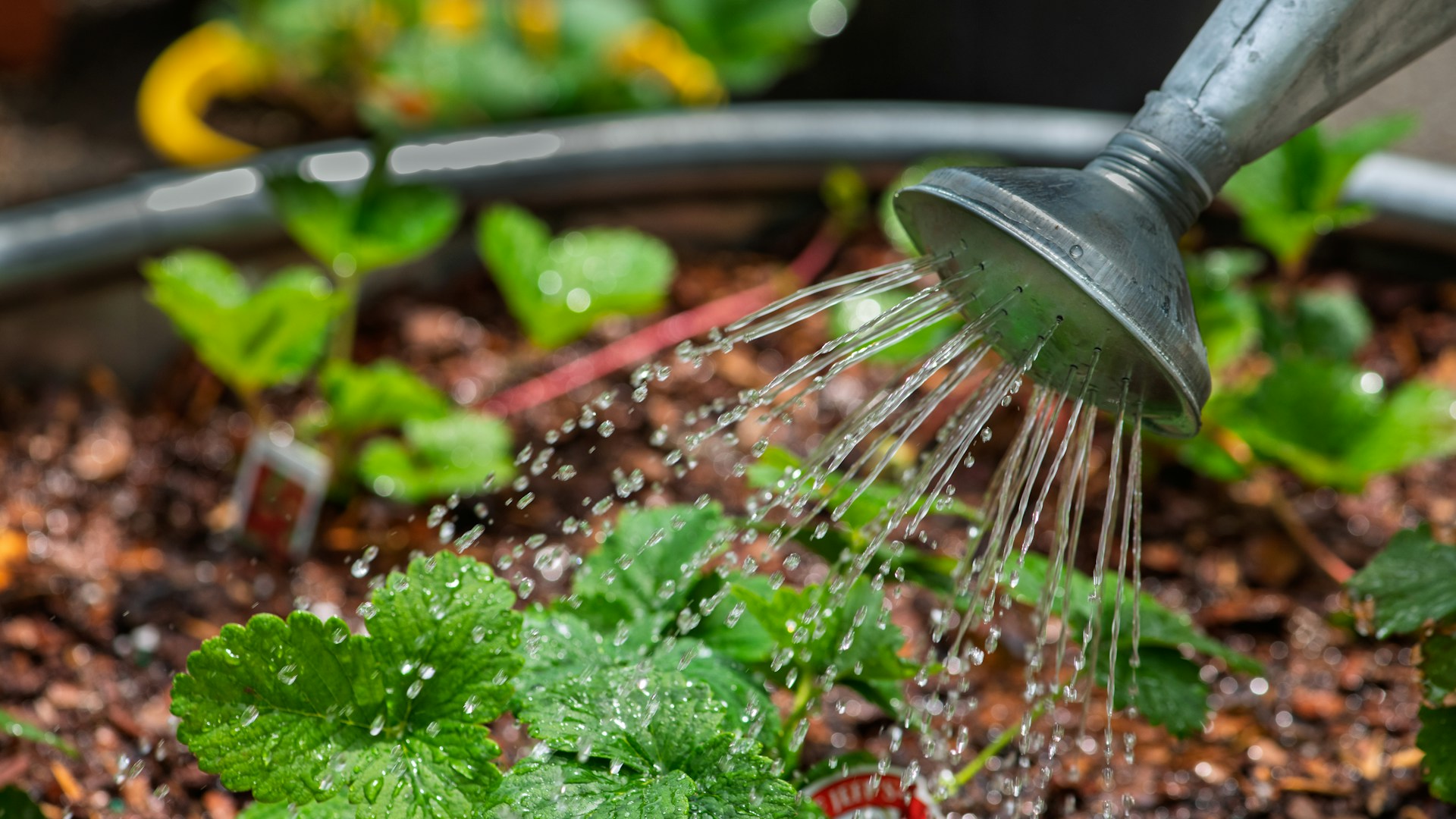
Overwatering is the classic plant killer, and it feels so responsible while you are doing it. Roots need air as well as moisture. When soil stays soggy day after day, the roots can suffocate and begin to rot, and the plant above ground often looks like it is thirsty. Leaves droop or turn yellow, so the well-meaning gardener adds more water and makes things worse.
Before you reach for the hose, try the finger test. Push a finger into the soil a couple of inches. If it feels damp, wait. If it feels dry, go ahead and water, and water deeply rather than giving a little sprinkle every day. Deep, less frequent watering encourages roots to grow down instead of staying shallow.
A few more habits help:
- Make sure pots have drainage holes, and never let a pot sit in a saucer of standing water.
- Water in the morning when you can, so leaves and soil have time to dry.
- Remember that different plants want different things. A succulent and a fern are not the same animal.
- Pay attention to the weather. A rainy week means the hose can stay put.
Mistake Two: The Wrong Plant For Your Zone
This one hurts the wallet. We fall in love with a plant at the store, bring it home, and it struggles or dies the first time winter hits. Often the plant was never suited to our climate in the first place.
That is where the USDA Plant Hardiness Zone Map comes in. It divides the country into zones based on the average lowest winter temperatures. It is the standard tool gardeners use to judge whether a perennial, shrub or tree can survive the winters where they live. You can look up your zone on the USDA website by typing in your zip code.
Once you know your zone, read the plant tag or the seed packet. Most list the zones where that plant is expected to do well. If your zone is outside the range, think twice, or plan to treat the plant as a seasonal splurge rather than a long-term investment.
Remember that your zone is only part of the story. Sun, shade, soil type and wind in your own yard matter too. A plant that wants full sun will sulk in a shady corner no matter what zone you live in. Reading the tag for light and soil needs is just as important as checking the zone.
Mistake Three: Buying Too Early
Garden centers stock spring favorites when the calendar says spring, but your weather might not have gotten the message. A late cold snap or frost can wipe out tender plants like tomatoes, peppers and many annual flowers overnight. Then you are back at the store buying them all over again.
Instead of rushing, find out the typical last frost date for your area. Your local cooperative extension office is a great, usually free resource for this, and the staff there know what works in your region. Wait until the danger of frost has passed for tender plants, and keep an eye on the forecast anyway.
If you simply cannot resist buying early, you have options:
- Keep plants in a protected spot, such as a porch or garage, and bring them out on mild days.
- Cover tender plants on cold nights with a light cloth or frost blanket, and remove it in the morning.
- Ease plants outdoors gradually over several days. Plants raised indoors or in a greenhouse need time to adjust to sun and wind.
A Few Money-Saving Habits
You do not have to give up the thrill of a garden shopping trip. You just need a plan. Walk the yard first and note where the sun and shade are. Write a short list of what you actually need, and look up the zone and light needs for anything new before it goes in the cart.
Start small, too. A few healthy, well-matched plants will do more for your yard than a crowded cart of impulse buys. Ask a nursery worker or your extension office what grows well locally. Plants that are native or well adapted to your area tend to need less fuss, less water and fewer replacements.
Gardening is supposed to be fun, and nobody gets it right every time. But if you check your zone, go easy on the watering can, and let the weather settle before you shop, you will keep more plants alive and more cash in your pocket. Your garden, and your budget, will thank you.
More Stories You May Like
- Former Landlord Says In Some Places Your Security Deposit Is Supposed To Earn Interest, And Tenants Who Never Asked Have Been Leaving Money Behind
- Real Estate Agent Warns Buyers to Assume Cameras and Microphones Are Capturing Their Every Word the Moment They Step Out of the Car at a Showing, and Explains What Not to Say
- HOA Threatens Fifty Dollars a Day in Fines over Weeds Even Though the Homeowner Mows Every Two Weeks
Leave a Reply