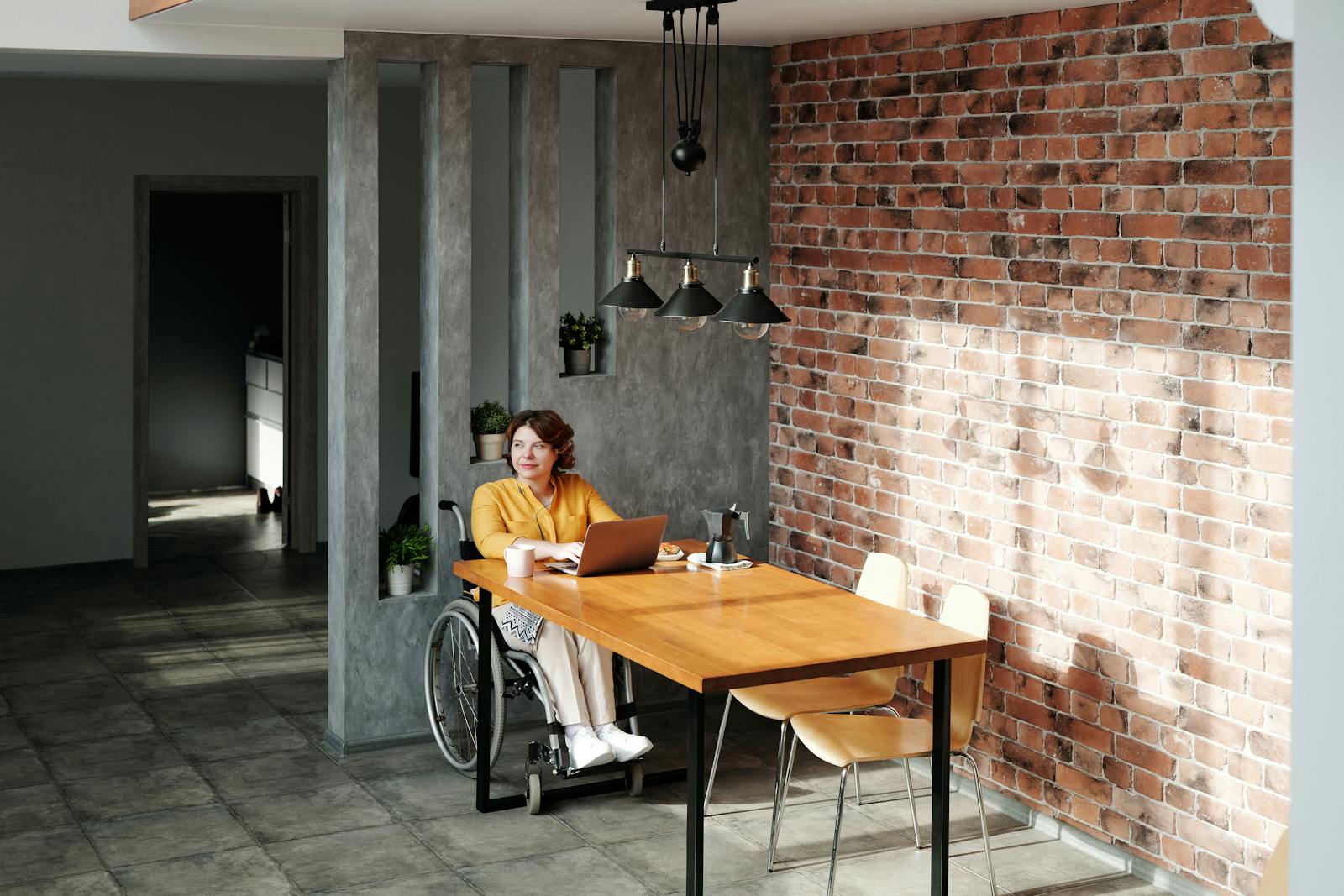
In a charming neighborhood where the sun shines through leafy trees and children laugh playing in backyards, a troubling situation has unfolded involving a paraplegic woman and her new neighbors. After comfortably living in her home for 17 years, this 43-year-old woman has found herself at odds with the couple next door and their two children, aged around 8 to 10. The situation raises eyebrows as their behavior has turned what once was a peaceful living environment into a space of contention.
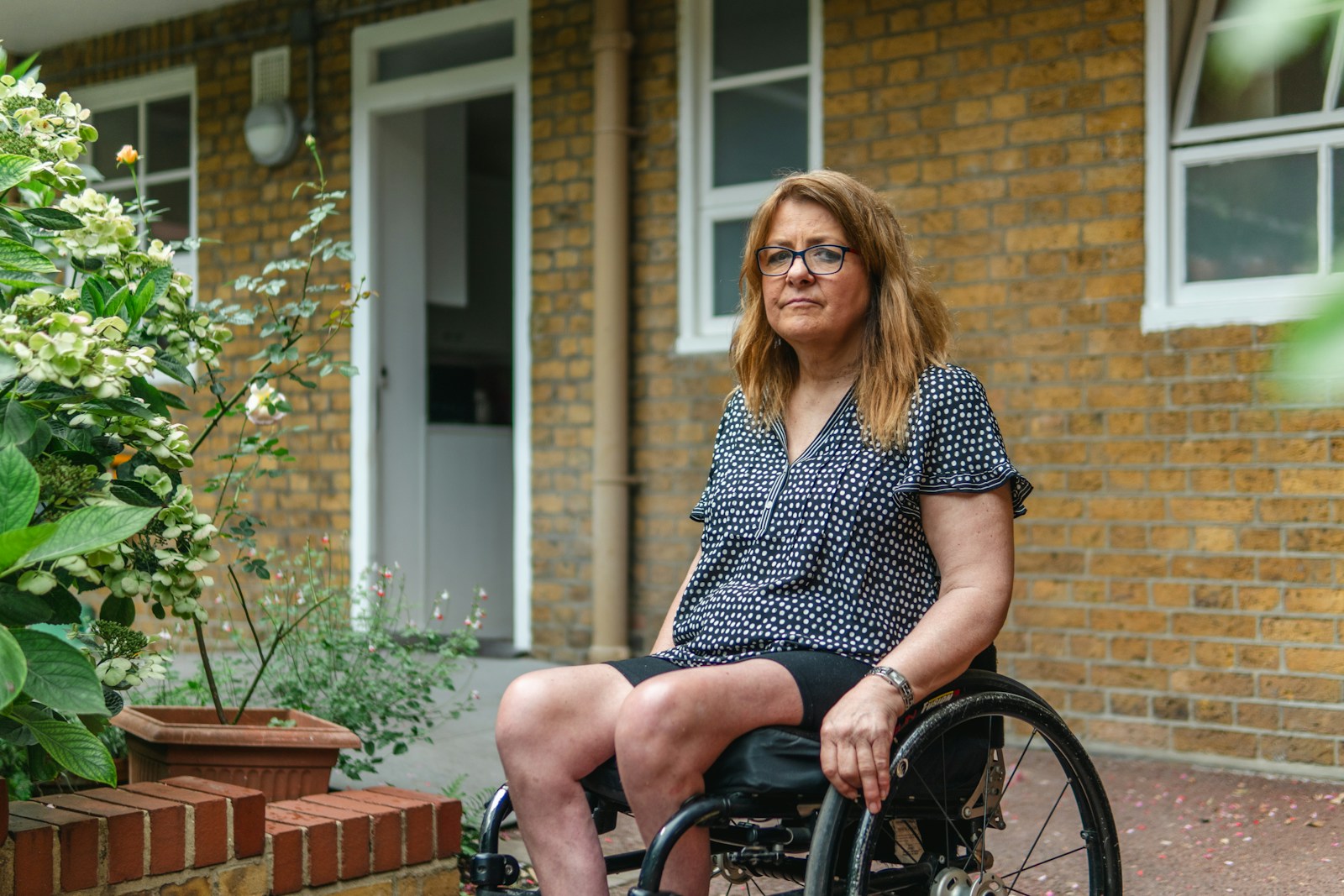
For many, the notion of bullying often evokes images of schoolyard antics, but in this case, the victim is a woman who, despite her physical limitations, has shown resilience and independence throughout her years. Living with complex needs and requiring a wheelchair for mobility, she has managed to navigate her life with grace, even driving her own car, a feat that can seem unusual to some. However, the complications arose when the couple and their children moved in, seeming to disrupt the harmony she once enjoyed.
The problems began small — minor issues regarding noise and the dog’s barking when their owners were away at work. These issues were addressed directly by the woman, who hoped to foster a spirit of understanding and community. However, the atmosphere became increasingly fraught as the couple began to display more passive-aggressive behavior, creating barriers that made her life significantly more challenging.
Parking has emerged as the central point of conflict. The family next door has taken to boxing her in on both ends with their vehicles, making it nearly impossible for her to exit her parking space without immense difficulty. In some instances, the parking situation has escalated to the point where she jokes that she’d need a crane to escape. The fact that they intentionally use their two cars to trap her has become a painful reminder of her isolation and frustration.
Efforts to communicate have been met with evasion. When she attempts to address the situation directly, the neighbors appear to hide from her — retreating into their car or home rather than engaging in a conversation. The situation has left her feeling cornered, both physically and emotionally. It raises troubling questions about community and empathy, especially when the woman’s immediate neighbor works as a carer, suggesting a potential for greater understanding given her own family dynamic.
This story is not just about a woman facing difficulties with her parking situation; it reflects deeper societal issues regarding the treatment of individuals with disabilities and the responsibilities of those in a shared community. It becomes a stark contrast when one considers the values of kindness and support that are typically preached within neighborhoods. The neighbors’ reaction to her presence in the community seems to suggest a troubling disregard for her well-being.
As the woman navigates the complexities of living independently and dealing with uncooperative neighbors, her story becomes a testament to both resilience and the need for community support. It emphasizes the importance of communication and the fundamental human connection that can sometimes be overlooked in the face of everyday inconveniences. What should be a simple matter of parking has transformed into a larger commentary on how we treat one another in our own backyards.
The woman remains hopeful that the situation can improve. Despite the challenges she faces, she continues to advocate for herself and seek understanding in her community. Her experience serves as a reminder of the importance of fostering a welcoming environment for everyone, regardless of their circumstances.
More from Willow and Hearth:
Leave a Reply