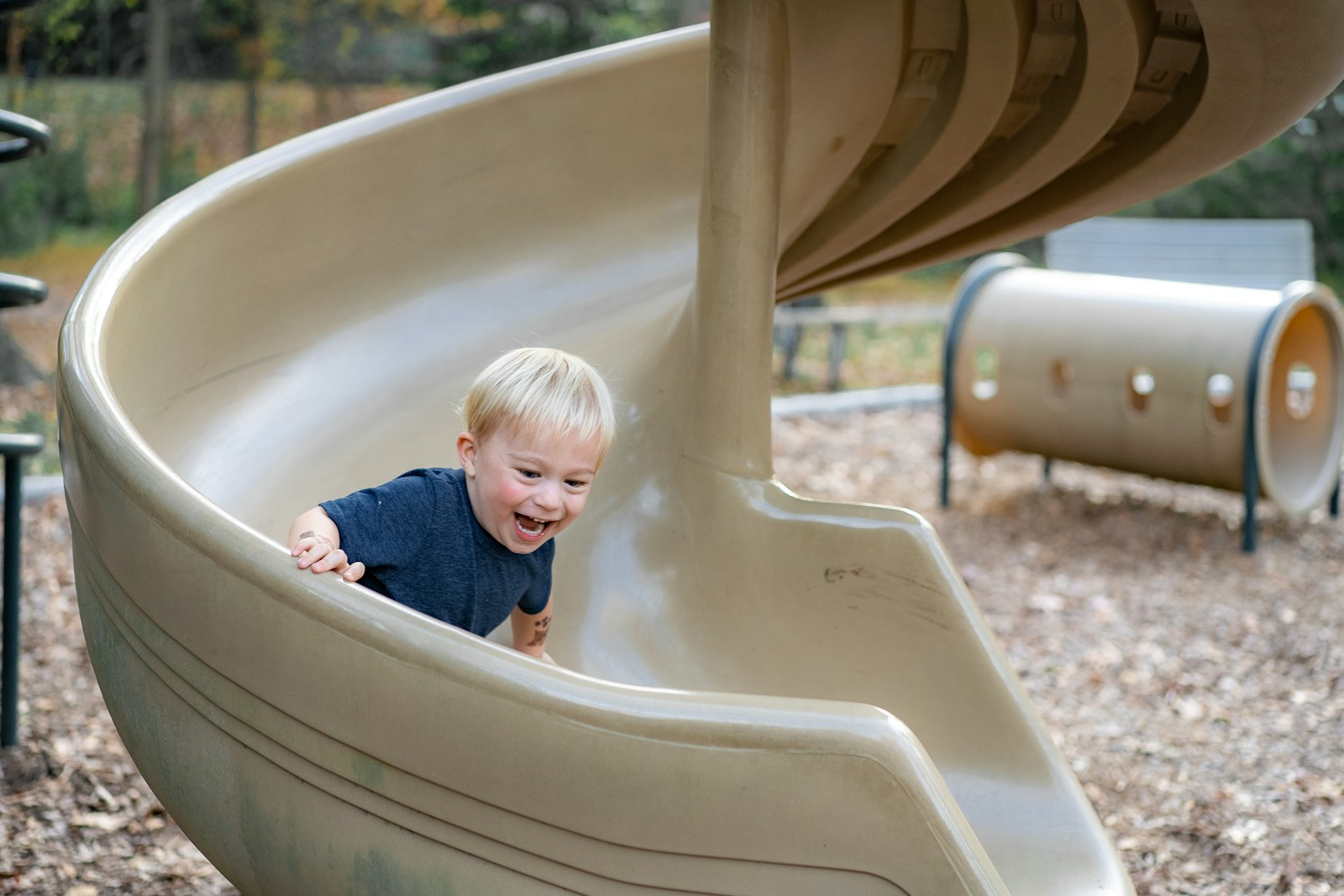
In a seemingly ordinary day at the park, a family outing turned into a moment of tension and judgment that left one parent questioning her actions. The unsettling incident unfolded when a three-year-old girl, left unsupervised on playground equipment by her own family, took a tumble while playing. As her mother rushed to her aid, she shot a bitter glance at another family nearby, sparking a conversation about parental responsibility and the boundaries of supervision.
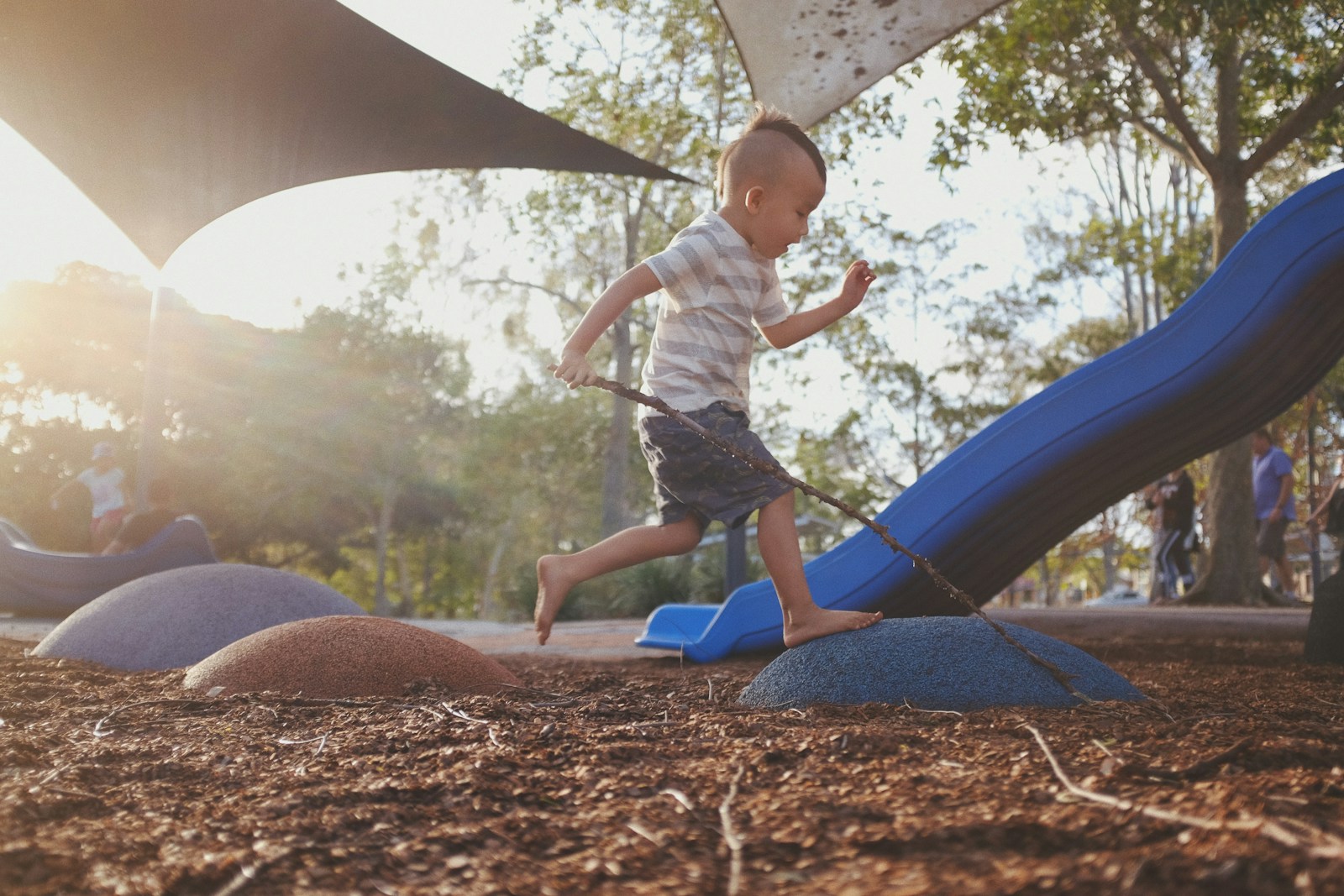
The scenario began when a parent, along with her husband and their two mid-elementary age children, decided to enjoy a sunny day at their local park. After almost an hour of play, the family noticed a gathering setting up for a party and moved to a nearby tree, about 30 feet away. They settled onto their wagon, preparing to leave soon. Meanwhile, a little girl, likely around three years old, had been exploring a climbing apparatus on her own, seemingly left to her own devices while her family chatted at the pavilion.
As the parent began to wrap up their own outing, she noted the little girl still engaged in her exploration. Just as she was conversing with her daughter, the child slipped and fell from a tricky part of the climbing apparatus. Though the child quickly got back on her feet, the incident resulted in tears, which finally drew her mother’s attention. The poster and her husband paused for a moment to gauge the situation before continuing to walk away, when suddenly, the mother of the fallen girl shot them a bitter look.
The underlying question that gnaws at the parent is whether she should have intervened. Did she have a responsibility to redirect the little girl before the fall? She found herself pondering the social contract at playgrounds: who is responsible for the safety of children, especially those not under one’s own care?
The poster’s story raised eyebrows and prompted conversation among readers. Many zeroed in on the core conflict: should parents watch over not only their own children but those around them as well? The notion of community vigilance in public settings, especially concerning young children, struck a chord. Some expressed empathy for the poster, emphasizing the difficulty of stepping in when it’s not your child. “You were just trying to enjoy a day out,” one comment read. “Not every parent expects others to act as their babysitters.”
Conversely, others sided with the mother who shot the bitter glance. They felt that it’s common for adults to share the responsibility of looking out for kids in public spaces, especially when a child is in obvious danger. “If you see a child at risk, why not say something?” a reader suggested, articulating a belief in a collective responsibility to ensure children’s safety. The debate highlighted varied perspectives on oversight, parental expectations, and societal obligations.
As discussions swirled, it became evident that many readers reflected on their own experiences in similar situations, weighing the instinct to protect against the boundaries of parental responsibility. The complexity of the incident left the poster feeling unsettled, not simply about the fall itself, but the implicit judgment she sensed from the child’s mother. She questioned whether her actions—or lack thereof—were appropriate and whether she should have bridged the gap to engage with the young girl. Did she really need to intervene, or was the incident just part of the unpredictable nature of childhood exploration?
The day at the park, meant to be full of joy and laughter, became a moment of reflection on the nuances of parenting in public spaces. While the poster returned home with her own children, she carried a lingering discomfort about the judgment she perceived, leaving her to wonder if she had misstepped in a world where every parenting choice is scrutinized. In a community designed for play and interaction, how do we navigate the delicate balance of supervision and independence for our children?
More from Willow and Hearth:
Leave a Reply