
Learning to drive is often seen as a rite of passage, a symbol of newfound freedom for many teenagers. However, for one young woman, this seemingly straightforward experience turned into years of humiliation and self-doubt, fueled by her parents’ harsh criticism and unrealistic expectations. Dubbed as an extreme case of overbearing parenting, the poster’s story highlights an unsettling perspective on the pressure young drivers face during their formative years.
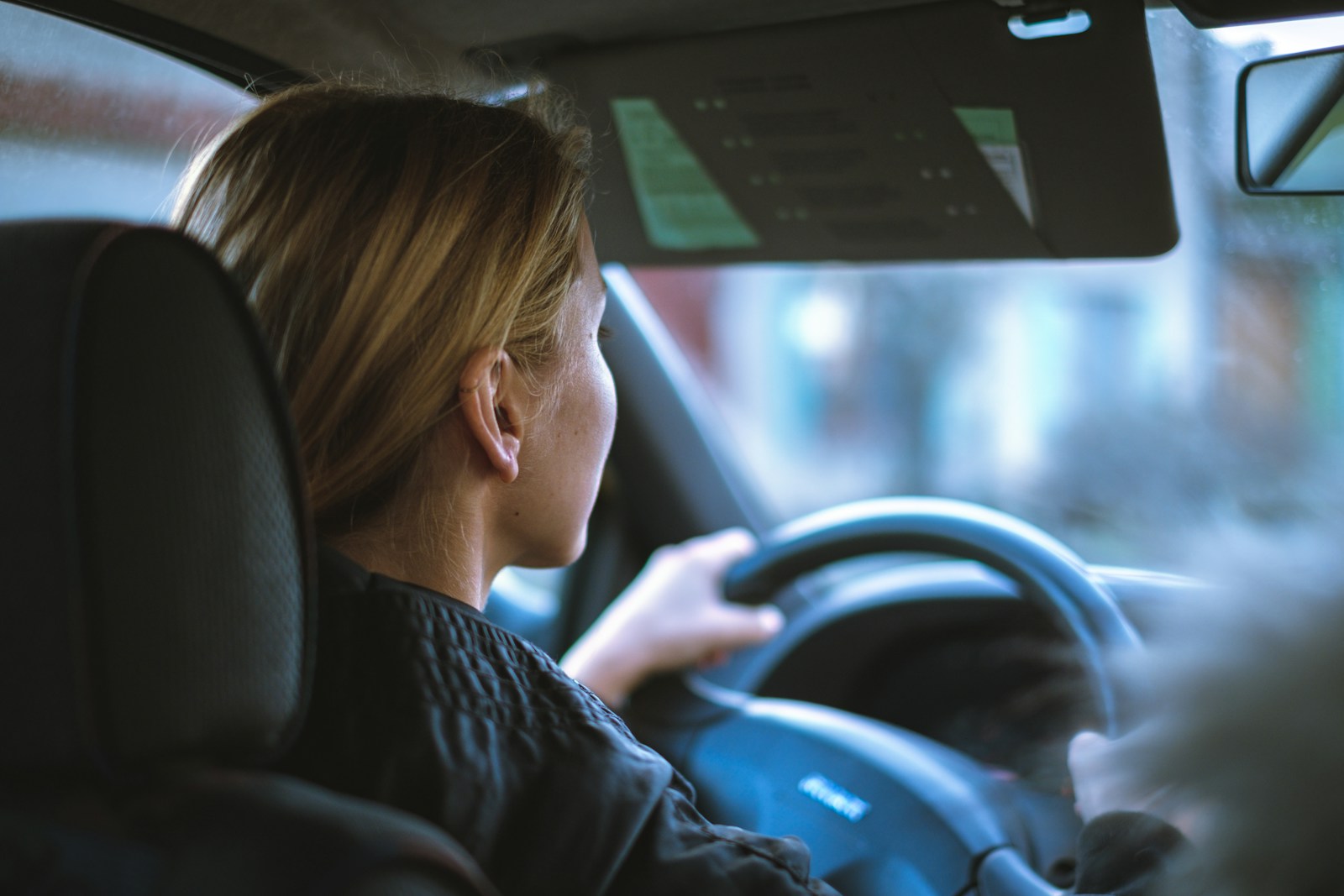
At just 14 years old, the young driver was thrust into the world of driving with a learner’s permit, despite feeling unprepared. Her practice sessions, intended to foster confidence, were instead marred by her parents’ relentless fearmongering. “Every time I practiced, my parents acted like backseat drivers,” she recalled. They even went so far as to use white flags as “obstacles,” repeatedly telling her she had “killed people,” which left her baffled and intimidated. “What? White flags aren’t used as barriers for driving tracks. Cones are,” she noted, illustrating the absurdity of their methods.
The experience only worsened during a practice session in an empty parking lot. What should have been a safe space to learn turned into a minefield of unrealistic expectations. While attempting a simple 180-degree turn, her mother yelled at her for “hitting everyone’s vehicles,” all the while insisting that she imagine the lot was filled with cars. “How was I supposed to do that?” the poster questioned, expressing her frustration at being expected to perform at the level of an experienced driver without any proper guidance.
The struggle continued with the written driving test, which she failed an astonishing eight times. She lacked the necessary experience and resources to study effectively, feeling like she was always a step behind. Meanwhile, her sister breezed through the process, obtaining her license effortlessly at the same age. “I was stuck studying from lost materials, retaking tests, and waiting months between attempts,” she explained, showcasing the uneven playing field that plagued her journey.
Despite finally passing the written portion of the test, her challenges were far from over. Each attempt at the practical test resulted in another failure, primarily for not reaching the required speed or for making normal beginner mistakes. “At that point, I was so frustrated I said, ‘I don’t care about driving anymore!’” she reflected, illustrating just how defeating the experience had been. It wasn’t until she turned 19 that she finally earned her driver’s license, a hard-won victory achieved after countless hours of practicing on highways with minimal traffic.
Even once she secured her license, the aftermath of those grueling years left a lasting impact. “The process completely destroyed any confidence I had in myself as a driver at first and made me resent my parents,” she admitted. Learning to drive, a process that should have been about developing skills and gaining experience, morphed into years filled with stress and humiliation. The poster felt as if her parents prioritized her sister, held her to impossible standards, and blamed her for aspects of the experience that were beyond her control.
In the response to her story, many readers recognized the patterns of behavior described. Some emphasized the significance of a supportive learning environment, while others expressed disbelief at the extreme approach the poster’s parents took. “How can they expect anyone to learn in a hostile environment?” was a common sentiment among those who chimed in. The overarching agreement among commenters centered on the need for encouragement, rather than fear and humiliation, suggesting that driving should be a process of building confidence, not a battleground.
Through the lens of this distressing experience, the poster’s story resonates with anyone who has faced undue pressure from family while trying to learn a new skill. The lasting consequences of her parents’ controlling methods serve as a reminder of how important it is to create a supportive atmosphere in which young drivers can thrive. While she eventually achieved her goal, the road to her independence was fraught with obstacles that should never have existed.
More from Willow and Hearth:
Leave a Reply