Every landlord braces a little before walking into a unit after the tenants leave. For property manager @sam_cory_propertymanager, the latest move-out turned into a floor-by-floor tour of damage. In a walkthrough video set only to music, the camera moves through an empty rental where, according to the caption, the tenants left behind “a destroyed kitchen floor, holes in the bedroom floor and a burn spot in the master bedroom floor.”
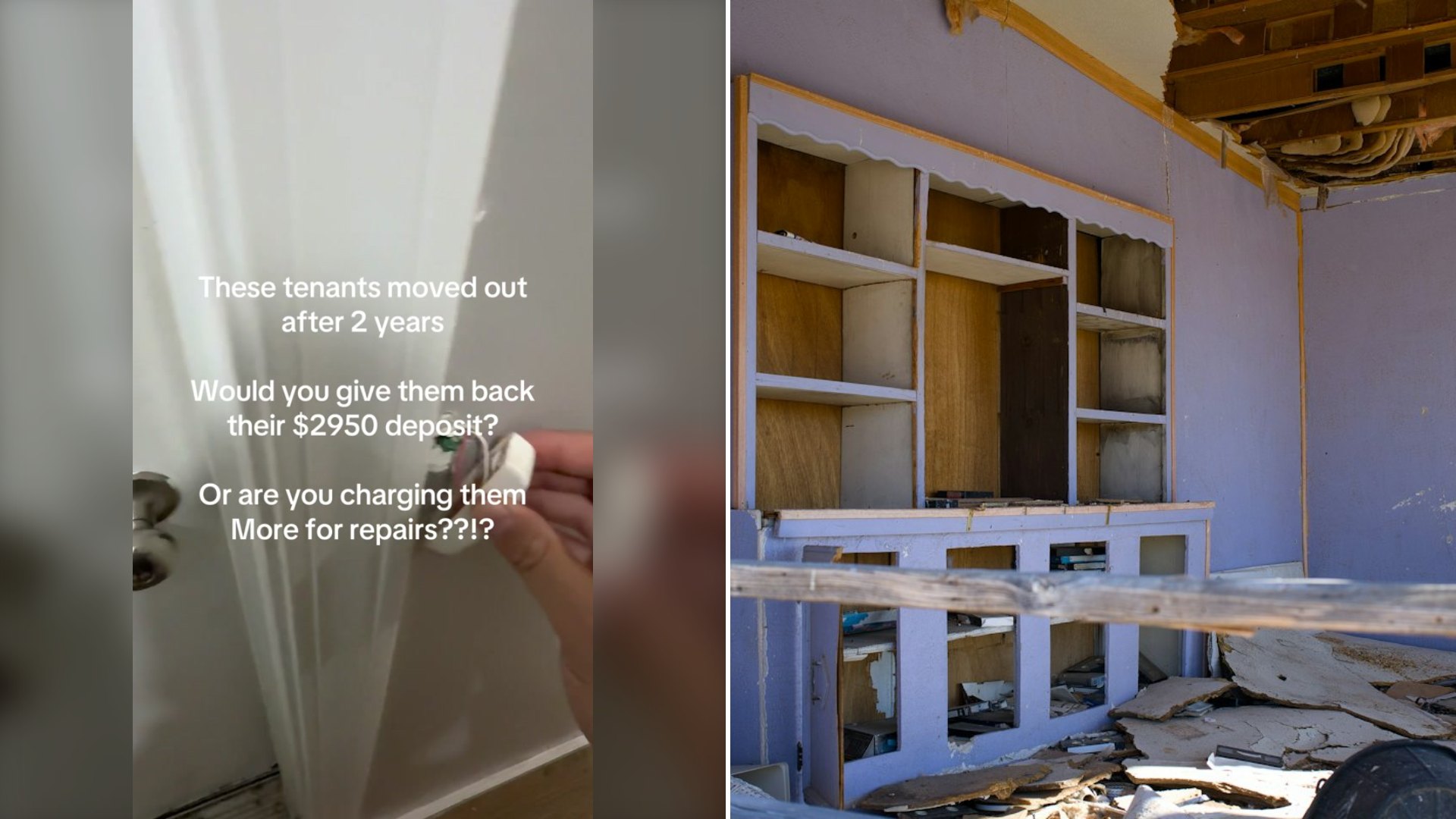
The kicker is the timeline. These renters were there for only two years.
There is no narration in the clip. The property manager lets the empty rooms and the floors tell the story, then hands the question over to the audience in the caption: “Is this considered normal wear n tear for after only 2 years??”
It is a question that sparks arguments between landlords and tenants every single day, and the comment section on the post filled up with people weighing in.
@sam_cory_propertymanager
Wear and Tear Versus Damage
The phrase “normal wear and tear” shows up in leases and state laws all over the country, and it matters because it decides who pays. In general, landlords cannot charge tenants for the ordinary decline that comes from simply living in a home. They can charge for damage beyond that.
While each state words it differently, the general idea looks like this.
Usually normal wear and tear: light scuffs on floors, small nail holes from hanging pictures, carpet worn thin in walkways, faded paint or blinds from sunlight, minor scratches on countertops, and loose door handles.
Usually damage: large gouges or holes in floors, burns, broken tiles, pet stains and chewed trim, big holes in walls, broken windows, missing fixtures, and anything caused by neglect or misuse.
Time also matters. A floor that is 15 years old and worn after a long tenancy is very different from a floor that was in good shape and ruined after two years. Courts often consider the expected life of an item, so a landlord usually cannot charge a tenant the full cost of brand-new flooring if the old flooring was already near the end of its life.
Based on the caption alone, holes in a floor and a burn spot fall on the damage side of the line for most people. The open question is usually how much a tenant should pay for the repair.
Floors are also one of the more expensive parts of a rental to repair. Patching a hole in plank flooring or vinyl is not always possible without replacing a whole section, and matching an older floor can be hard, which is why one burn mark can turn into a full-room job. Kitchen floors take the most abuse of all, from dropped pans to spills and leaks around the sink and dishwasher.
What Landlords Should Do After a Messy Move-Out
If you rent out a property, even just a single house or a basement apartment, these steps protect you.
Document before and after. A dated move-in checklist signed by the tenant, plus photos and video of every room, is the best evidence you will ever have. Do the same thing the day they move out.
Know your state deadline. Most states give landlords a set number of days after move-out, often somewhere between two weeks and a month or so, to return the deposit or send an itemized list of deductions. Missing that deadline can cost you the right to keep any of it, and sometimes extra penalties.
Itemize honestly. List each repair with its cost and keep receipts or estimates. Charge for damage, not for upgrades.
Use small claims court if needed. If the damage exceeds the deposit, small claims court is often the practical route to recover the difference without hiring an attorney.
Inspect during the lease. With proper written notice as your lease and state law require, periodic inspections can catch problems like leaks or pet damage before they become a whole new floor.
How Tenants Can Protect Their Deposit
Renters have just as much reason to care about wear and tear. A few habits make move-out day far less stressful.
Photograph everything on day one. Take wide shots of each room and close-ups of any existing damage, and email copies to yourself and your landlord so the date is on record.
Report problems right away. A slow leak under the kitchen sink can quietly ruin a floor. Tell the landlord in writing when something goes wrong so it is not blamed on you later.
Use floor protection. Felt pads under furniture, rugs under rolling chairs and mats near the stove and sink prevent much of the damage that eats up deposits.
Be careful with heat. Hair tools, space heaters and candles cause burn marks on floors and counters in an instant. Keep them on a heat-safe surface.
Ask for a walkthrough. Request to be present for the move-out inspection and take your own photos once the unit is empty and clean.
The video from @sam_cory_propertymanager is a reminder that a rental is someone’s investment and someone else’s home at the same time. Treat it with care, keep good records, and the question of wear and tear rarely has to become a fight.
More From Willow and Hearth
- Handyman Shuts Down His Business After Five Years and Hundreds of Jobs and Shares What He Learned
- Former Landlord Says In Some Places Your Security Deposit Is Supposed To Earn Interest, And Tenants Who Never Asked Have Been Leaving Money Behind
- She Sued Her Landlord And Won, And Now She Is Choosing Peace Over A Fight About What She Says Is $550 Too Much Taken From Her Deposit
Leave a Reply