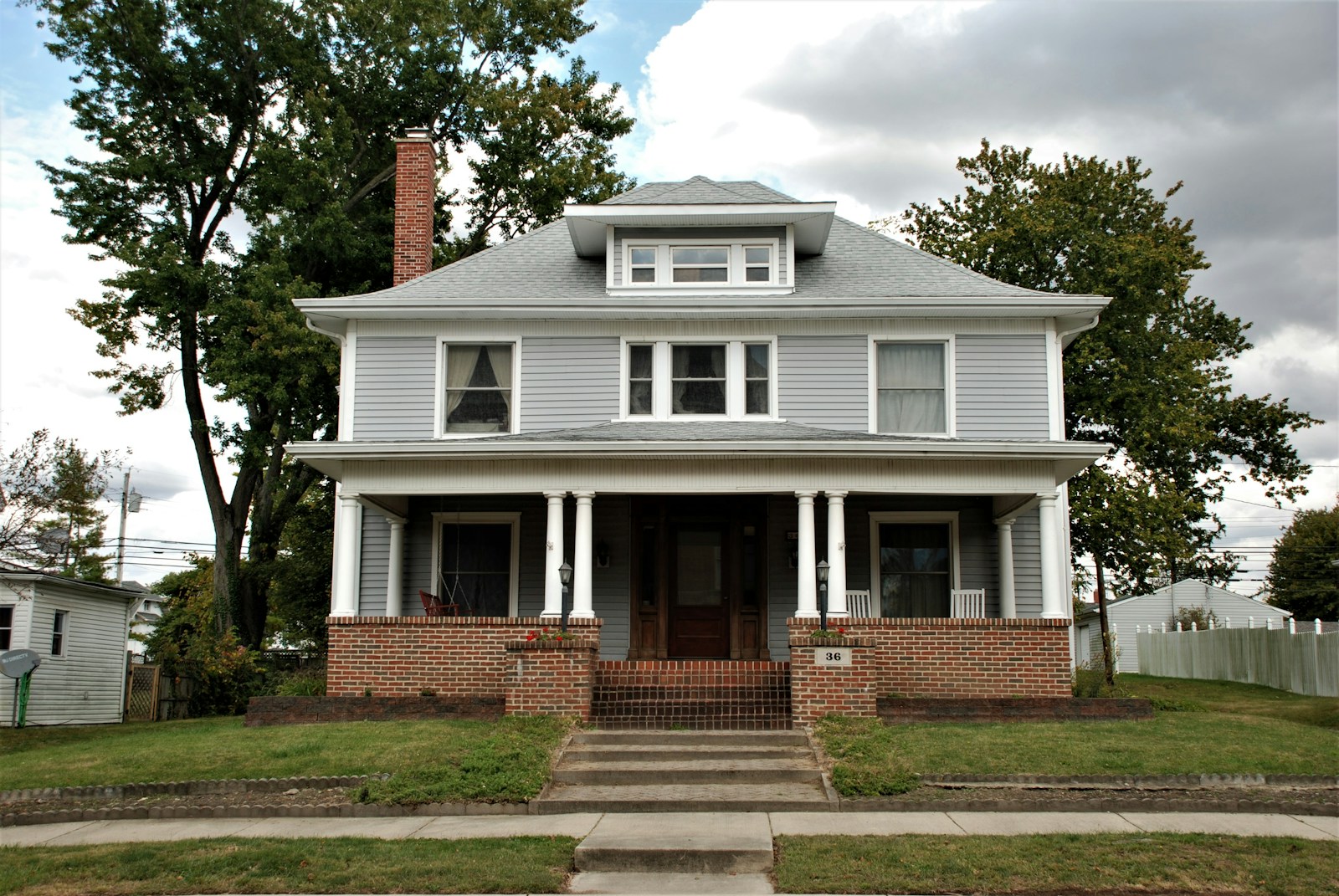
In a curious twist of landlord-tenant dynamics, a renter living in a historic 1905 house found herself facing an unusual predicament after cautioning her new landlord about existing sewage backup issues prior to his purchase of the property. Despite her warning, the landlord seemed unprepared for the reality of the situation and has since implemented a rather unconventional rule: absolutely no toilet paper can be flushed down the toilets. Instead, he has suggested that tenants utilize a waste bin specifically for disposing of used toilet paper.
In a world where flushing toilet paper is a basic expectation, the renter’s situation raises eyebrows. Many people have become accustomed to the ease of modern plumbing, and the idea of using a waste bin for toilet paper might feel like a step backward. This predicament highlights the unique challenges that come with living in older homes, where the charm of historical architecture can sometimes clash with the realities of contemporary living.
The landlord’s decision to ban toilet paper from being flushed further complicates the tenant’s living situation. While the intent behind this rule may be to prevent future sewage backups, it raises questions about the landlord’s responsibility to fix the underlying plumbing issues rather than circumventing them with a workaround. For tenants, such measures can significantly impact their daily routines and overall comfort in their homes.
Despite being equipped with modern amenities, older homes often require ongoing maintenance and, in some cases, a complete renovation of plumbing systems to ensure they can handle current waste issues. The decision to restrict toilet paper use could be seen as a temporary fix that serves to alleviate immediate problems while neglecting to address the long-term needs of the property.
Moreover, the suggestion of placing a waste bin in the bathroom can lead to additional challenges. From hygiene concerns to disposal logistics, it’s clear that this solution isn’t as straightforward as it may seem. Tenants will need to navigate the potential for unpleasant odors, regular emptying of the bin, and an overall change in bathroom habits that most modern renters are likely unaccustomed to.
As conversations about housing conditions and tenant rights continue to emerge, this story sheds light on the unique challenges faced by renters in older homes. It raises important discussions about the responsibilities of landlords versus the expectations of tenants, particularly in properties with a historical charm that often comes with quirks and surprises.
While some may find the landlord’s measures to be excessive or odd, the reality is that aging homes come with their own set of dilemmas. Plumbing issues like sewage backups can be costly and complex to resolve, and they often require significant investment. Tenants in these situations may find themselves balancing the nostalgia of historic living with the practicalities of modern-day comforts.
As this renter navigates her new living conditions, she may not only be reevaluating her previous warnings but also reconsidering what it means to live comfortably in an older home. The unique challenges posed by ancient plumbing systems serve as a reminder that even the coziest houses can hide inconvenient truths within their walls.
Ultimately, while this scenario may appear humorous or even absurd, it underscores a critical topic—an open line of communication between landlords and tenants can lead to more transparent living arrangements, especially in homes where historical charm does not always align with modern necessities.
More from Willow and Hearth:
Leave a Reply