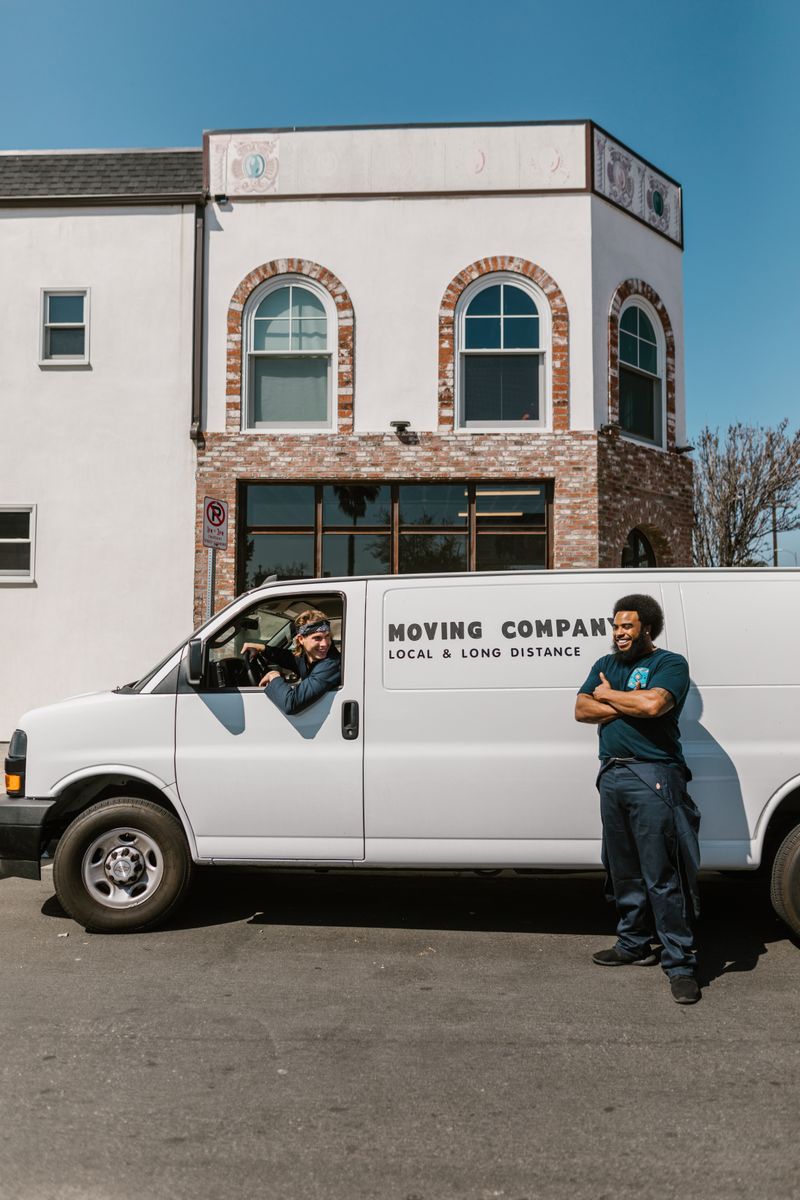
A mover in Missouri quoted a customer named Jeremiah roughly $5,000 to move his household goods, revised that estimate to around $10,000 once the truck was loaded, and ultimately demanded $20,437 before it would unload anything — more than four times the original price, and money Jeremiah had to produce with his belongings already sitting on someone else’s truck. The case is one of dozens documented in a Better Business Bureau study of moving-industry complaints, and it captures the mechanics of what consumer advocates and federal regulators call a “hostage load”: a crew loads the truck, then refuses to unload until the customer agrees to pay far more than they were quoted.
The pattern behind the complaints
The BBB’s research, built from thousands of complaints and reviews, found the organization receives an average of 13,000 moving-related complaints and negative reviews a year, with totals climbing from 10,797 in 2017 to nearly 15,000 in 2018. Separately, the Federal Motor Carrier Safety Administration told the BBB that of 4,780 complaints it received in a single year, 57% involved overcharging — and the BBB has identified at least 1,335 moving companies carrying an F rating. The dollar figures in individual cases follow a similar shape to Jeremiah’s: a Wisconsin-to-Texas move for a customer named Leticia was quoted at $2,798 and ended up costing $3,950, including $1,200 tacked on for packing materials and $1,303 demanded at delivery. An Ohio-to-Chicago move quoted at $1,670 for a customer named Eli finished at $4,900.

What makes these cases different from an ordinary bad estimate is the leverage. Once a truck is loaded, the customer’s furniture, mattresses, family photos, and everything else they own for the next several weeks is in someone else’s physical possession. The BBB’s report describes operators who “demand additional money, effectively holding the belongings hostage,” and notes that in the worst cases, “if the additional money isn’t paid, the operators simply drive off without unloading or saying where they are taking the goods.” A nonprofit assistance group cited in the same study, MoveRescue, said it worked with 1,221 victims of moving scams in a single year. Other cases followed the same shape: a customer named Jim was quoted $2,998 for a move from Ohio to Kansas and paid $4,250, while a customer named Arriana was quoted $2,250 for a Virginia-to-California move and ended up paying “a little over $5,000” once the truck was loaded and the price changed.
A federal crackdown, and what still falls through the cracks
The problem has drawn a direct federal response. The Federal Motor Carrier Safety Administration has run Operation Protect Your Move, a nationwide crackdown that doubled the number of investigators assigned to moving-company enforcement and deployed teams across the country, after what the agency describes as “a significant uptick in complaints of movers holding household possessions hostage to extort exorbitant additional charges from consumers.” The agency’s own language is direct about the scale of the pattern: “Frequent complaints have been filed with FMCSA alleging companies of using deceptive business practices that are causing consumers to pay higher fees, experience delays in receiving their household goods, or in some cases not receiving their possessions at all.”

Consumer advocates who track these complaints point to a few recurring warning signs: an estimate given over the phone or online without an in-home or video survey, a company that operates under several different names, a demand for a large cash deposit before the truck arrives, and a switch from a binding to a “not-to-exceed” or fully open-ended estimate once the truck is loaded. None of those red flags guarantee a scam on their own, which is part of why the pattern is so hard to shut down — by the time a family recognizes what’s happening, their belongings are already on the truck, and the leverage has already shifted to whoever is holding the keys.
FMCSA’s own consumer guidance reflects how much of the burden still falls on the person moving. The agency maintains a searchable database so customers can check whether a mover is properly registered before booking, and requires movers on interstate jobs to hand over two specific documents up front: a “Your Rights and Responsibilities When You Move” booklet and a “Ready to Move” brochure spelling out what a binding estimate legally has to look like. But FMCSA itself is direct about the limits of federal help after the fact, stating plainly that the agency “does not have the authority to resolve claims against a moving company.” It can investigate, fine, and shut down bad actors — it cannot get a specific family’s furniture back off a specific truck. That gap between enforcement and individual recovery is exactly where hostage-load operators have kept finding room to work.
Leave a Reply