In a small city in Central Florida, a young tenant found himself grappling with a surreal roommate dilemma that escalated from mild annoyance to a full-blown crisis. The 26-year-old poster unwittingly returned from a vacation to discover that his 32-year-old roommate had brought a feral kitten into the bathroom just days after a local rabies alert was issued. The incident has left the poster feeling cornered, worried about the health risks associated with feral animals, and frustrated by his roommate’s disregard for his concerns about feeding neighborhood cats.
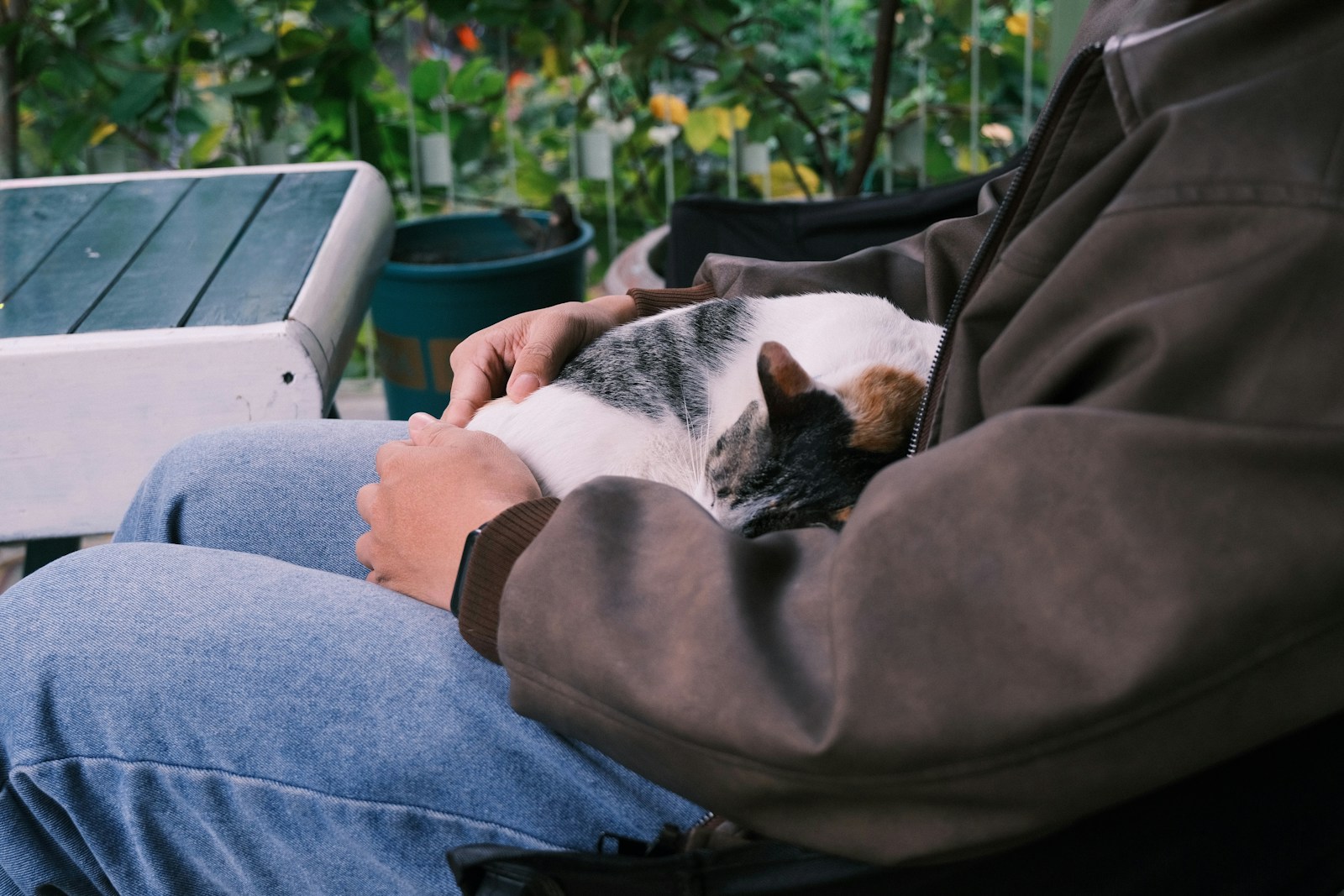
The poster lives with two roommates, one of whom owns a housecat. While he has no issue with the resident cat, the problems began when the 32-year-old roommate started feeding feral cats that roamed the neighborhood. Despite multiple conversations where the poster expressed his concerns, including worries about attracting more feral cats and potential pests, his roommate continued to feed them, seemingly without any regard for the consequences. “It will only be for 7 days,” the roommate reassured him when he learned about the new arrival.
Things took a turn for the worse when the poster returned home from his getaway, only to learn that his roommate had brought a feral kitten, suffering from an eye infection, into their shared living space. The poster was hundreds of miles away when the decision was made, and he couldn’t shake the feeling that the roommate had intentionally kept him in the dark about the situation. “He could have texted me, but didn’t!” the poster lamented. Alarm bells rang in his head as he recalled the recent county-wide warning about a feral cat found with rabies in their area.
The poster’s fears didn’t stop there. He worried that having the kitten in the bathroom could lead to the spread of fleas or other pests, especially since he believed that his roommate wasn’t particularly diligent in keeping their living environment clean. “If we get fleas, I’m going to be furious! What if it has rabies?” he exclaimed in his plea for advice. With most of the belongings in their home belonging to him, the poster felt an overwhelming need to protect his things from the unknowns that come with a feral animal.
As the story circulated, readers were primarily drawn to the apparent lack of communication and respect for boundaries between the roommates. Some commenters empathized with the poster’s frustration, noting that the roommate’s cavalier attitude toward the severity of the rabies alert made the situation all the more alarming. “Just because it’s a cute kitten doesn’t mean it’s safe to bring home!” noted one user, echoing the poster’s worries about disease and hygiene.
Others found humor in the absurdity of the situation, suggesting that naming the kitten could help soften the harsh reality of the conflict brewing over their shared living arrangement. “Call it ‘Rabies’ or ‘Flea-bag’ and maybe you can find some common ground!” one commenter quipped, providing a light-hearted perspective amidst the tension. However, the overarching sentiment remained firm: the poster deserved a say in what happened in their shared space, especially when health and safety were on the line.
As the young tenant continues to grapple with the implications of his roommate’s actions—and the fact that the unwanted cat is now confined to the bathroom—the dynamics of their household remain precarious. As many readers pointed out, it isn’t just about a feral kitten; it’s about respect, boundaries, and communication in shared living situations. The poster feels the weight of not only potential health risks but also the broader implications of his roommate’s choices affecting their home life.
More from Willow and Hearth:
Leave a Reply