The challenges of shared living can be a delicate balance, but when family ties intertwine with tenant responsibilities, the situation can become precarious. One tenant found themselves grappling with a difficult living situation when their roommate’s cat stopped using the litter box, filling their shared home with an unbearable ammonia smell. To complicate matters, the tenant’s landlord was also their roommate’s mother, creating a tricky dynamic that left them questioning how to address escalating concerns.
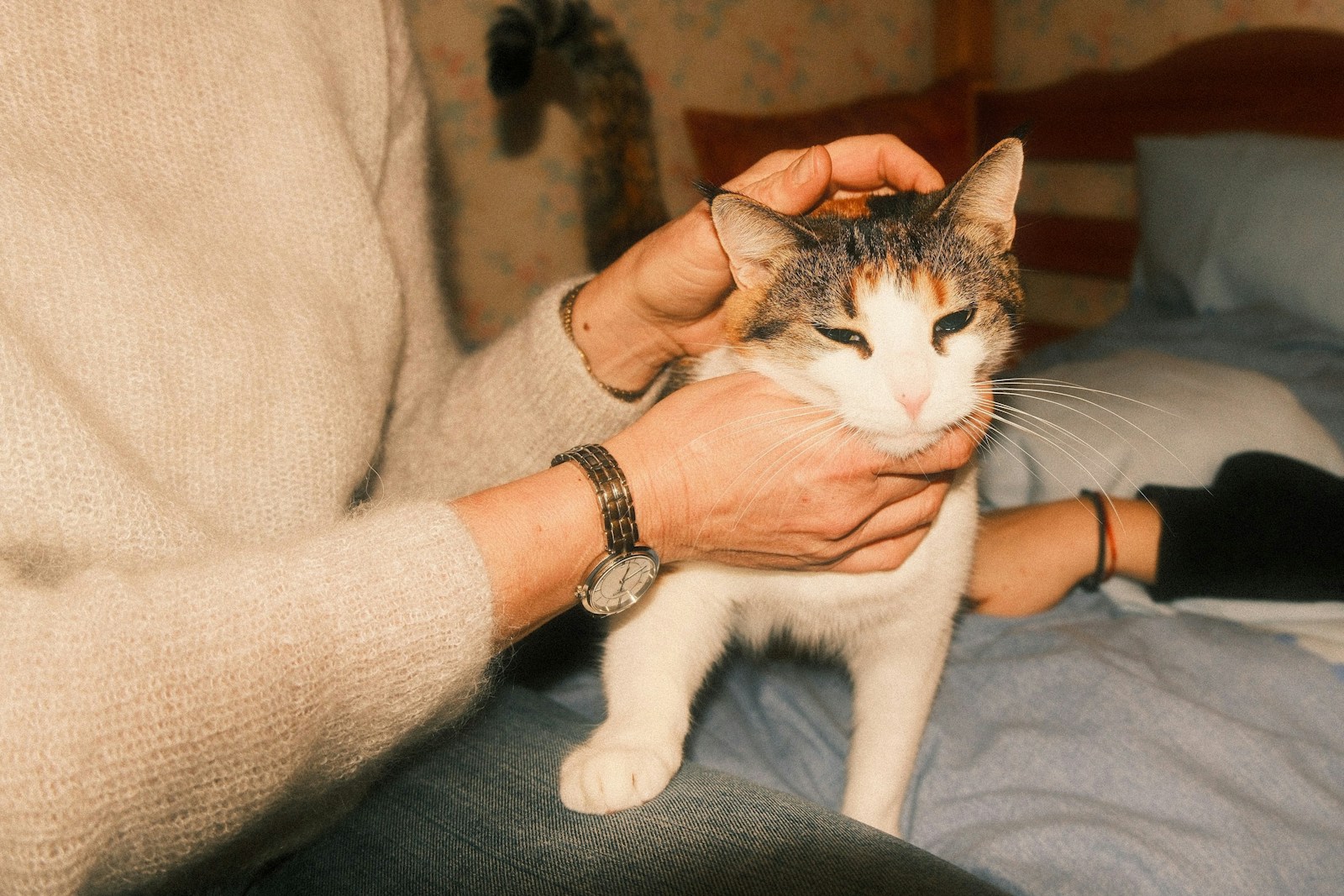
The issue began when the homeowner noticed that their roommate’s feline companion had suddenly stopped using the litter box. As the days passed, a pungent smell began to permeate the house, raising both health concerns and discomfort among the residents. The tenant was left to ponder the gravity of the situation, realizing that the ammonia buildup could create an unsafe living environment.
Faced with this pressing dilemma, the tenant contemplated taking action by reaching out to their landlord. However, the predicament was compounded by the fact that the landlord was none other than their roommate’s mother. The tenant wrestled with uncertainty: “Does she have to do anything?” They felt trapped between wanting to maintain a good relationship with their roommate and needing to ensure a livable space. This emotional conflict underscored the challenges of addressing problems in a shared living environment when familial ties are involved.
As the situation escalated and the odor lingered, the tenant’s frustration grew. They struggled to reconcile the need for action with the potential fallout of involving the roommate’s mother in such a sensitive issue. Would she take their concerns seriously, or would it lead to tension between roommates and landlord? These questions loomed large as the tenant considered their next steps.
Reader reactions to this convoluted situation highlighted the complexities of landlord-tenant relationships, especially when families are involved. Many sympathized with the tenant’s dilemma, emphasizing that while family connections could complicate matters, the responsibility of ensuring a sanitary living environment should ultimately take precedence. Some readers pointed out that the roommate should be made aware of the severity of the situation. “It’s not just about the cat; it impacts all of you,” one commenter noted, underscoring the shared responsibility of maintaining a healthy home.
Others took a stance on the landlord’s obligations, suggesting that even family-bound landlords have a duty to respond to tenant complaints. “If the landlord does not address issues, it can lead to bigger problems,” another reader pointed out, highlighting the legal and ethical components of housing responsibilities. This perspective emphasized the need for clear communication and accountability in shared living arrangements, regardless of familial ties.
As tensions rose and the ammonia smell continued to linger, the tenant found themselves at a crossroads. The decision to approach the landlord, despite the familial connection, would require careful thought. Whether they chose to confront the issue head-on or find a more diplomatic path, one thing was clear: the dynamics of living with a roommate whose mother also served as landlord introduced a unique set of challenges that could not be easily navigated.
More from Willow and Hearth:
Leave a Reply