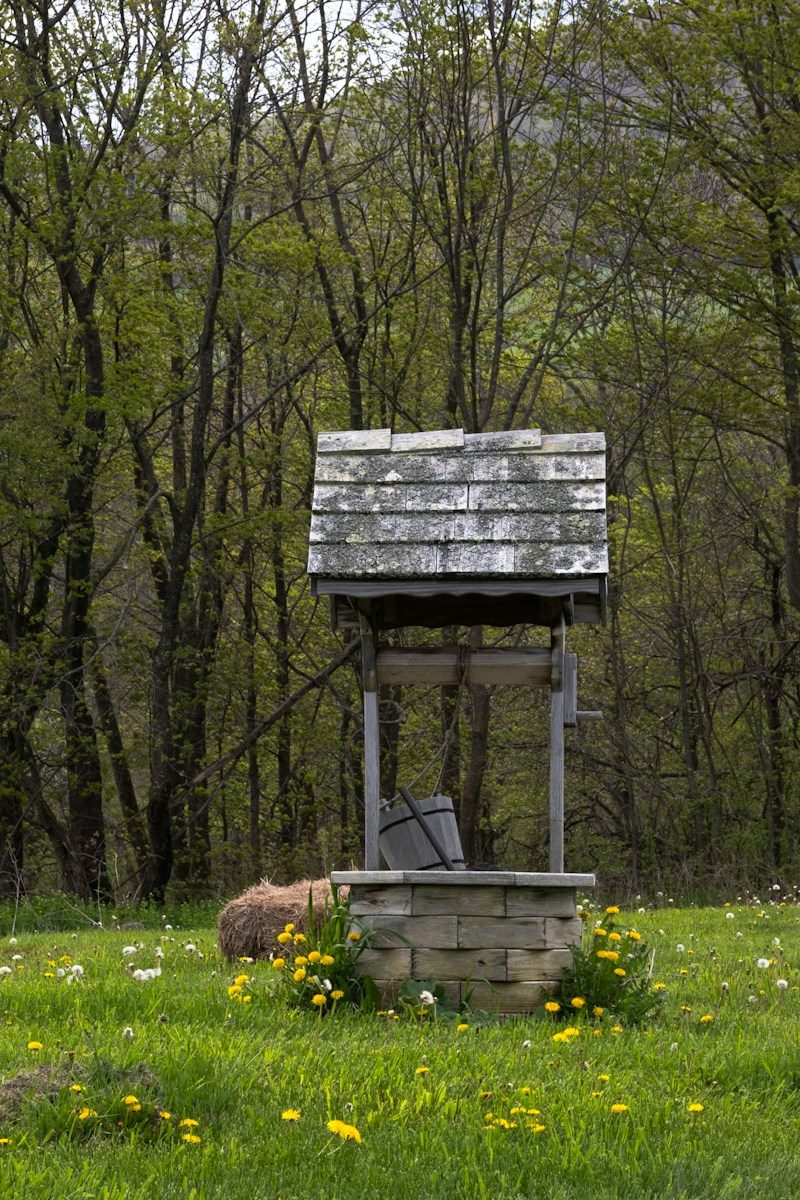
More than a thousand households across Washington’s Whatcom County are now caught in a legal process that will decide, well by well, who has the right to how much water — a case that grew out of exactly the kind of dispute rural families have quietly lived with for decades: two houses sharing one groundwater source, with no formal agreement about what happens when demand outpaces supply. Whatcom County Superior Court approved the claim-form framework for the adjudication in December 2024, according to Cascadia Daily News, and the state Department of Ecology has been working through the Nooksack Basin and surrounding watersheds ever since, sorting well owners into categories based on how much water they actually draw.
A water source built for a different era
Shared wells are common in rural and exurban parts of the country precisely because drilling and maintaining an individual well is expensive, so neighboring households have long split the cost of one system rather than paying for two. The arrangement works fine as long as usage stays roughly proportional to what the original well was designed to support. It breaks down when one household’s water use changes significantly — a new lawn, an expanded garden, additional livestock, or simply more people living in one of the connected homes — and the well can no longer meet both properties’ demand at once, particularly during dry months when the water table itself drops.
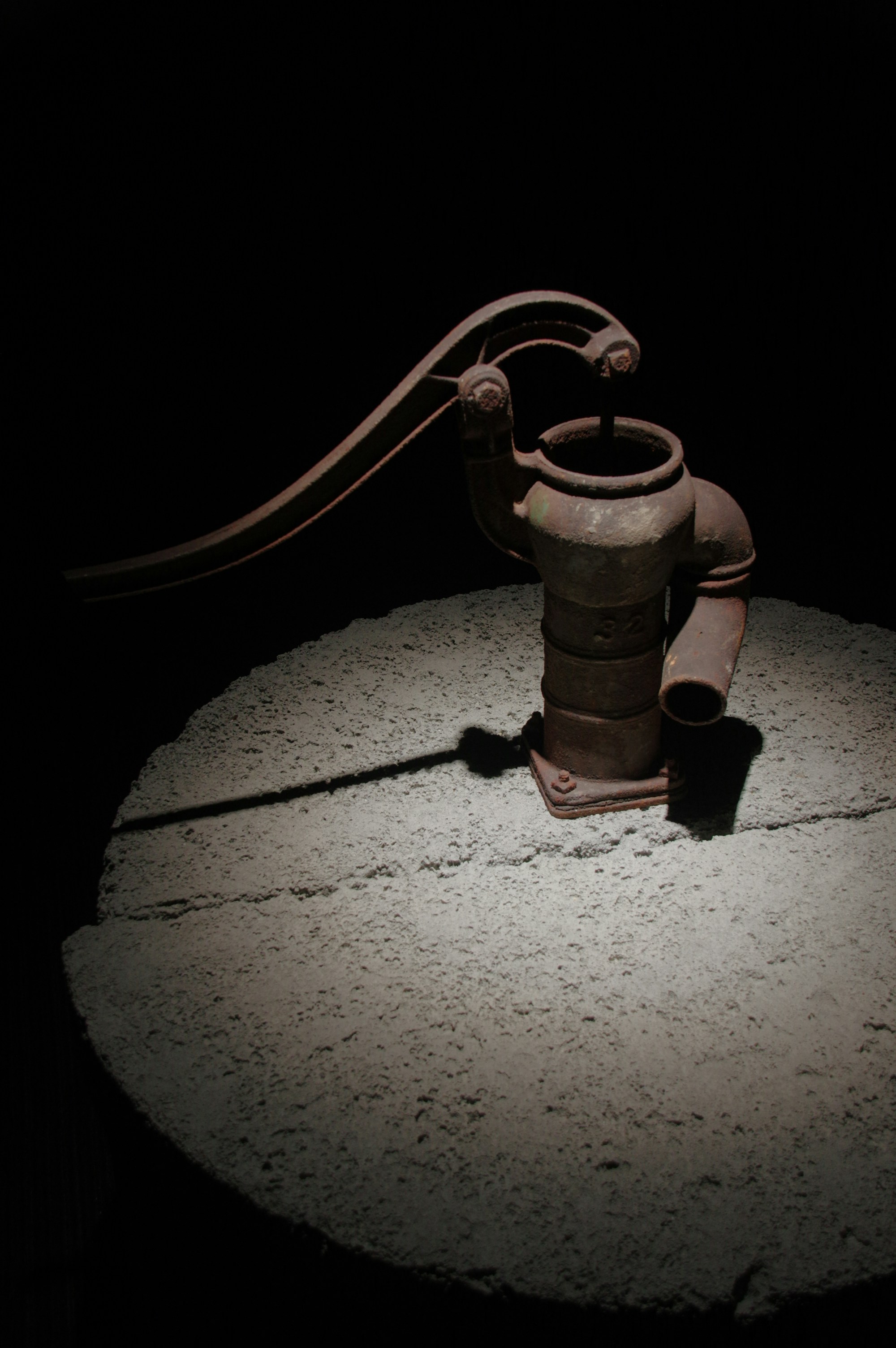
The Whatcom County adjudication shows how tangled the legal picture gets once a shared-well dispute moves past a neighborly conversation. Ecology has split well owners into three groups for the claims process: larger systems serving 15 or more connections, smaller Group B systems serving fewer, and small shared wells serving just a couple of households, each with different paperwork and different legal standards for proving how much water they’re entitled to keep drawing. Consultants working on the case have noted publicly that a small shared well can be operated just as carefully, and legally matter just as much, as a large municipal-style system, even though the households involved often have no formal well-sharing agreement on file anywhere. Well owners in the basin have until at least May 2026 to complete and return their claim forms once summons are issued, a deadline that effectively forces every shared-well household in the watershed to document, for the first time in many cases, exactly what their rights actually are.
What rural families are up against
Water law in most states follows some version of a priority system, where whoever established their water right first generally has a stronger claim during a shortage, regardless of how the well is currently being used. That framework was built for competing agricultural or commercial users, not two houses sharing a single pipe, and it leaves plenty of gray area for neighbors to disagree about, especially when nobody has a survey, a written agreement, or even a clear memory of who paid for the original well decades ago. Case law tracked by university-affiliated resources like the National Agricultural Law Center shows these disputes surfacing across the country, from the Southwest to the Pacific Northwest, almost always following the same arc: a dry season exposes an imbalance that had been tolerable for years, and what was once an informal understanding between neighbors becomes a formal legal question almost overnight. Similar shared-well conflicts have played out well beyond the Pacific Northwest, including in Texas, where groundwater fights among rural landowners have generated some of the state’s most closely watched water litigation, according to case summaries maintained by the Texas Water Resources Institute.
For families in the middle of an adjudication like Whatcom County’s, the process can stretch on for years, and the ruling that eventually comes down affects far more than the well itself. It can determine who is allowed to water a lawn, irrigate a garden, or even keep the taps running through a dry August, based on paperwork some households never knew they needed to keep. Rural real estate agents increasingly recommend that buyers request a written shared-well agreement before closing on any property that doesn’t have its own dedicated water source, precisely because so few older agreements exist in writing. Until courts finish sorting out cases like this one, the safest assumption for anyone on a shared well is that the arrangement is only as strong as the last conversation the neighbors had about it.
Leave a Reply