
Tracie and Myles Albert closed on a four-bedroom house in Riverside, California, on January 31, 2020. They had drained their savings and taken out a hard money loan to cover the seller’s demand for more than $500,000 in cash on short notice. Then they showed up for the keys. The previous owner was still living there, and he stayed for the next fifteen months while the Alberts kept paying the mortgage on a house they legally owned but couldn’t enter. Their eviction filing got swept into California’s pandemic moratorium on tenant removals, even though the sale had closed weeks before the public health emergency began. It took until April 2021 for the couple to get their locks changed and the former owner’s belongings out of the house, as CBS News Los Angeles reported.
The Alberts’ case became a cautionary tale because it dragged on so long, but the underlying problem it exposed is more common than most buyers assume, and it rarely makes the news because most disputes resolve in weeks rather than months. Real estate attorneys call it a holdover seller: someone who signs over the deed, collects the check, and simply doesn’t leave. Title companies and closing attorneys see enough of it that occupancy agreements have become a standard piece of paperwork in competitive markets, not an afterthought buyers negotiate only after something has already gone wrong.
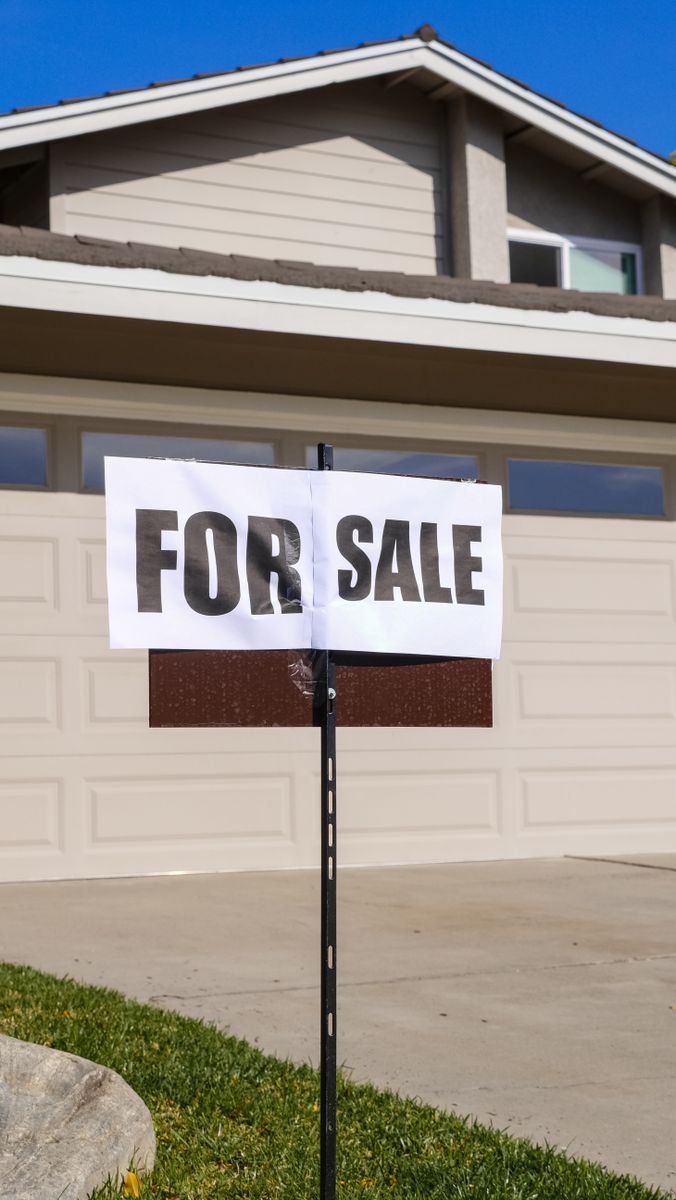
When “Sold” Doesn’t Mean “Vacant”
Once a deed records, the buyer owns the house even if the seller’s furniture is still in the living room. But ownership on paper doesn’t give a buyer the right to physically remove someone from a property, no matter how clear the contract is. Fox Business, reporting on the Albert case, quoted an eviction attorney who said he had at least seven similar cases on his desk at the same time, all involving sellers who stayed put after closing and forced buyers into landlord-tenant court to get them out.
That’s the mechanism that trips buyers up. A holdover seller isn’t treated as a trespasser who can be walked out by police. Legally, they occupy the same category as a tenant who won’t leave at the end of a lease, which means the buyer has to file what’s called an unlawful detainer action and let the court process play out. According to legal guidance published by FreeAdvice’s real estate law section, unlawful detainer statutes are designed to move faster than a standard eviction, typically bringing a case to trial within 45 to 60 days. Only after a judge rules for the buyer can law enforcement step in to physically remove the former owner. That’s normally the outer edge of how long a holdout can stall a move-in. The Alberts’ case stretched to fifteen months because a moratorium built for pandemic-hit renters got applied to a sale that had nothing to do with rent.
Why Sellers Stay
Not every holdover is a standoff. Plenty of sellers stay in the house for a few days or weeks with the buyer’s full knowledge, under a rent-back or post-closing occupancy agreement, because their next home isn’t ready or a school year hasn’t ended. Federal Title, a Washington, D.C.-area title and settlement company, explains that these arrangements typically cap the seller’s stay at 60 days past closing, require lender sign-off, and set a per diem rate covering the buyer’s principal, interest, taxes, insurance, and any HOA dues for every day the seller remains. The seller also puts down a security deposit, held by the title company rather than handed to the buyer directly, to cover any damage discovered once they’ve actually moved out.
Trouble starts when there’s no signed agreement and the seller decides after the fact that they aren’t ready to go. Attorneys who handle these disputes for law firms like Beier Law say the cleanest fix happens well before closing day: build a firm move-out date into the purchase contract, ideally a day or two ahead of closing rather than the same day, attach a daily financial penalty for every day the seller overstays, and spell out that the seller covers the buyer’s legal fees if it ends up in court. Some buyers go further and hold back a portion of the sale proceeds in escrow until they’ve confirmed they have actual possession of the house, keys in hand, nobody’s belongings still inside.
What Buyers Can Actually Do
The advice that keeps surfacing among real estate attorneys is to treat the final walkthrough as more than a formality. Buyers are urged to inspect the property within 24 hours of closing and delay signing if the seller clearly hasn’t started packing. Leverage before the deed transfers is enormous, since a buyer can simply refuse to close. It nearly disappears afterward, because the seller has been paid in full and the buyer’s only real recourse is the court system.
For buyers who do agree to let a seller stay past closing, the guidance is consistent across sources: get it in writing, put a hard end date on it, attach financial consequences for going past that date, and route the security deposit through the title company instead of trusting a handshake. It’s the same logic landlords use with tenants, applied to a person who, technically, isn’t a tenant at all until the moment the deed changes hands. The Alberts eventually got their house back, sold it rather than move in themselves, and by their own account never shook the anxiety of driving past a home that cost them fifteen months of mortgage payments before they ever got to unlock the front door.

Leave a Reply