
In a heart-wrenching tale that brings family dynamics and pet care to the forefront, a 24-year-old woman finds herself embroiled in a difficult situation regarding her sister’s emotional support dog. After taking her sister’s overweight poodle, which was supposed to aid in her mental health recovery, the woman faces backlash and guilt as she grapples with the decision to prioritize the dog’s well-being over her sister’s attachment.
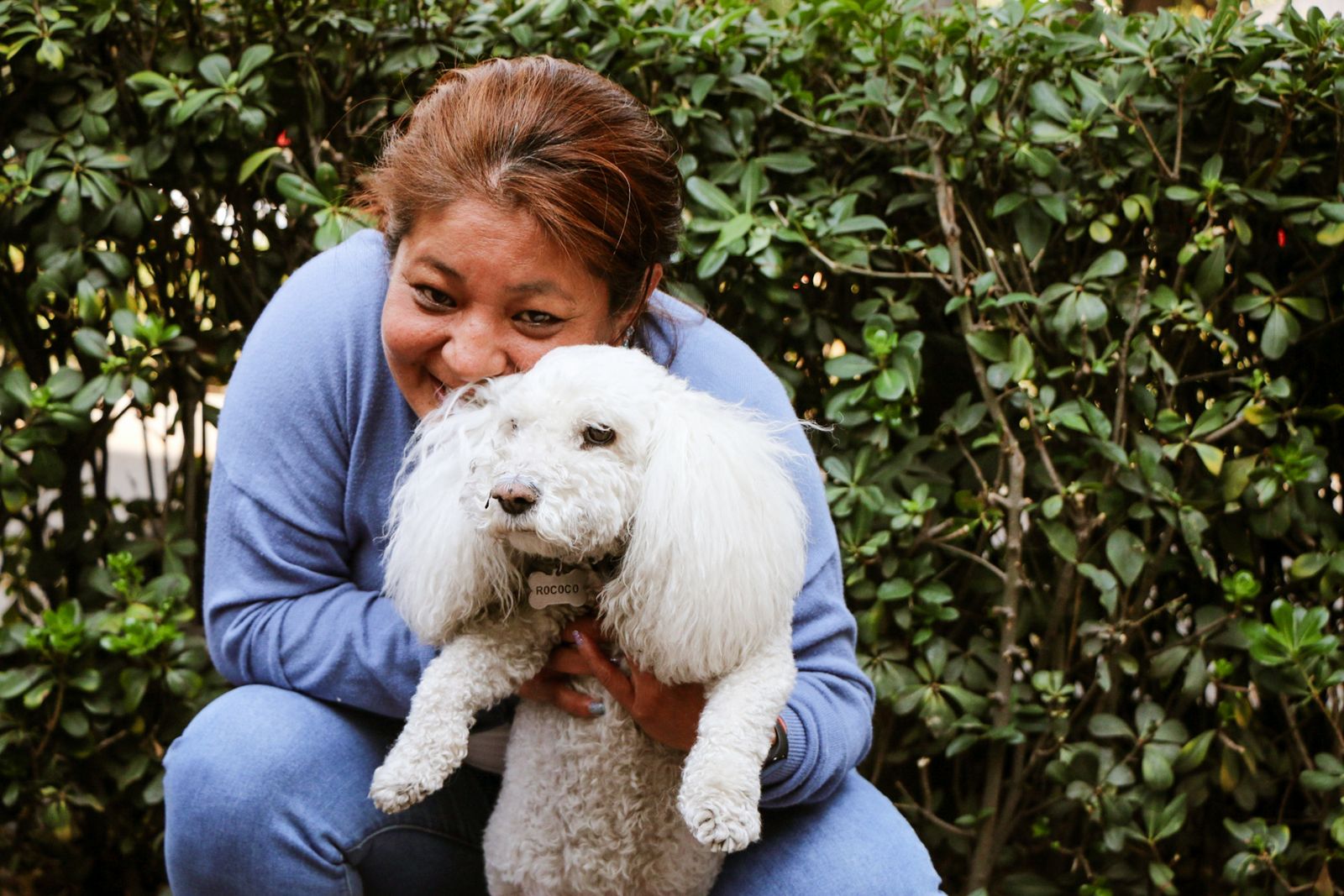
Two years ago, the woman’s family underwent a significant upheaval with the parents’ divorce, deeply affecting her 17-year-old sister, who was subsequently diagnosed with depression. Recognizing her sister’s struggles, the older sibling sought a solution to help. With the support of their mother, who is a part-time nurse, they decided to adopt a poodle as an emotional support companion. For a time, the dog appeared to have a positive impact on the sister, encouraging her to engage with the world more and take better care of herself.
However, during a visit home a year later, the older sibling noticed alarming changes in the dog’s health. The poodle had become severely overweight, prompting her to take action. After a visit to the vet, it was revealed that the dog needed a strict diet and regular exercise. The sister, however, reacted angrily to the decision to involve the vet and claimed that she would follow the recommended care. Yet when the older sibling returned home again after the semester, the dog’s condition had not improved. In fact, the vet confirmed that the sister had not returned for any follow-up appointments.
Frustrated by her sister’s disregard for the dog’s health, the older sibling decided to take the poodle to live with her and their father. The move was not just about the dog’s weight; it was also a response to what she perceived as neglect. Since the poodle’s relocation, the dog has started to shed pounds and regain its health, but the emotional toll on the sister has been severe. The younger sibling has been relentless in her attempts to reclaim her pet, resorting to constant phone calls and confrontational visits.
In an update on the situation, the older sibling shared that she had initially involved the neighbor to assist with dog care and that all parties had discussed responsibilities before adopting the dog. Yet, despite the well-laid plans, the younger sister failed to follow through on her commitments, leading to the current predicament. The older sibling is left pondering the balance between her sister’s emotional needs and the poodle’s health, stressing, “It’s my dog, why do you care?” as a painful reminder of the disconnect.
As the story circulated, readers reacted with a mix of support and criticism. Some understood the older sibling’s desire to protect the dog, emphasizing the importance of responsible pet ownership. Others were sympathetic towards the younger sister, recognizing the emotional bond she had formed with her dog, which was intended to aid her recovery from depression. Several commenters pointed out the complexity of the situation, noting that while the dog had become integral to the sister’s coping mechanism, its health had to take precedence.
Comments largely centered on the nuances of the relationship dynamics at play. While many condemned the sister’s lack of follow-through in caring for the dog, others expressed concern over the long-term impact that separation from her emotional support dog could have on the younger sister’s mental health. The debate also highlighted the challenges of navigating family responsibilities, especially when mental health is involved.
As the older sibling continues to reflect on her decision, the emotional stakes remain high. She struggles with the knowledge that, while she may be saving the dog’s health, the bond between her sister and the poodle has been irreparably altered. The tension between caring for a beloved pet and supporting a sibling in distress paints a complicated picture of love, responsibility, and the need for communication that remains unresolved.
More from Willow and Hearth:
Leave a Reply