
The starter home, once the default entry point into homeownership, has all but disappeared from what builders actually put up each year. Construction of new entry-level, smaller-footprint homes has fallen to a fraction of the pace it once ran at decades ago, and builders themselves say the underlying economics simply stopped making sense.
Why Builders Stopped Building Small
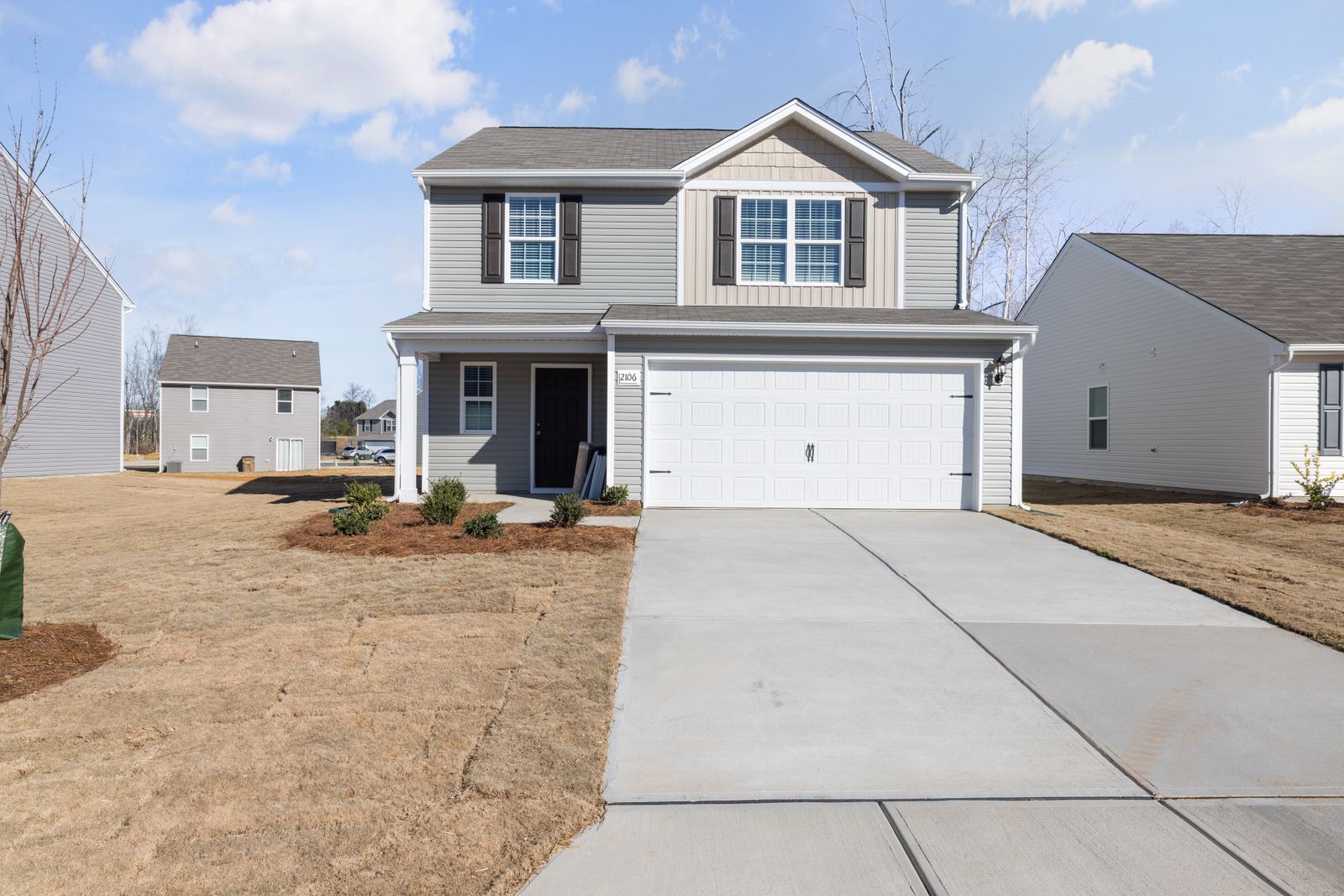
Land costs, labor costs and material costs have all climbed over the past several decades, but largely as fixed or semi-fixed costs per project regardless of the home’s final size — meaning a builder’s profit margin on a smaller, less expensive home has been squeezed far harder than the margin on a larger, higher-priced one built on the same parcel with many of the same fixed costs. Faced with that math, builders have systematically shifted toward larger, higher-margin homes, even in markets with clear demand for smaller and cheaper starter product.
The Regulatory Layer Making Small Homes Harder
Zoning requirements in many municipalities compound the problem, with minimum lot sizes, parking requirements, and other land-use rules that make it difficult or impossible to build the small, dense, entry-level housing that once characterized starter-home neighborhoods. A builder constrained to a large minimum lot size has little economic incentive to put a modest home on it when the same lot could support a considerably larger, more profitable one instead.
What This Has Done to the Existing Starter Home Stock
With new construction skewed toward larger and pricier homes, the existing supply of genuine starter homes — smaller, older homes built decades ago under different economic conditions — has become increasingly precious and increasingly expensive as a shrinking pool of buyers compete for a shrinking pool of available entry-level properties. That dynamic has pushed starter home prices up even as overall housing market conditions have cooled in other segments, since demand for the cheapest available homes has nowhere else to go.
Why This Is Unlikely to Reverse on Its Own
Homebuilder trade groups have flagged the imbalance for years, but changing it would require builders to accept structurally lower margins on a category of home the market has made increasingly unprofitable to construct — a shift unlikely to happen without meaningful policy intervention on zoning, permitting costs, or direct incentives specifically targeted at entry-level construction. Until something changes on that front, the traditional starter home is likely to remain a shrinking, aging category of the housing stock rather than a renewable one that continues to open its doors to each new generation of first-time buyers the way it once did.
Leave a Reply