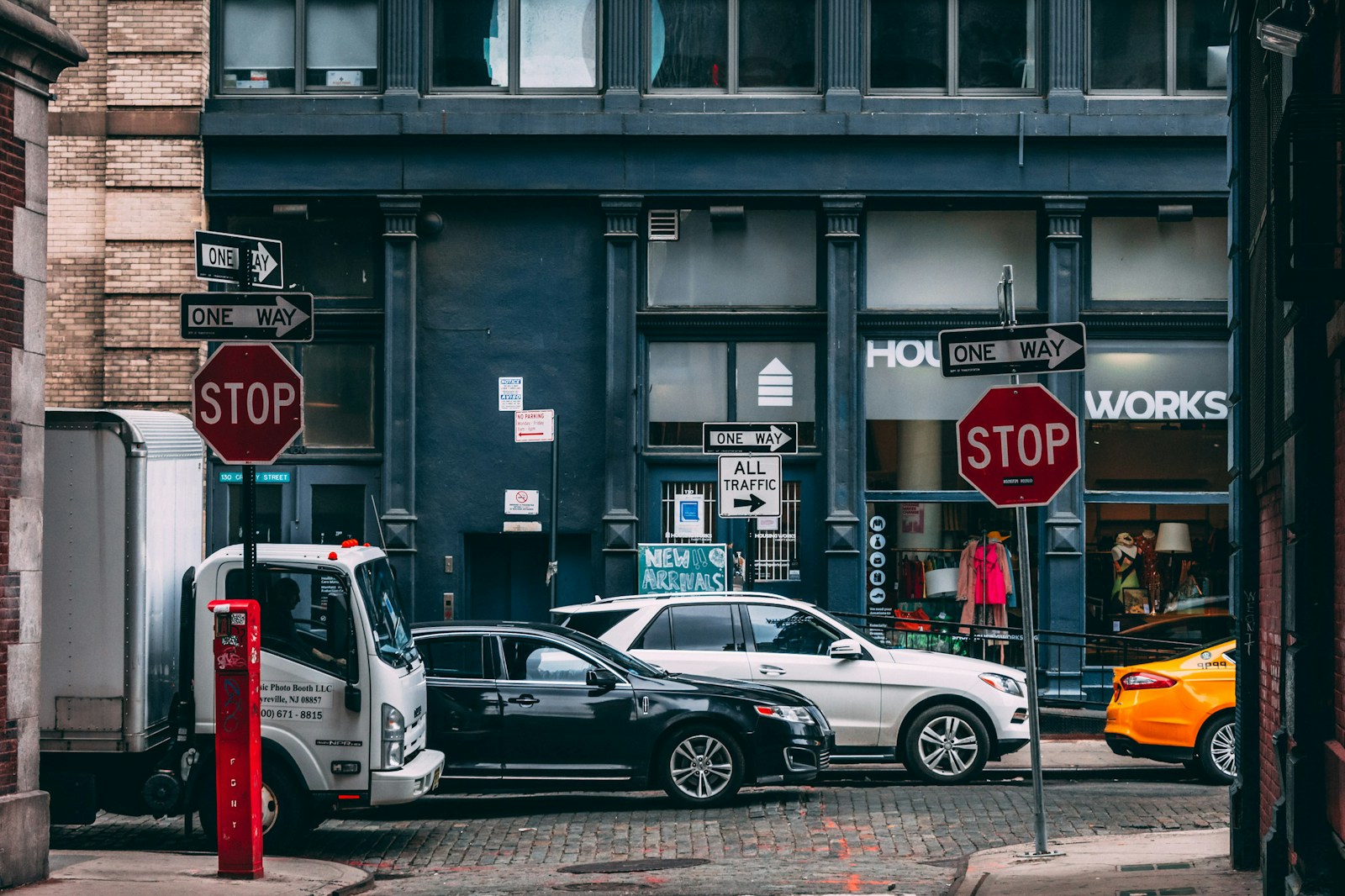
In an unsettling brush with neighborly hostility, a summer tenant found themselves facing a disturbing parking predicament. After receiving an aggressive note warning them against parking near their neighbors’ home, the tenant is left questioning the legality of public street parking and the motivations behind such a confrontational message.
The tenant, who has been living in the area since June, initially enjoyed a friendly rapport with the neighbors around them. However, that goodwill quickly soured when they stepped outside one morning to discover a scathing note tucked under their windshield wipers. The note, addressing the tenant directly, demanded that they cease parking in front of the complainant’s house and alleged that they were consistently blocking the neighbor’s driveway. According to the tenant, neither claim holds water.
With no allocated parking for their rental unit, the tenant has relied on street parking, which is commonly available in this residential area. They shared that other cars frequently fill the street, and sometimes the only viable option is to park in front of the very house that issued the warning. The note escalated from a passive-aggressive complaint to a more threatening tone, stating that the neighbors would resort to having the tenant’s car towed and ticketed if they parked there again. This ultimatum left the tenant both bewildered and apprehensive about potential retaliatory actions.
Feeling cornered in a situation that seems unjust, the tenant expressed concern over the legality of a neighbor’s right to threaten towing on a public road. Given that they are not obstructing anyone’s driveway—an assertion the tenant was eager to clarify—the situation feels increasingly frustrating. In a moment of exasperation, the tenant pondered whether the neighbor believes the public street transforms into their private property simply because they are annoyed by where someone else parks.
As the story circulated among readers, reactions varied but largely centered on the absurdity of the neighbor’s demands. Many expressed disbelief that someone would go to such lengths over a public parking space, considering how common street parking is in residential neighborhoods. The potential for confrontations over what should be a communal area hit a nerve with those who have experienced similar disputes.
While some commenters pointed towards legal insights about street parking rights, focusing on local ordinances that dictate such matters, others, too, shared their own experiences with unreasonable neighbors. The sentiment largely echoed that the tenant was within their rights to park where they were without impeding traffic or access—a universal truth that seemed lost on the disgruntled neighbors.
Ultimately, the poster remains on edge, concerned not just about the feasibility of parking but the implications of living next door to someone who may resort to petty measures. The psychological toll of such neighborhood conflicts is a sign of how quickly harmony can collapse over trivial matters.
More from Willow and Hearth:
Leave a Reply