For years, homeowners in one Hillsborough County, Florida, neighborhood have had fences around their backyards. Every one of those fences was approved by the homeowners’ association.
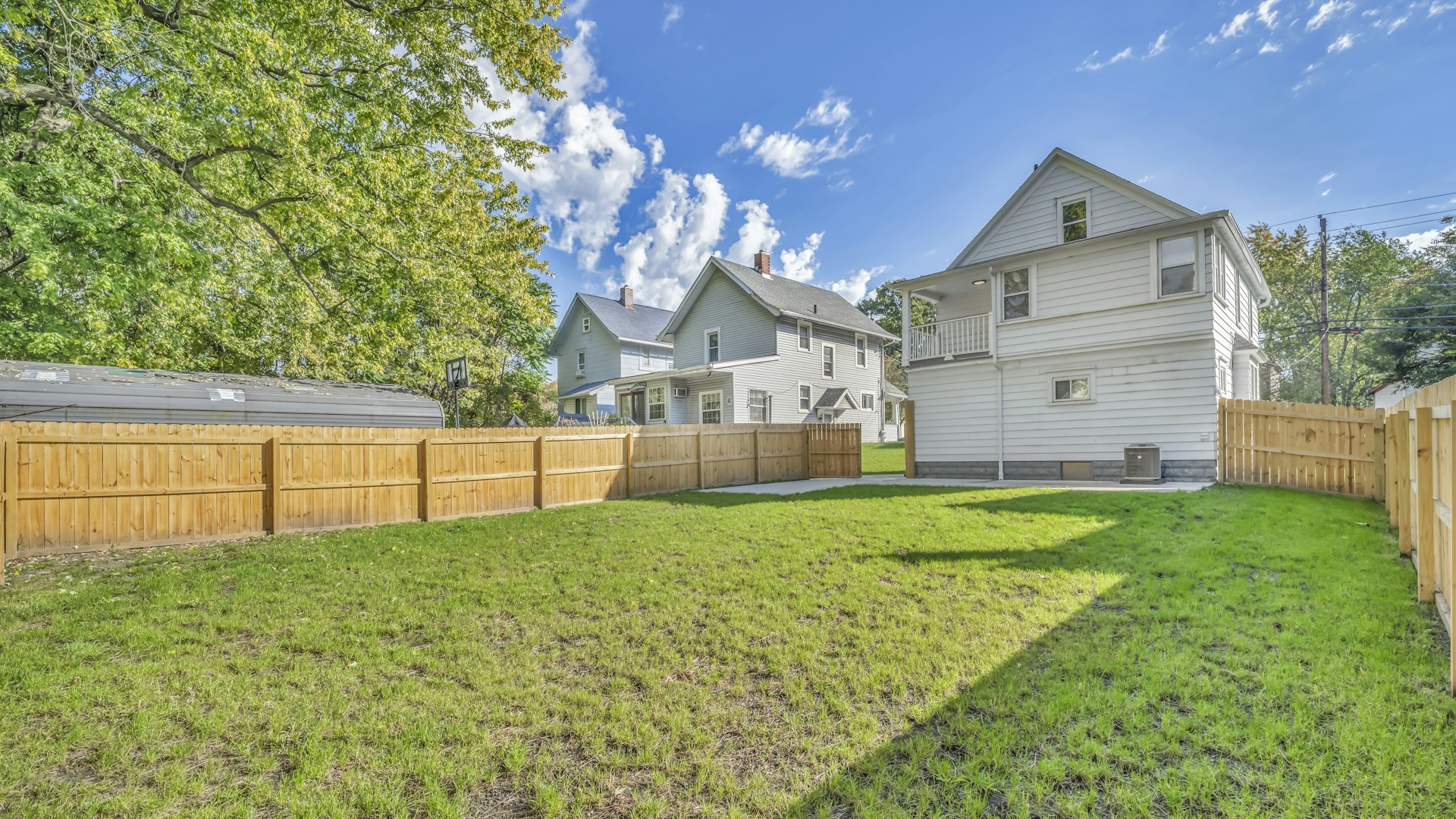
Now a different organization, one with government powers, says some of them are blocking drainage easements and have to come down at the owners’ expense.
Tampa Bay 28 (WFTS) reported the dispute in an I-Team investigation, “HOA said yes, but the CDD says no”, from the Sun City Center community. Residents are caught between the permission they were given and the easement rights now being claimed.
“We’re Here To Take Your Fence Down,” A Stranger Told Him At The Door
Christopher Delgado says he learned last month that part of his rental home’s backyard fence has to go. He heard commotion outside, and then a knock.
“Guy came knocking on the door and said, ‘Hey, we’re here to take your fence down,’” Delgado said.
He turned the crew away from the yard, and so did his next-door neighbor, disabled veteran Laura Burns-Sierra. “I didn’t let them onto my property. I called the cops and they don’t have a court order,” she said.
Even so, neighbors in the community have been told the fences must come down later this month.
One Neighbor Lost 15.5 Feet Of Yard And Paid $1,000 To Move His Fence
Victor Abreu has already felt the squeeze. “They made us put a fence right in the corner of the house. So we lost like 15.5 feet of the property. We already did our fence, you know, we had no choice,” he said.
He says he paid a contractor $1,000 to move the fence, losing plants and bushes and affecting his irrigation system. He recalled that it was “$625 to bring down the fence.”
Other neighbors have also complied, while Burns-Sierra and others hold out hope the district can find another way to reach the pond.
“Nobody Knew About That,” Says The Homeowner Who Asked Permission First
What stings Abreu most is that he did what he thought he was supposed to do: he asked the HOA for permission before building. When asked whether he knew about community development districts, known as CDDs, he said he knew they existed but not the regulations.
“As far as the regulations that they said that we should have known about, nobody knew about that,” Abreu said. “It should have been mentioned to us.”
Burns-Sierra says the HOA approved her fence in 2021 and never told her the CDD could make her take it down. “At the CDD meeting they said that the HOA had no authority to approve those fences,” she said.
A Nearly $8,000 Fence, Paid Off Over Two Years On A Store Card
For Burns-Sierra, the fence was a significant investment. She says it cost nearly $8,000, which she charged to her Home Depot credit card and paid off over two years.
Now she is facing the prospect of tearing it down. “They’re acting like the big boss in town, and everybody’s upset, but what can we do?” she said.
Asked what she would tell the CDD board, she said: “I would tell them to respect our wishes, not to make decisions without talking about how it’s gonna affect us as a community.”
Why Two Different Bodies Can Give Opposite Answers
Attorney Jonathan Ellis, who represents homeowners’ associations but has no involvement in this dispute, explained the split. “A CDD is actually, believe it or not, a governmental entity. They have elections,” he said.
CDDs can enforce policies for district-owned common areas, including clubhouses, parking lots, roads and, in this case, easements. HOAs, by contrast, create and enforce rules for private property. Here, the HOA approved fences based on guidelines for materials, size and color.
“If you want to put a fence on a drainage easement, the association may not be objecting to you doing that, but that doesn’t mean the CDD is not objecting or is consenting,” Ellis said.
In the Cypress Mill neighborhood, adjoining 15-foot drainage easements on each affected lot run along the property, from the road to the pond.
The District Says A New Maintenance Crew Needs Access To The Pond
Letters sent to homeowners say the fence “prevents the district’s pond maintenance vendor from accessing the adjacent stormwater pond for necessary maintenance.”
Burns-Sierra read from her letter: “It has come to the district’s attention that the easement area is presently being obstructed by a fence on your property.”
She says the district hired a new maintenance team that wants to haul a truck through with a boat to drop in the ponds for cleaning. Abreu, meanwhile, provided photos showing a previous contractor maintaining the pond by boat, reaching it from elsewhere.
Ellis said time can matter in a dispute like this. He pointed to arguments about whether the fence was open and notorious, whether the district knew about it, and whether the owner relied on years of district silence, while noting the CDD “may only be asserting its rights when it needs to.”
The Cypress Mill Community Development District declined an interview request but sent a full statement to the station.
Before You Build, Check Who Else Holds Rights To Your Yard
Ellis offered a warning for anyone living under both an HOA and a CDD. “An average unit owner may not even recognize these are two different, separate, and distinct entities,” he said.
Before putting up a fence, pool or other improvement near an easement, homeowners may need to find out not only whether their HOA approves it, but whether another entity has rights over that part of the property. Here is a practical checklist.
- Pull your plat or survey and look for marked easements, especially drainage easements near ponds or ditches.
- Ask your HOA in writing whether any other body, such as a CDD or utility, holds rights over your lot.
- Call the district or local government before you sign a contractor’s quote.
- Keep copies of every approval letter, with dates, in case a later dispute arises.
- If you are told to remove something, ask for the request in writing and ask about a court order before you let a crew onto your property.
Approval from one office is not the same as clearance from every office. A little paperwork before the first post goes in the ground can save thousands, and a lot of heartache, down the road.
More Stories You May Like
- Upstate New York Gardeners Say A Brutal Last Winter Taught Them Some Favorite Plants Need Extra Help And Share Their Fall To Do List Before The Cold Hits
- Couple Wins an 1830s Stone House at Auction After the Husband Smiles at the Auctioneer, Who Takes It as a Bid and Says Sold, Leaving Them Twenty Thousand Dollars Over Budget
- Skipping Primer Buying Cheap Rollers And Painting Without A Sample Patch Is How Homeowners Pay For The Same Wall Twice And The Fixes Are Easy
Leave a Reply