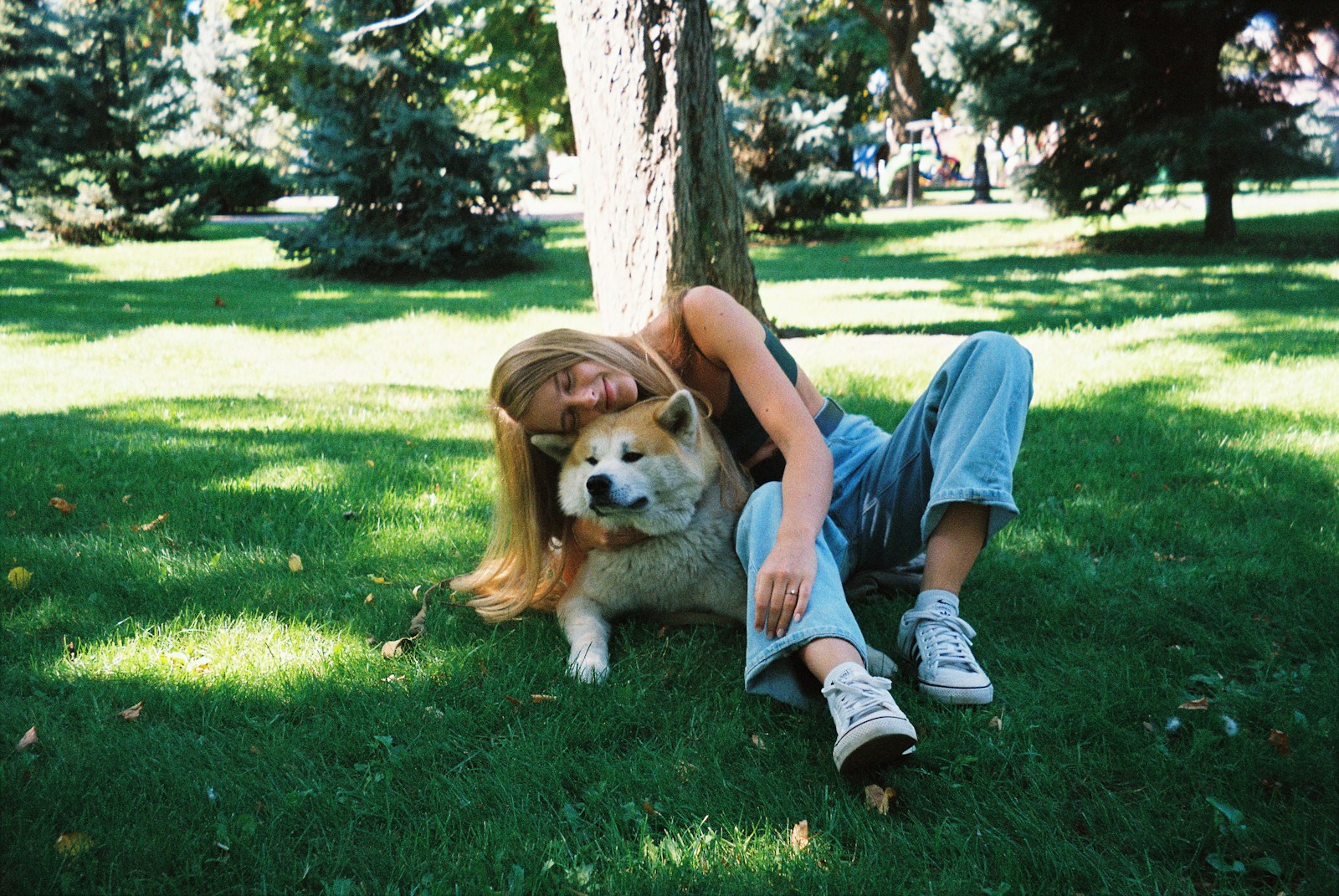
When faced with challenging family dynamics, the importance of support systems, particularly for those with mental health needs, cannot be understated. For one teen, her service dog was more than just a pet; it was a crucial lifeline that kept her grounded during a high-pressure family gathering. Yet, her experience at this gathering has ignited an emotional firestorm that raises questions about understanding, respect, and unconditional support within family units.

The story began when the teen attended a family dinner, filled with relatives whom she felt should have recognized the significance of her service dog. As someone who relies on this specially trained dog to navigate the challenges that come with anxiety and overwhelming social situations, the teen expected her family to show understanding. However, she was met with skepticism and dismissive attitudes that left her feeling isolated.
Despite the teen’s best efforts to lean on her service dog for emotional support, several family members viewed the presence of the dog as a distraction. This lack of acknowledgment regarding the important role of the service animal not only exacerbated her anxiety but also sparked feelings of frustration and anger. It was as if her needs were being trivialized in an environment that should have been safe and understanding.
In her heartfelt account shared online, the teen expressed her dismay over her relatives treating her service dog as an inconvenience rather than a necessary tool. “I felt like I was melting down while everyone else treated my dog like just another pet,” she wrote. This sentiment resonates with many who rely on service animals for emotional support. The bond between a service dog and its handler transcends the ordinary; it’s about trust and reliance during times of distress.
The teen’s frustrations highlight a larger societal issue: the lack of understanding regarding service animals and their owners’ needs. For many individuals, service dogs are not merely companions but are integral to their well-being. They provide stability, comfort, and an anchor during overwhelming moments. The responsibility of educating others about this dynamic often falls to the individuals themselves, which can be an extra emotional burden amidst already difficult family interactions.
Additionally, the teen’s experience underscores the challenges many face when navigating boundaries with family members who may not fully appreciate or respect their needs. In her case, the family dinner setting amplified feelings of judgment and misunderstanding, leading to awkward conversations and strained interactions. Her desire for the family to rally around her and her service dog went unmet, leaving her feeling more vulnerable than ever.
This incident serves as a reminder that while families may come together to celebrate, they also need to come together to support one another. The presence of a service dog should be seen as a positive force—a source of strength rather than a distraction. Families should foster an environment where individuals feel safe to express their needs and where their coping mechanisms are recognized and respected.
As families navigate their unique dynamics, it’s crucial for them to cultivate a culture of understanding and acceptance. Education about the roles and importance of service dogs can be beneficial for everyone involved. Open discussions about mental health and the support systems that individuals need can also create a more inclusive atmosphere, where everyone feels valued and acknowledged.
In the end, the teen’s story is a poignant reminder of the delicate balance of family relationships and the importance of recognizing individual needs. When relatives dismiss or minimize someone’s emotional tools, it can have lasting impacts on both the individual and the family unit as a whole. The hope is that through sharing stories like hers, greater awareness and compassion will prevail, allowing those with service animals to feel the support they genuinely need during challenging times.
More from Willow and Hearth:
Leave a Reply