In Atlanta, Georgia, a tenant recently faced a troubling situation upon returning home from a long day at work. Expecting to unwind and relax, they were instead greeted by a shocking scene: water dripping from the ceiling, visible damage to the walls, and an eerie absence of power. To make matters worse, industrial fans and dehumidifiers had been hastily set up in their apartment, but any explanation for the chaos was noticeably missing. The management of the apartment complex never reached out to the tenant, leaving them frustrated and confused.
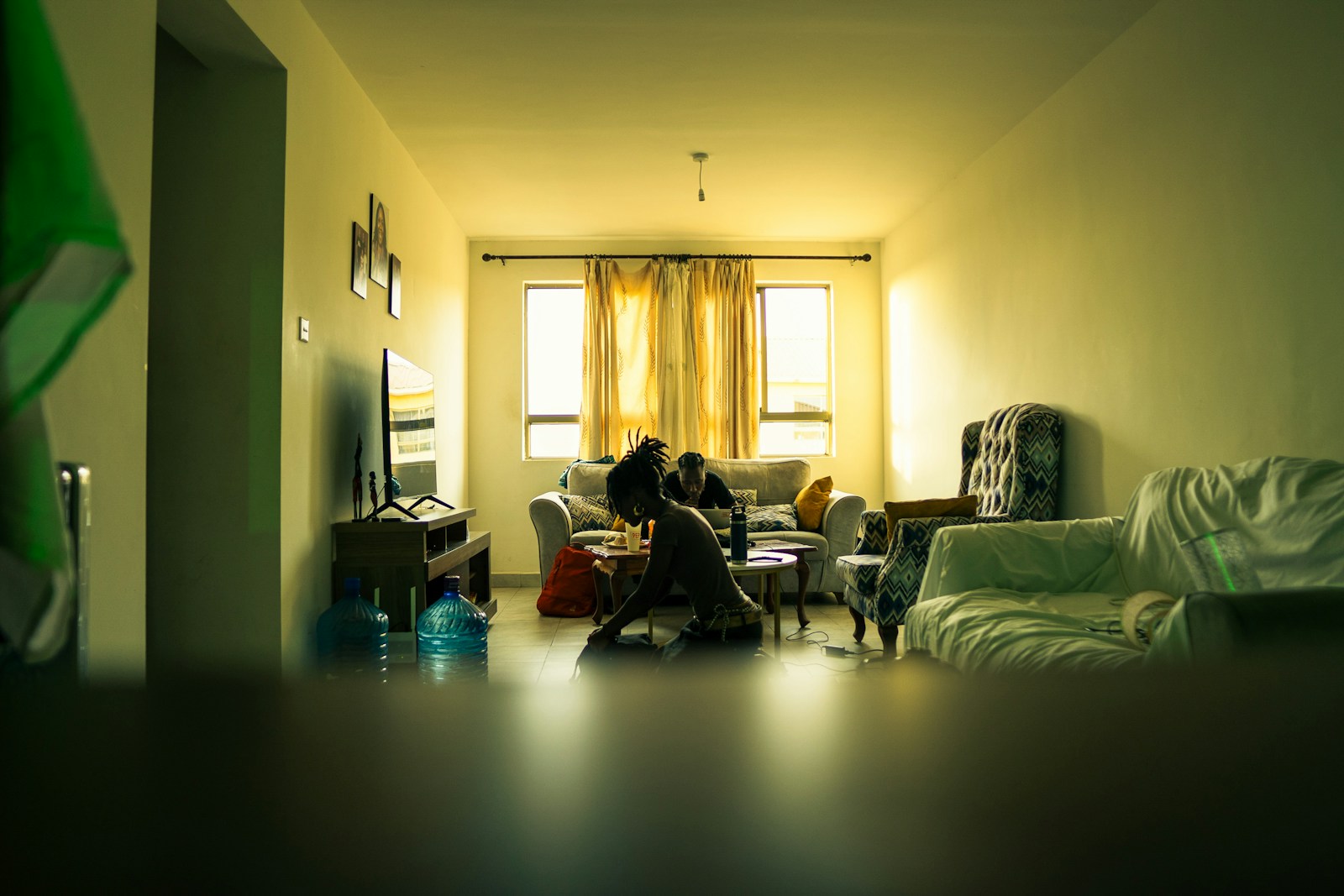
On arrival, the tenant discovered water streaming from the ceiling, pooling on their belongings, with the unmistakable signs of water damage present throughout the living space. To add to the distress, they found that all power was cut off. After attempting to contact the emergency maintenance line, they were met with silence—calls went unanswered, and a voicemail left in hopes of receiving guidance yielded no response. This lack of communication from the management only added to their growing anxiety.
While navigating this difficult situation, the tenant serendipitously encountered a maintenance worker in the hallway. After explaining the predicament, the worker assured them that help was on the way. Not long after, a third-party restoration crew arrived. They knocked on the tenant’s door and explained that a sprinkler had burst in the unit above, causing the extensive water damage and necessitating the placement of large industrial fans and dehumidifiers. The crew advised the tenant that the machines would be loud and disruptive and suggested they find alternative accommodation if possible.
Despite the intervention of the restoration crew, the apartment complex remained conspicuously absent from the earlier stages of crisis management. No one from the management team had bothered to reach out to the tenant with any updates or reassurance. In desperation, the tenant opted to stay with their sister, unsure of how long the repairs would take and what the future of their apartment would hold. The feeling of being neglected during such a significant crisis was palpable.
Upon returning to their apartment the next day, the tenant was met with a noisy scene dominated by industrial fans and dehumidifiers, which did little to comfort the situation. Attempting to further address the chaos, the tenant called the office around 4 PM, hoping to receive some form of communication or support. Once again, they were met with silence—no answer and no follow-up regarding their urgent situation.
This troubling scenario raises important questions for tenants everywhere about their rights and expectations when faced with emergencies. In many areas, landlords and property managers are required to respond promptly to maintenance emergencies that could impact tenants’ living conditions. Understanding these rights can empower tenants who find themselves in similar situations. Legal guidelines often stipulate that landlords must ensure the habitability of their properties, providing safe and functioning habitats for all residents.
In the wake of this unresolved crisis, the tenant pondered what steps to take next. Possessing photographs of the damage and documentation of the lack of communication, they planned to draft a formal email to the apartment complex. Inquiries about potential compensation for temporary housing, repairs, and damages incurred would be a priority. Consulting with other tenants or online forums could provide insights into similar experiences, guiding the tenant on how best to articulate their concerns and demands.
While it may seem daunting, taking action and advocating for oneself in these circumstances is crucial. Whether it’s seeking reimbursement for hotel expenses or requesting updates on repair timelines, it is the tenant’s right to be informed and supported during such distressing events. Sharing their experience online may also shed light on similar issues, creating a community of support and guidance.
As tenants navigate the complexities of apartment living, it’s essential to remember that communication and accountability from property management can significantly affect the quality of life they experience. This incident may serve as a reminder for property management teams to prioritize timely responses and clear communication in the event of emergencies.
More from Willow and Hearth:
Leave a Reply